- Authentic, mana whenua-led cultural tourism is a powerful and sustainable economic development tool for rural Māori communities.
- Chinese visitors have a deep appetite for genuine Māori cultural experiences — far beyond what many operators assume.
- Eastern Bridge’s role as a cultural intermediary and facilitator — not a tour operator — was critical to the programme’s integrity and success.
- The most impactful experiences are participatory, not performative: visitors want to be guests, not spectators.
- An iterative, two-visit pilot model is the most effective way to co-design a programme that works for both hosts and visitors.
Beyond the Postcard: The Case for Authentic Cultural Tourism
The global appetite for authentic cultural tourism has never been stronger. Modern travellers — particularly from China, now one of New Zealand’s most significant visitor markets — are increasingly seeking immersive experiences that go beyond superficial sightseeing. They want genuine connection, stories with depth, and an understanding of the places and people they visit. In 2024, Tourism New Zealand reported that 250,000 Chinese visitors arrived in the country, with 68 percent travelling for holiday purposes, and Māori culture consistently ranked among the top experiences sought by visitors from Asia.
For Māori, this presents both a significant opportunity and a significant responsibility. The opportunity is to share te ao Māori — the Māori world — on their own terms, creating economic value for their communities while preserving and revitalising their culture. The responsibility is to do so in a way that is authentic, mana-enhancing, and sustainable.
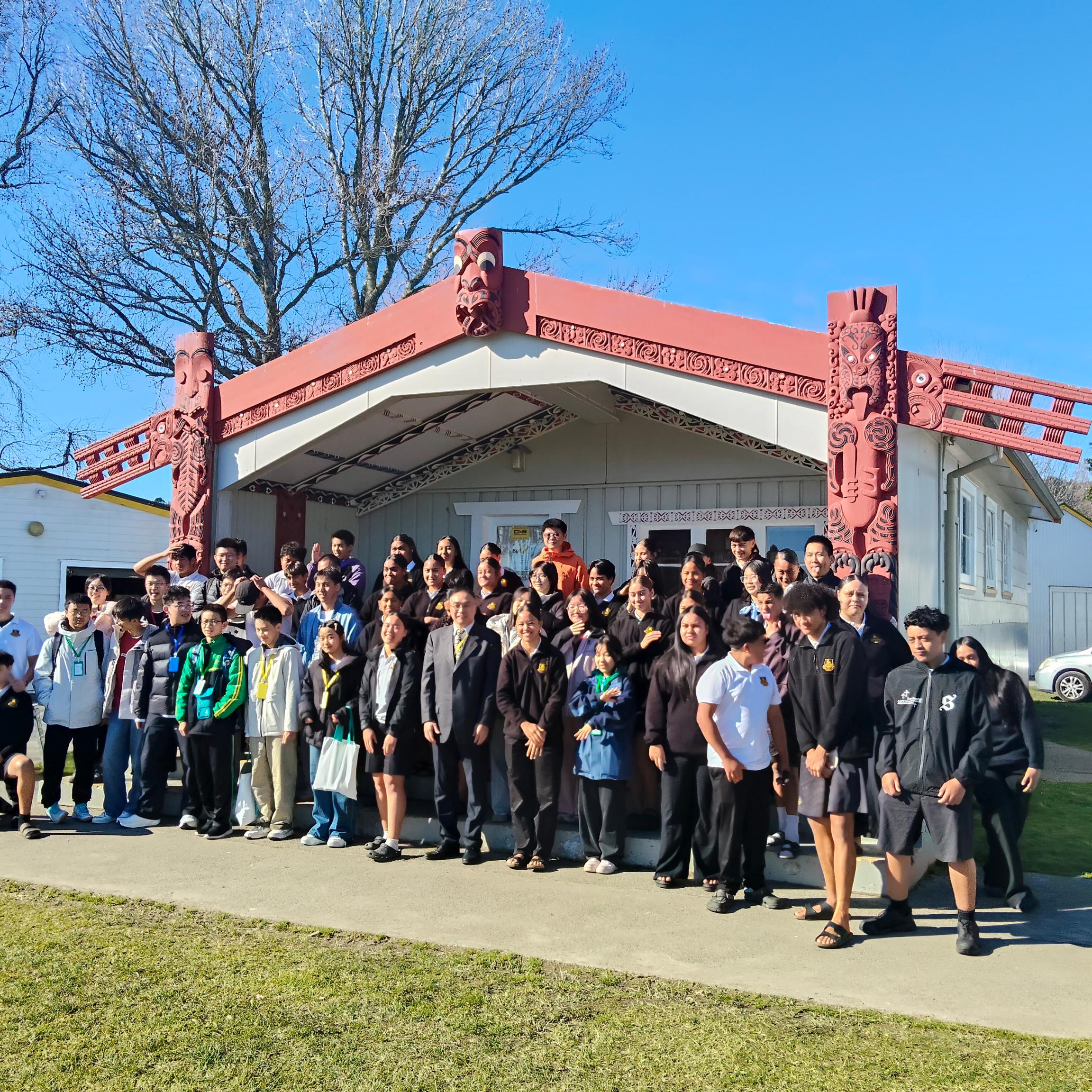
Chinese visitors and Māori hosts sharing space at the marae — a meeting of two cultures built on mutual respect, curiosity, and genuine hospitality.
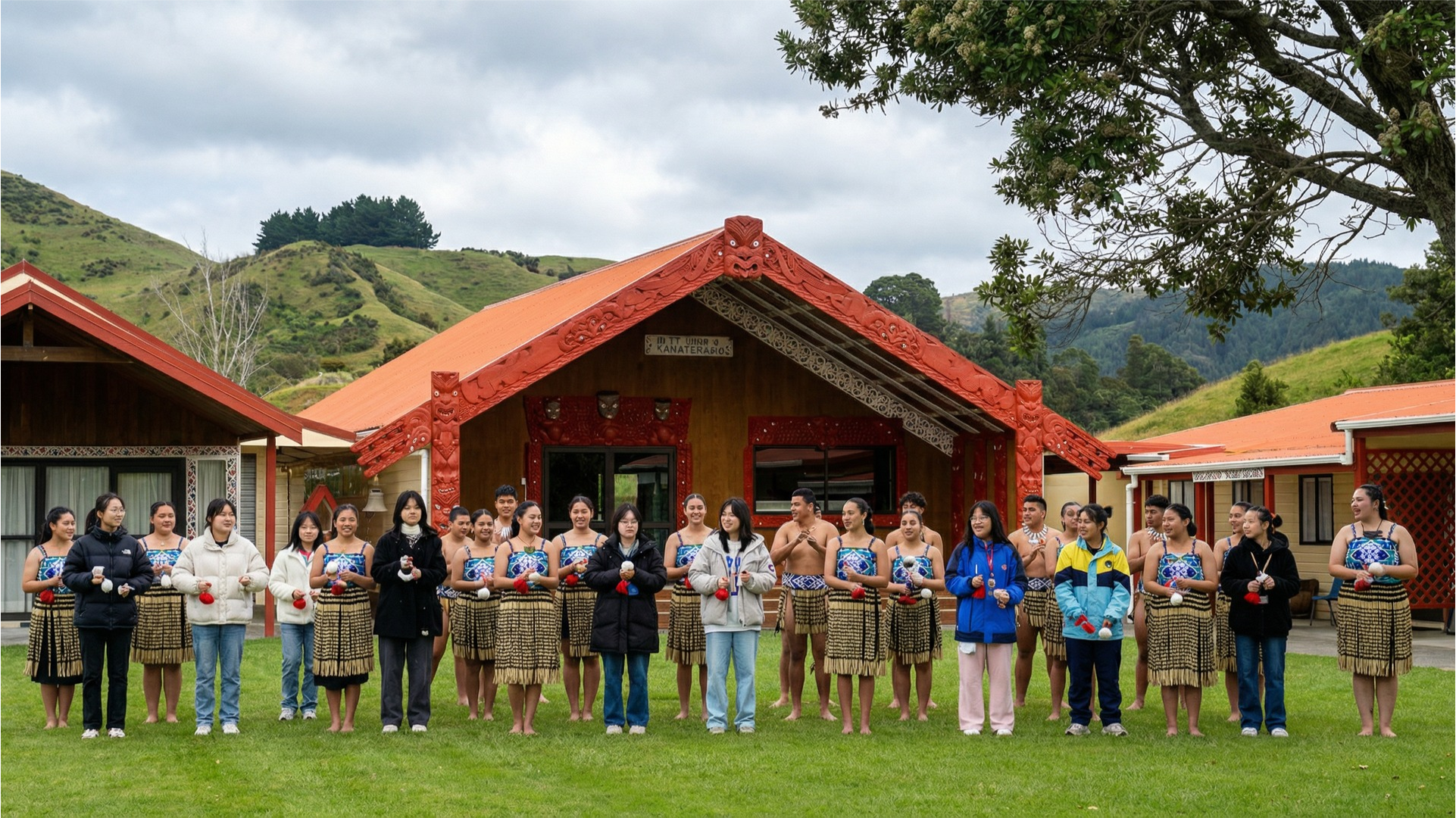
The Eastern Bay of Plenty sits at the heart of this opportunity. The region is home to the Te Üpokorehe hapū, a subtribe of the Whakatōhea iwi, whose ancestral connections to the land and to Ōhiwa Harbour — one of New Zealand’s most ecologically significant estuaries — stretch back across generations. Kutarere Marae, located approximately 18 kilometres west of Ōpōtiki, is the cultural and spiritual heart of the Te Üpokorehe community. It is a place of deep history, living tradition, and extraordinary natural beauty.
Yet for all its richness, the Eastern Bay of Plenty has historically been bypassed by mainstream tourism. The region’s communities face significant economic challenges, with limited employment opportunities and a heavy reliance on primary industries. The question facing the community and its partners was whether cultural tourism could provide a meaningful, sustainable, and dignified economic pathway — one that strengthened rather than commodified Māori culture.
The answer, this case study argues, is a resounding yes. But only if it is done right.
Four Challenges That Had to Be Solved
Developing a world-class cultural tourism programme in a small, rural Māori community requires navigating a set of interconnected challenges that are rarely encountered in conventional tourism development. The Kutarere project was no exception. Four core challenges had to be addressed before a viable programme could be designed.
How could the community create a programme that was genuinely true to Māori values and tikanga, while also meeting the expectations of international visitors and generating sustainable revenue? The risk of cultural dilution — of creating a “performance” rather than an experience — was ever-present.
Hosting international groups of 40–50 people requires significant logistical capacity: catering, accommodation coordination, transport, interpretation, and cultural facilitation. Building this capacity within a small rural community, while ensuring the experience remained community-led, was a substantial undertaking.
Connecting with the Chinese visitor market — particularly the high-value segment of delegations, educational groups, and cultural travellers from Jiangxi Province — required deep relationships and cultural knowledge that the community did not have in-house. A trusted intermediary with established China networks was essential.
Creating a genuinely two-way cultural exchange — rather than a one-directional “show” — required skilled interpretation, cultural briefing, and the careful management of expectations on both sides. The language barrier was real, but the cultural distance was even greater.
“We, their first cultural contact as Māori hosts, felt very privileged on behalf of our whānau, our rohe of Mataatua and Aotearoa. When they sang back to us it was Auld Lang Syne in Chinese — showing that just like us, they can make use of a good tune when they hear it.”
Victor Hape, Spokeswoman, Kutarere Marae — on the first pilot visitFacilitator, Not Director: How Eastern Bridge Shaped the Programme
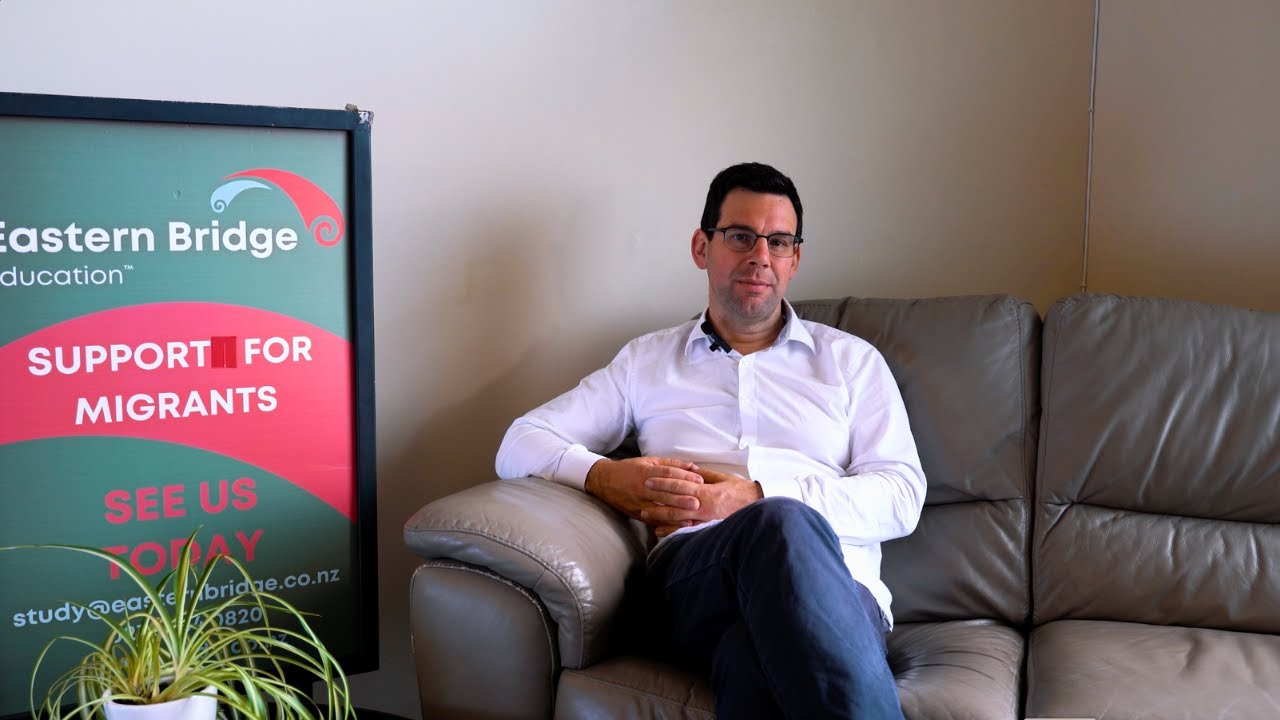
Eastern Bridge’s involvement in this project was not that of a tour operator or a programme manager. It was that of a cultural intermediary — an organisation with deep roots in both New Zealand and China, and a long track record of building relationships that generate genuine, lasting value for communities on both sides of the Pacific.
The foundation for this work was laid in 2019, when Eastern Bridge CEO Simon Appleton worked alongside the three Eastern Bay of Plenty district councils to formalise a Sister Province relationship between the Eastern Bay and Jiangxi Province. That relationship — signed in Nanchang by the Mayors of Whakatāne, Ōpōtiki, and Kawerau — created the diplomatic and institutional framework within which the cultural tourism programme could be developed.
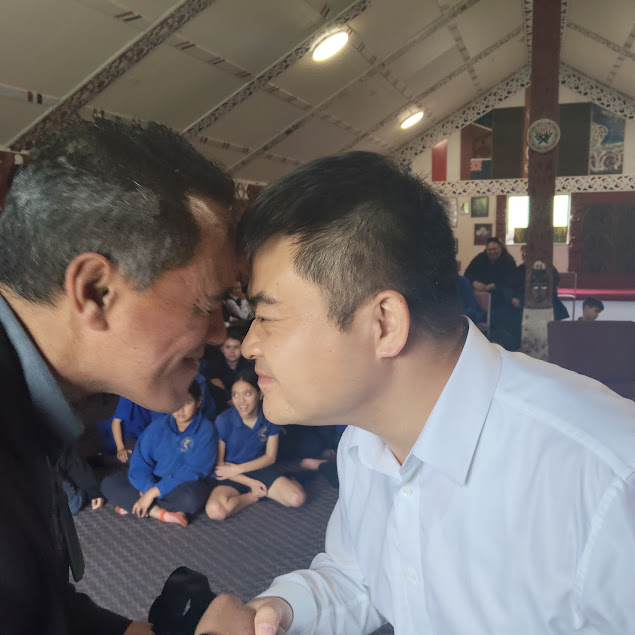
The hongi — the traditional Māori greeting of pressing noses and foreheads together — was a powerful moment of genuine connection between the Jiangxi delegation and Te Üpokorehe hosts at Kutarere Marae.
Eastern Bridge’s specific contributions to the programme included: identifying and securing the Jiangxi delegations; providing full Mandarin interpretation throughout the visit; briefing both hosts and visitors on cultural protocols and expectations; coordinating the logistics of the 7-day itinerary across multiple Eastern Bay locations; and facilitating the post-visit feedback process that informed the design of subsequent visits.
Critically, Eastern Bridge did not design the cultural content of the programme. That was the exclusive domain of Te Üpokorehe. Eastern Bridge’s role was to create the conditions in which the community could share their culture on their own terms — and to ensure that the visitors who came were genuinely ready to receive it.
Seven Days, Seven Dimensions of Aotearoa
The 7-day cultural immersion programme was structured around seven distinct dimensions of Māori and New Zealand life, each designed to offer visitors a different lens through which to understand te ao Māori and the Eastern Bay of Plenty community.
The formal welcome ceremony set the tone for the entire visit. Conducted entirely in te reo Māori with live interpretation, the pōwhiri immersed visitors in the protocols, language, and spiritual dimensions of Māori hospitality from the first moment of arrival.
Rather than watching a performance, visitors were invited to participate in a kapa haka workshop led by members of the community. The experience of learning basic movements, songs, and the haka alongside Māori hosts was consistently rated as the most memorable element of the visit.
All meals were prepared using traditional Māori methods and ingredients, including hāngi (earth oven cooking), fresh seafood from Ōhiwa Harbour, and traditional rākau (plant) foods. The decision to serve purely traditional kai — rather than a compromise menu — was a turning point in the programme’s design.
Visitors were given the opportunity to work alongside master carvers, learning about the stories encoded in Māori whakairo (carving) and the spiritual significance of the materials and forms used. Each visitor left with a small carved taonga as a tangible memento of their time at the marae.
A guided tour of the iwi-owned aquaculture operations at Ōhiwa Harbour demonstrated the integration of traditional Māori environmental knowledge (mātauranga Māori) with modern sustainable aquaculture practices. This element was particularly resonant with Chinese visitors, many of whom came from agricultural and environmental management backgrounds.
Visits to local schools — including kura kaupapa Māori (Māori language immersion schools) — created opportunities for genuine intergenerational exchange. Chinese visitors were often moved by the vitality of te reo Māori in the classroom, drawing parallels with efforts to preserve minority languages in China.
The formal farewell ceremony, including the exchange of gifts and the singing of waiata (songs), brought the visit to a close in a way that honoured the relationships formed over the preceding days. Many visitors and hosts were visibly moved. Several Jiangxi delegation members described the experience as the most meaningful of their international travels.
Results, Reach, and the Commercial Case
The two pilot visits delivered measurable outcomes across cultural, economic, and diplomatic dimensions. The programme demonstrated that authentic Māori cultural tourism is not only commercially viable but represents a genuinely differentiated product in the competitive New Zealand tourism market.
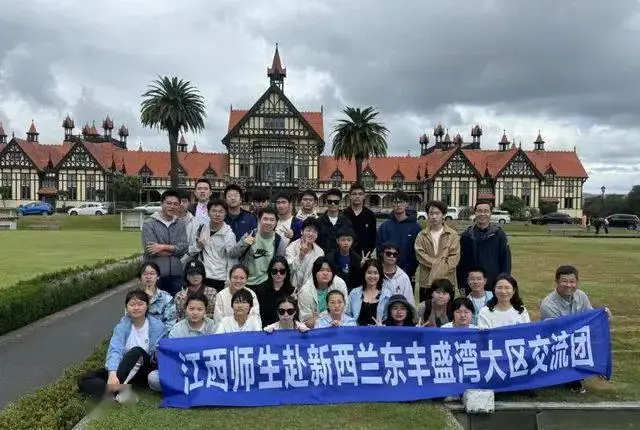
The Jiangxi student delegation during their visit to the Eastern Bay of Plenty — one of two pilot groups whose experiences shaped the design of the ongoing cultural tourism programme.
Each 45-person group generated approximately NZ$157,500 in direct economic activity within the Eastern Bay of Plenty, with the majority of spending retained within the local community through marae hosting fees, local accommodation, catering, and enterprise tours.
The programme created new opportunities for community members — particularly rangatahi (youth) — to practise and share their culture in a meaningful context, contributing to the revitalisation of te reo Māori and traditional arts within the community.
Both pilot visits were attended by senior Jiangxi government officials, strengthening the Sister Province relationship and creating goodwill that has since supported other Eastern Bridge-facilitated initiatives in the region.
The programme model has attracted interest from other iwi and hapū across the Eastern Bay and beyond, with several communities approaching Eastern Bridge to explore the development of similar programmes tailored to their own cultural assets and visitor markets.
The Chinese Market: Why Māori Culture Matters
The commercial case for this programme is underpinned by robust market data. Chinese visitors to New Zealand consistently rate Māori cultural experiences among their top activities, and the market is growing. The chart below illustrates the top activities sought by Chinese visitors to New Zealand, based on Tourism New Zealand research.
Source: Tourism New Zealand — Chinese Visitor Insights Report. Māori Cultural Experience highlighted in red.
Economic Impact: Where the Value Flows
Based on an average group size of 45 visitors and an estimated per-person spend of NZ$3,500 during a 7-day programme, each visit generates approximately NZ$157,500 in direct economic activity within the Eastern Bay of Plenty. The breakdown below shows how this value is distributed across the local economy.
Based on 45-person group at NZ$3,500 per person. Eastern Bridge estimates.
Community Benefit by Sector
| Community Sector | How the Programme Created Benefit |
|---|---|
| Host Marae & Hapū | Direct revenue from hosting fees, catering, and cultural facilitation. Funds for marae restoration, maintenance, and community initiatives. |
| Māori-Owned Aquaculture | New international visitor stream for enterprise tours and direct product experiences, building brand awareness in key export markets. |
| Iwi Economic Enterprises | International brand exposure and potential export market development through direct visitor engagement with iwi-owned businesses. |
| Local Schools | Intercultural exchange experiences for local students, broadening horizons and building confidence. Potential for ongoing language and exchange opportunities. |
| Local Accommodation & Hospitality | Increased occupancy and revenue for local providers, keeping tourism dollars circulating within the Eastern Bay economy. |
| Wider Community | Increased regional profile, a strengthened relationship with Jiangxi Province, and a growing pipeline of future visitors and exchange participants. |
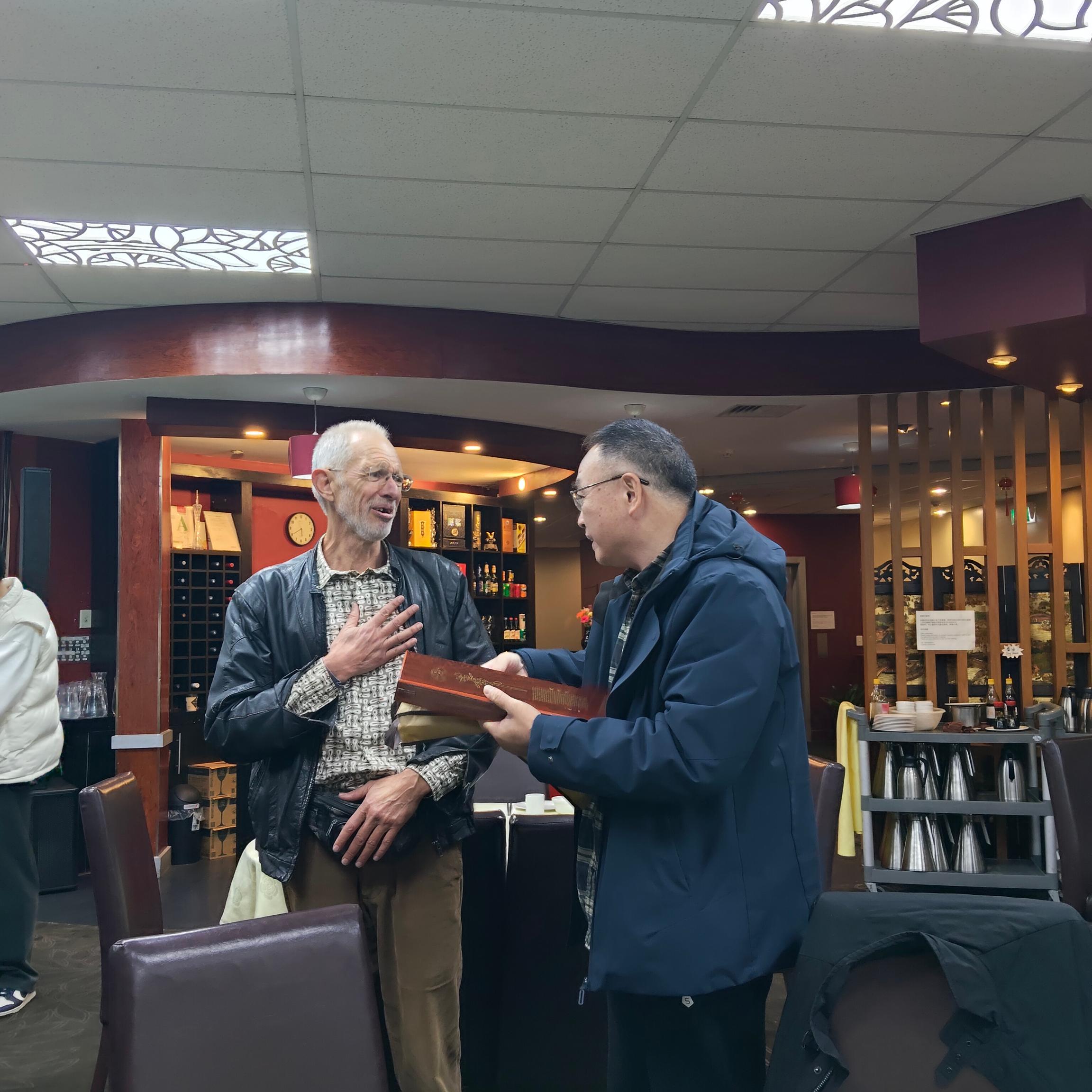
The formal gift exchange at the Poroporoaki (farewell ceremony) became one of the most emotionally resonant moments of the programme — a tangible symbol of the bonds formed between hosts and guests.