The Trillion-Dollar Livestreaming Gold Rush
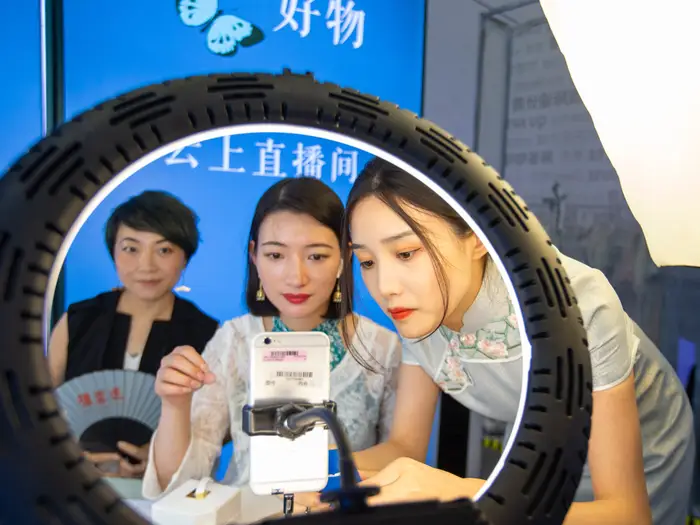
China's e-commerce landscape is unlike any other on earth. It is not simply a marketplace — it is a form of entertainment, a social network, and a cultural phenomenon rolled into one. At the heart of this is the livestreaming e-commerce industry, a market that exploded to over $807 billion in 2024 and is projected to surpass $1.14 trillion by 2026. This is not online shopping as the West understands it. It is "live commerce" — a high-energy, real-time blend of storytelling, community interaction, and instant purchasing that has fundamentally reshaped how Chinese consumers discover and buy products.
Millions of viewers tune in daily to watch their favourite influencers — known in China as Key Opinion Leaders, or KOLs — showcase products, share stories, and offer limited-time deals. For a brand, it has become the single most powerful conversion engine in the Chinese market. A single two-hour livestream by a top KOL can clear millions of dollars of inventory. For a New Zealand tourism operator, the question is not whether this channel matters — it is how to access it authentically and effectively.
The Scale of the Opportunity
New Zealand's appeal to Chinese travellers is substantial. According to Tourism New Zealand, 250,000 visitors from China arrived in the year ending May 2025, spending an average of $5,809 per trip. There are 68 million people in China who are seriously considering a New Zealand holiday. The challenge is not the size of the audience — it is how to reach them in a way that feels genuine, builds trust, and converts interest into bookings.
Breaking Through: Audience, Authenticity, and the Art of Conversion
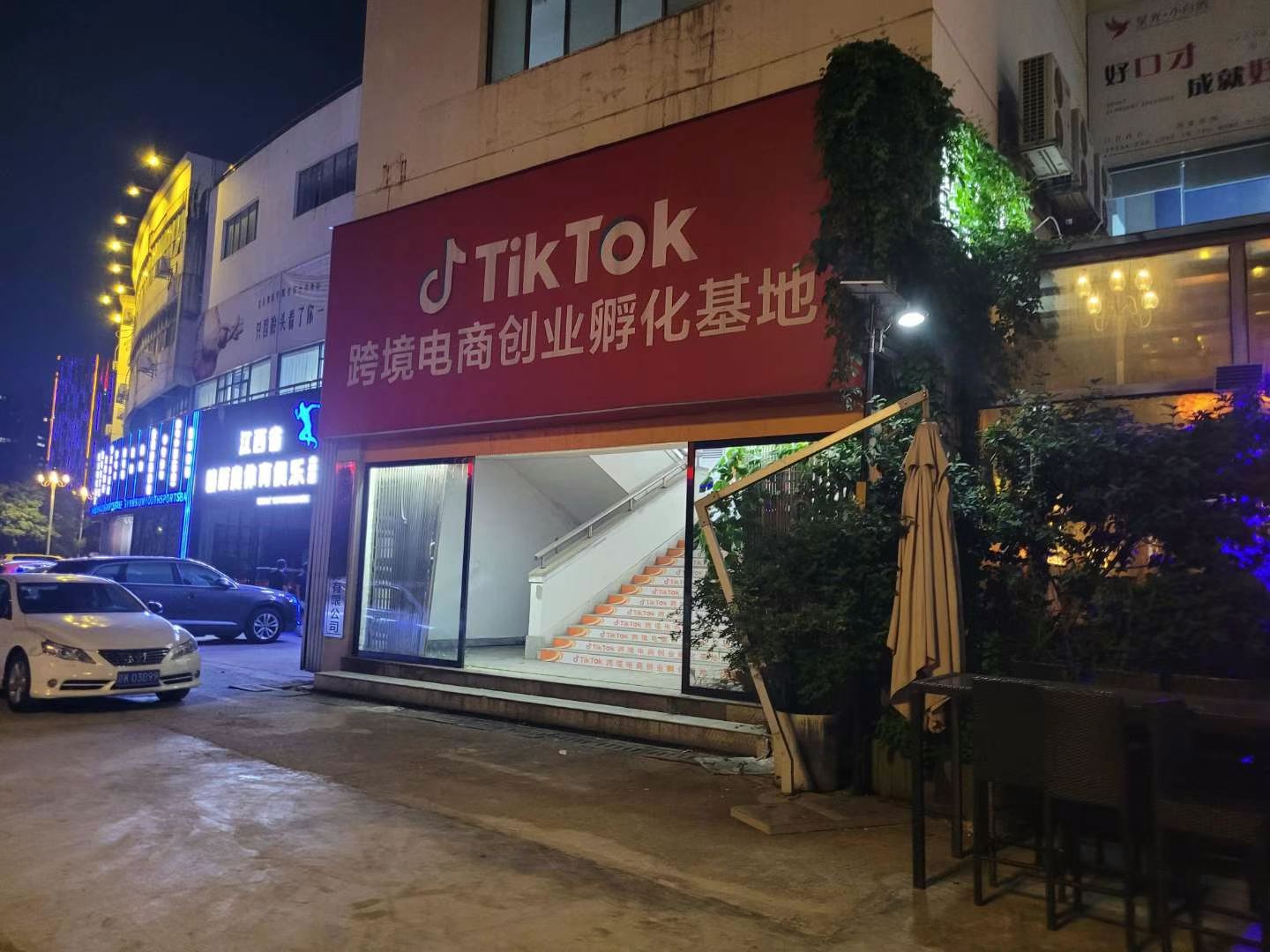
For a New Zealand tourism operator, breaking into China's live commerce ecosystem presents two immense and interconnected challenges. The first is audience: how do you reach this massive, discerning market without spending years building a channel from scratch or millions of dollars on advertising? The second is authenticity: in a sea of polished influencers and manufactured content, how do you create something that feels real, trustworthy, and genuinely compelling?
Chinese audiences — particularly on platforms like Douyin and Xiaohongshu — are increasingly sophisticated. They can distinguish between a genuine recommendation and a paid promotion. Research consistently shows that authenticity and relatability now outperform star power. The rise of the KOC (Key Opinion Consumer) — smaller, more credible voices with tighter-knit followings — reflects this shift. For New Zealand tourism, this creates both a challenge and a unique opportunity.
Reach at Scale
Access an audience of hundreds of thousands of potential Chinese visitors without years of channel-building or prohibitive advertising spend.
Authentic Voice
Present New Zealand through a voice that feels genuine, credible, and culturally fluent — not a polished marketing campaign.
Real-Time Engagement
Create a live, interactive experience where Chinese audiences can ask questions, hear stories, and build a genuine connection with New Zealand.
Sales Conversion
Translate audience interest and emotional connection directly into bookings for New Zealand tour products and training programmes.
China's Influencer Ecosystem: Where Audiences Live and Buy
Understanding which platform to operate on is critical to any China digital marketing strategy. Each platform serves a different role in the consumer journey — from discovery and inspiration through to trust-building and final purchase. For tourism marketing, the most relevant platforms are Douyin (China's TikTok), Xiaohongshu (Little Red Book), WeChat, and Weibo. A professional KOL campaign will typically span all of these, but the live commerce action is concentrated primarily on Douyin and Taobao Live.
| Platform | Primary Role | Monthly Users | Tourism Strength |
|---|---|---|---|
| Douyin (抖音) | Entertainment + Live Commerce | 700M+ | Explosive reach; seamless in-video shopping; algorithmic discovery |
| Xiaohongshu (小红书) | Discovery + Trust + Lifestyle | 300M+ | Premium travel content; peer reviews; aspirational imagery |
| WeChat (微信) | Community + Retention | 1.3B+ | Loyalty marketing; direct booking via Mini Programs; relationship-building |
| Weibo (微博) | Broadcast + PR | 580M+ | Mass brand awareness; celebrity and KOL amplification |
| Taobao Live (淘宝直播) | Live Commerce + Sales | 500M+ | Direct product sales; tour package bookings; flash deals |
The "Face + Funnel" model that Eastern Bridge developed is particularly well-suited to Douyin's live commerce format, where the algorithm rewards genuine engagement and real-time interaction, and where an established channel can deliver an audience of hundreds of thousands within minutes of going live.
The "Face + Funnel" Model: A Partnership Built for Conversion
Eastern Bridge's response to the challenge was both elegant and unconventional. Rather than attempting to build a channel from the ground up — a process that can take years and significant investment — the strategy was to partner with an established, successful influencer and bring something genuinely unique to her audience: a fluent Chinese-speaking New Zealander with deep cultural knowledge and authentic stories to tell.
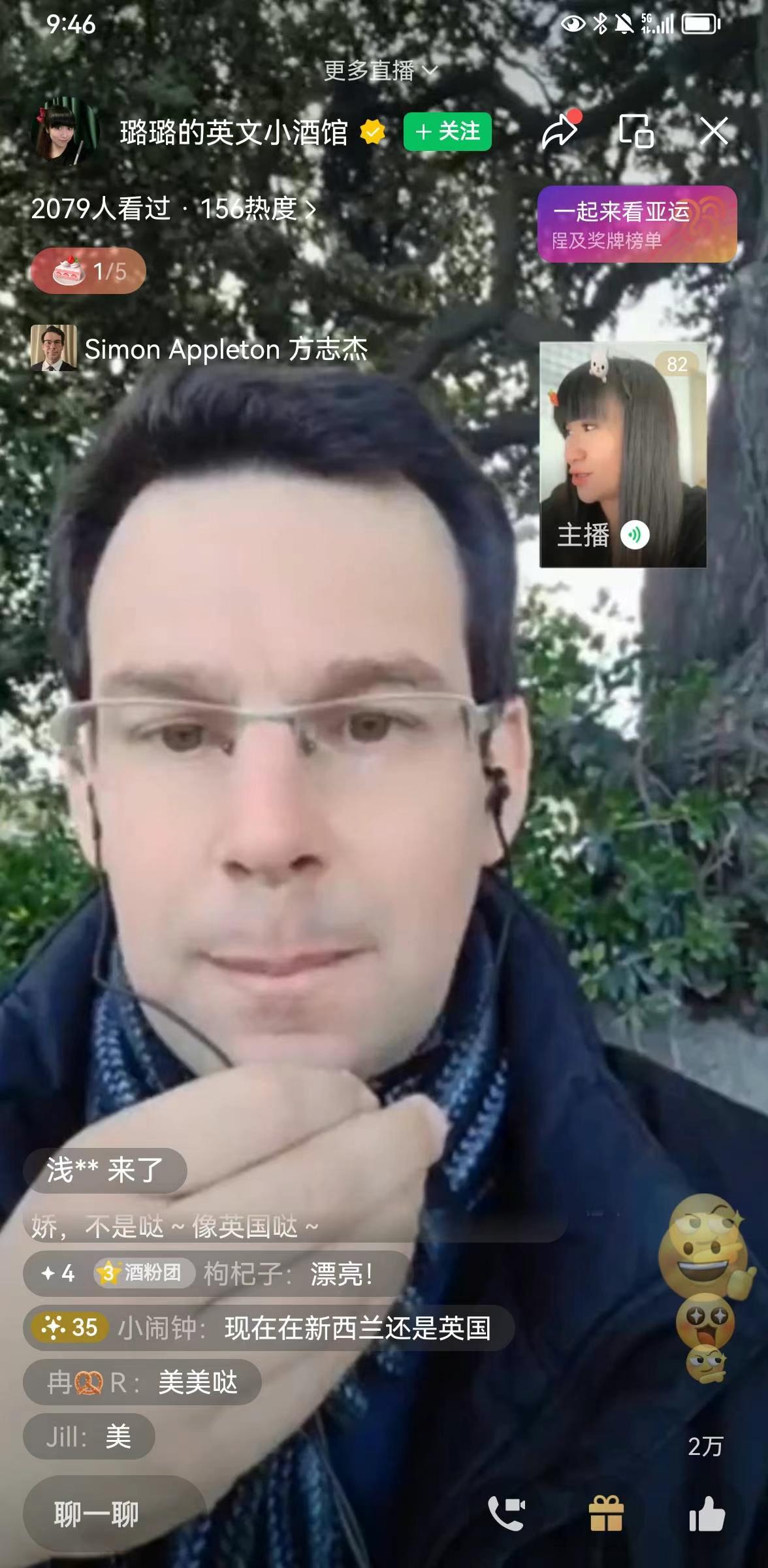
The chosen partner was Lulu's Bar, a popular Chinese social media channel focused on foreign languages and cultures, with a large and highly engaged following. The partnership was built on a clear and deliberate division of roles, which Eastern Bridge calls the "Face + Funnel" model.
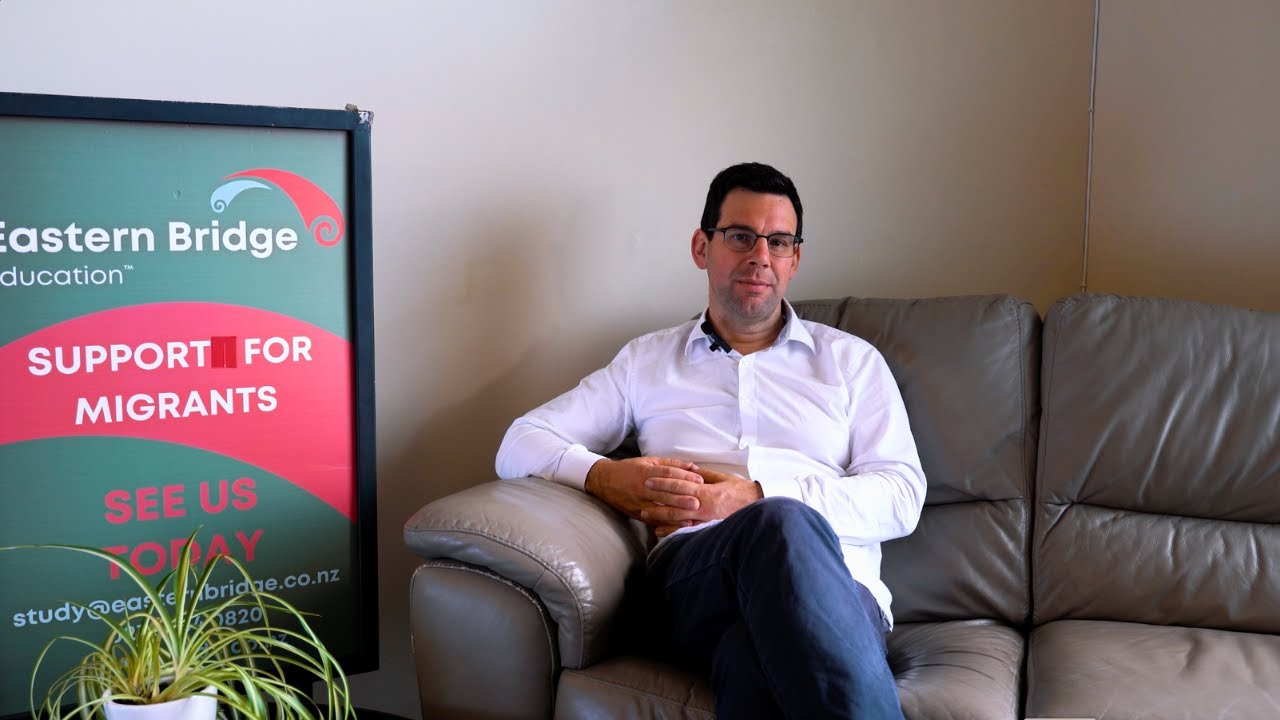
Simon Appleton
A fluent Mandarin-speaking New Zealander with deep cultural knowledge. His role: tell authentic stories, engage the audience in real-time, answer questions, and build trust. He was the source of credibility and genuine connection.
Lulu's Bar
An established Chinese influencer channel focused on foreign cultures and languages. Her role: provide the platform, manage the broadcast, maintain energy, and seamlessly convert audience interest into direct sales of tour products and training programmes.
This model allowed each partner to play entirely to their strengths. Simon could focus on storytelling and authentic engagement without the pressure of a hard sell. Lulu could handle the commercial mechanics — dropping product links, managing flash offers, and directing viewers to purchase — which her audience already expected and trusted from her. The result was a broadcast that felt natural, entertaining, and credible, while simultaneously functioning as a highly effective sales channel.
A Live Tour of Bay of Plenty and Hawke's Bay
The campaign was executed over a period of several days, with content generation in the field building toward a climactic two-hour feature livestream. Simon travelled throughout the Bay of Plenty and Hawke's Bay, capturing short-form video content and images that showcased the authentic character of these regions — not the polished tourism brochure version, but the real New Zealand: local producers, stunning landscapes, cultural encounters, and the warmth of the people who call these places home.
Content in the Field
In the days before the main event, Simon generated short-form video content across the Bay of Plenty and Hawke's Bay — sharing personal stories, meeting locals, and building anticipation for the upcoming livestream across Lulu's channels.
Live in Mandarin
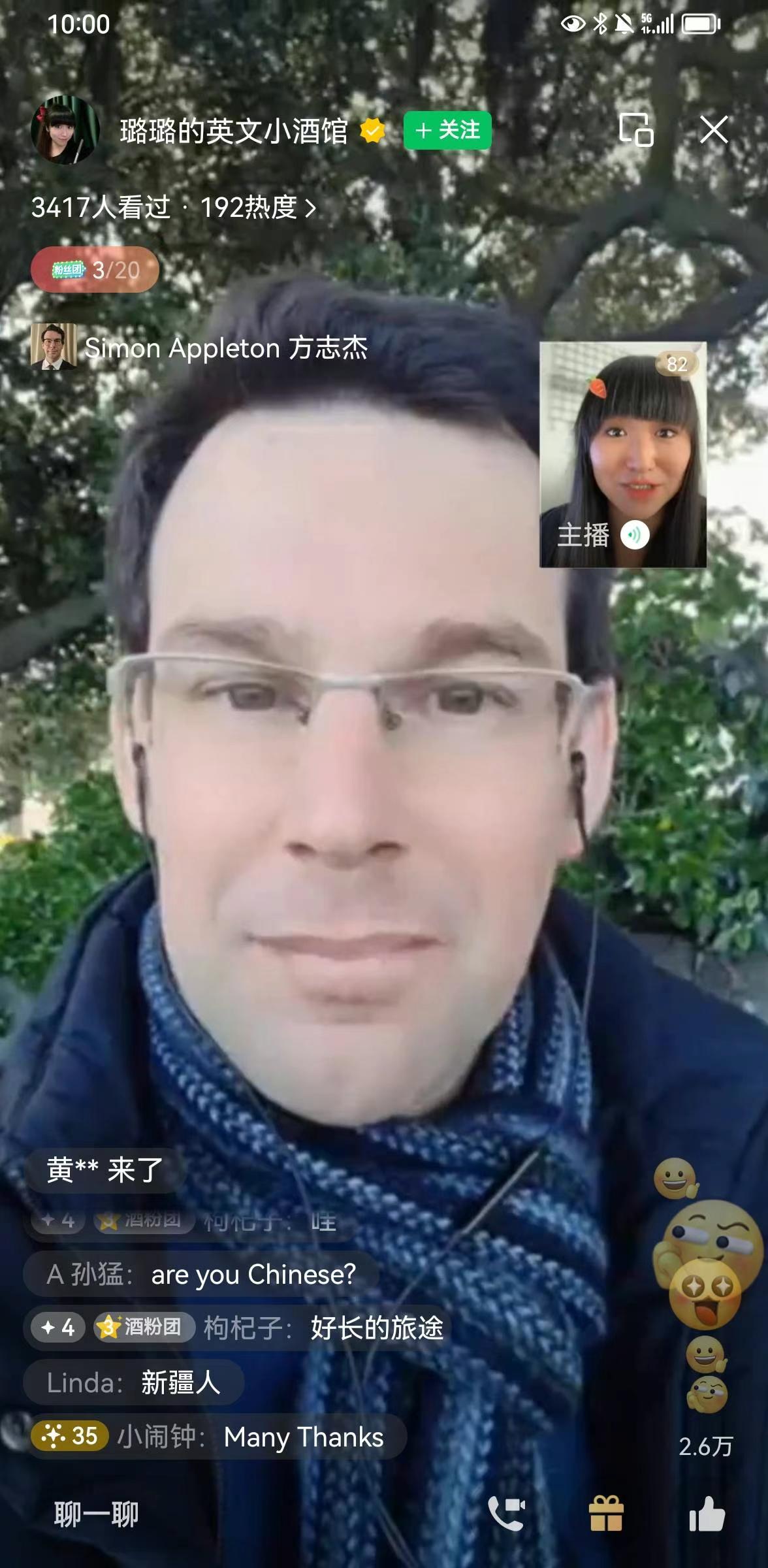
During the two-hour broadcast, Simon spoke directly to the audience in Mandarin — answering questions, sharing anecdotes about Māori culture, local food, and the New Zealand lifestyle. Over 150,000 viewers tuned in live.
Real-Time Q&A
The live format enabled genuine, unscripted interaction. Viewers asked about visa requirements, the best time to visit, what to eat, and how to experience Māori culture. Simon answered each question personally, in Chinese, building a sense of direct relationship.
Seamless Sales Conversion
As Simon generated interest and emotional connection, Lulu managed the commercial layer — introducing specific tour packages and training programmes, dropping purchase links into the live chat, and converting viewer curiosity into direct sales in real time.
"The magic happened when we stopped trying to sell a product and started sharing a story. My job was just to be myself — to talk about the home I love, in a language the audience understood. Lulu's genius was turning that conversation into commerce."Simon Appleton — Founder & Principal, Eastern Bridge Limited
From Viewers to Visitors: Tangible Results
The two-hour livestream delivered results that validated the "Face + Funnel" model and demonstrated the extraordinary potential of live commerce as a channel for New Zealand tourism marketing. The campaign succeeded not only as a sales event but as a proof of concept — demonstrating that a culturally fluent, non-native Chinese speaker can be a uniquely powerful and authentic voice for a foreign destination.
Live Viewers
Over 150,000 unique viewers tuned in during the broadcast — a level of reach that would be almost impossible to achieve through traditional advertising for a comparable cost.
Sustained Engagement
The full two-hour broadcast maintained strong viewership throughout, reflecting the quality of the storytelling and the genuine interest of the audience in New Zealand.
Sales Generated
The campaign generated direct revenue through the sale of New Zealand tour products and training programmes, with purchase links converting live viewer interest into bookings in real time.
Proof of Concept
The campaign validated a replicable model for New Zealand tourism operators seeking to access China's live commerce ecosystem through authentic, culturally fluent storytelling.
What This Teaches Us About Selling to China
This campaign offers a powerful and replicable blueprint for any New Zealand brand, tourism operator, or regional organisation seeking to access China's live commerce ecosystem. The lessons are grounded not in theory, but in the lived experience of a two-hour broadcast watched by 150,000 people.
Authenticity is Your Superpower
In a market saturated with polished content, being genuinely real is a radical advantage. Simon's status as a foreigner speaking fluent Chinese was not a weakness — it was the core of his appeal. He was a novelty, but a credible one. Brands should identify and lean into their own authentic points of difference.
Borrow Before You Build
Building a meaningful Chinese social media following can take years and significant investment. By partnering with an established influencer, Eastern Bridge accessed a ready-made audience of hundreds of thousands instantly. For most NZ operators, partnership is the fastest and most cost-effective entry point into this market.
Separate the Story from the Sale
The "Face + Funnel" model works because it allows each partner to focus entirely on their strength. The storyteller builds trust and desire without the awkwardness of a hard sell. The sales expert converts that desire without undermining the authenticity of the content. This division of labour is the key to the model's effectiveness.
Live is for Interaction, Not Perfection
The most engaging moments of the broadcast were the unscripted ones — the spontaneous Q&A, the personal anecdotes, the genuine laughter. Chinese audiences value real-time interaction above polished production. The willingness to be imperfect, present, and responsive is what builds the trust that drives conversion.