

Why a Sister Province Model Was Needed
New Zealand local governments have a long history of sister-city and friendship-city relationships. When they work well, they create real value: cultural understanding, education links, tourism interest, export conversations, and civic goodwill that can last decades. In practice, however, many relationships underperform — not due to lack of intent, but because councils are constrained by the realities of local government.
International engagement competes with core services. It can be politically sensitive. It requires specialist knowledge, consistent relationship management, and the ability to respond quickly when overseas partners wish to progress something. Councils also experience staff turnover, shifting priorities, and budget pressures — meaning international work is often treated as non-essential, even when there is a genuine strategic rationale behind it.
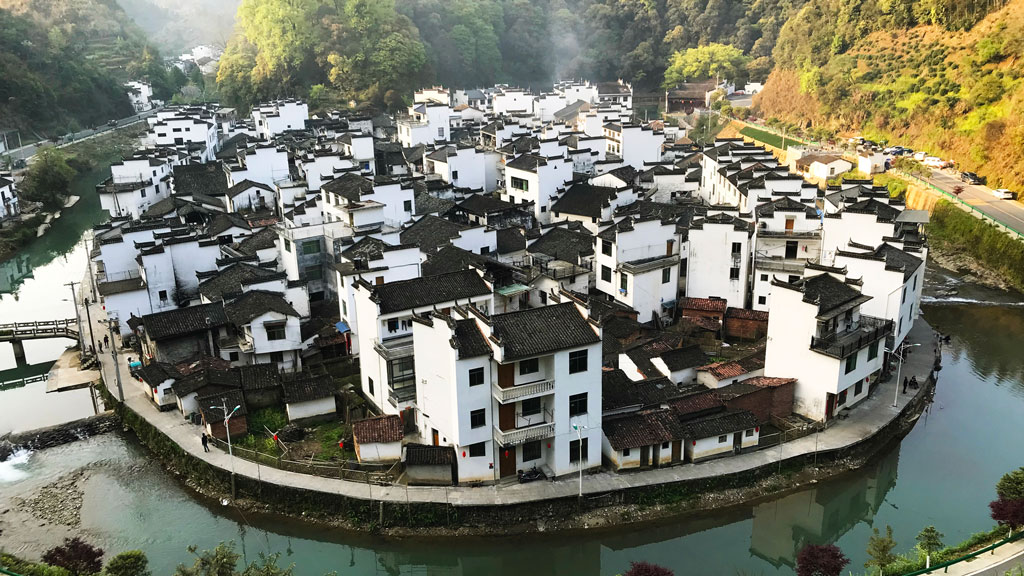
Wuyuan, Jiangxi Province — one of China's most celebrated rural landscapes, reflecting the province's rich cultural heritage and rural character.
The challenge is intensified when engaging with China. China's scale is significant. Its institutional settings and relationship expectations differ from New Zealand's. Trust is built through continuity, presence, and practical cooperation over time. For smaller councils — especially those outside major metros — it can be difficult to maintain a credible, consistent presence without placing ongoing pressure on staff and budgets.
Eastern Bridge was established to solve this problem. It operates as an outsourced international relations office for communities, making international engagement practical, low-risk, and outcomes-focused. As borders reopened post-COVID, Eastern Bridge recognised that a different approach was needed — one that delivered scale, reduced duplication, and made it easier for councils and iwi to participate without carrying the full administrative load. The result was a collective partnership approach anchored in the Bay of Plenty and aligned to Jiangxi Province.
Why Jiangxi?
Jiangxi Province is a strong fit for New Zealand regional partnerships. With a population of approximately 45 million and a growing economy, the provincial government places genuine value on practical cooperation, education, cultural exchange, and outward-facing engagement. Jiangxi contains multiple cities and districts with different economic strengths, education institutions, and industry bases — meaning there are multiple entry points for New Zealand communities to find a fit that matches their own priorities.
From a Chinese perspective, a provincial-level framework is also meaningful. It signals scale and long-term intent, enables provincial-level resource allocation, and supports projects that cut across education, youth, business and community sectors. That scale is difficult for an individual New Zealand council to achieve on its own.
The Three Barriers the Framework Was Designed to Address
Most councils cannot justify dedicating staff time to sustained overseas relationship management. Without continuity, relationships become reactive and sporadic.
Elected members need assurance that international engagement is managed responsibly and transparently, with reputational, governance and financial risks understood and controlled.
New Zealand councils are small relative to Chinese cities. A single council's weight and frequency of engagement can be insufficient to sustain momentum. A collective model increases scale without increasing cost for each participant.
What the Relationship Was Designed to Achieve
The Jiangxi–Bay of Plenty Sister Province Relationship was designed to create a multi-stakeholder platform enabling four interconnected outcomes:
Strengthening people-to-people understanding, supporting civic goodwill, and building long-term connections that persist beyond political cycles.
Enabling young people to gain international experience, supporting language and cultural learning, developing school-to-school connections, and creating tangible pathways between New Zealand and Chinese institutions.
Creating practical channels for trade engagement, business introductions, tourism promotion, and longer-term investment attraction — without promising guaranteed outcomes and without asking councils to carry financial risk.
Ensuring councils and iwi can participate without significant internal resourcing, while maintaining clear oversight, reporting and mandate clarity.
How Eastern Bridge Structured the Engagement
Eastern Bridge's central role has been to design the relationship architecture and provide operational capability that councils and iwi generally do not have in-house. The model rests on five structural principles:
Under the framework, participating councils and iwi do not need to carry the entire relationship on their own. The provincial-level relationship acts as the umbrella. Within that umbrella, individual councils and iwi can develop city-level or district-level connections aligned with their priorities — allowing Jiangxi counterparts to engage with a larger New Zealand "collective," while still enabling local-level relationships that feel tangible and specific.
Councils, boards and elected members retain governance authority and define the scope of involvement. Eastern Bridge provides the operational management: maintaining contact, coordinating activity, drafting documents, preparing engagement plans, and managing communication with offshore partners. This separation is particularly important for political confidence — councils need to know they are not entering open-ended commitments.
The framework uses non-binding instruments such as Memoranda of Understanding (MoU) or friendship agreements as the starting point. These recognise intent and enable coordination without locking New Zealand partners into complex legal obligations. Project-specific agreements are then developed when a particular initiative is ready — for example, a school exchange programme, a volunteer placement partnership, or a business delegation.
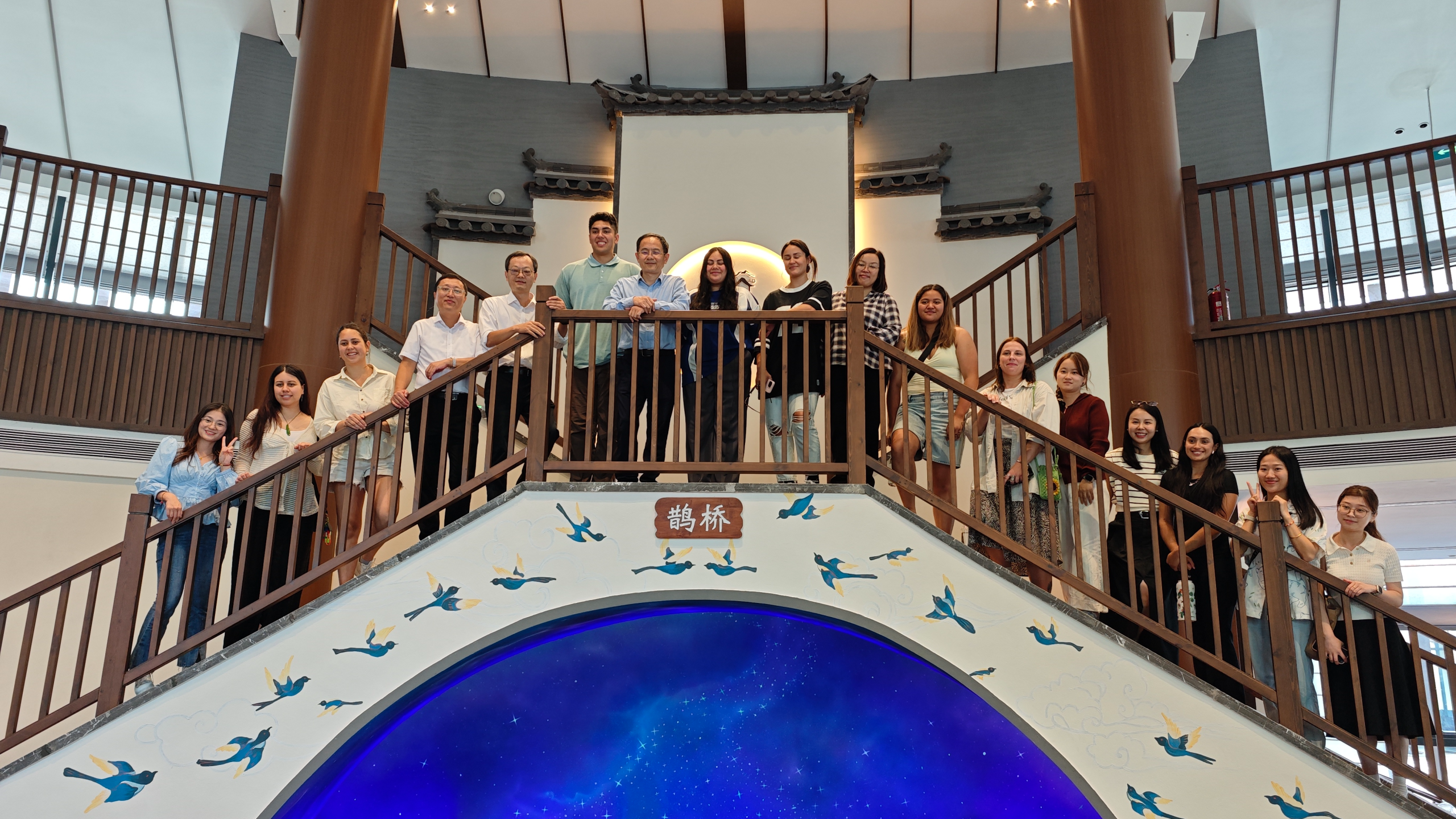
Eastern Bridge participants in Jiangxi Province — people-to-people engagement is the foundation of the relationship framework.
A key differentiator is that Eastern Bridge maintains a service office in Beijing, supporting relationship continuity and in-market coordination. This office helps manage communication with Chinese partners, supports the practicalities of programme delivery, and reduces the burden on New Zealand partners. Before COVID-19, Eastern Bridge also established a Bay of Plenty Cultural Exchange Centre in Nanchang — demonstrating a willingness to invest in real infrastructure to support relationship building.
Eastern Bridge's model is intentionally designed to reduce barriers to participation. In many cases — particularly where the work aligns with Eastern Bridge's mission and where community outcomes are central — relationship management is provided without charging management fees. This allows relationships to remain active even when local budgets are constrained. Where commercial outcomes arise, Eastern Bridge may charge commissions or project fees, transparently and only where real value is delivered.
Agreements without operational support are unlikely to deliver sustained outcomes. The model works because Eastern Bridge carries the delivery burden — allowing councils and iwi to participate with confidence, not just intention.
— Simon Appleton, Founder & Principal, Eastern BridgeWhat Has Been Achieved
The most significant outcome of the Jiangxi–Bay of Plenty initiative is the creation of a durable relationship infrastructure that allows multiple New Zealand partners to engage in China in a coordinated, low-risk way.
The relationship has been built as a platform for councils, iwi and schools to participate as part of a wider collective — an enabling framework that partners can step into, use, and shape according to their priorities.
The provincial model has enabled engagement with multiple Jiangxi cities and districts — creating a more scalable set of relationships than a single council could realistically manage alone.
The relationship has supported youth-focused programmes, education engagement and school partnership pathways, delegation activity, early-stage business and trade engagement, and a flagship Volunteer Programme providing a people-to-people mechanism that benefits both sides.
The Beijing service office and structured relationship management approach has strengthened continuity and reduced the risk of relationships becoming dormant. Governance confidence is enhanced through clear role definitions, non-binding instruments, controlled scope, and practical reporting.

Nanchang, the capital of Jiangxi Province — a city of over 6 million people and the administrative and economic centre of the provincial relationship.