Key Takeaways
- Authentic, mana whenua-led cultural tourism is a powerful economic development tool for rural Māori communities.
- Chinese visitors have a deep appetite for genuine Māori cultural experiences — far beyond what many operators assume.
- The most impactful experiences are participatory, not performative: visitors want to be guests, not spectators.
- An iterative, two-visit pilot model is the most effective way to co-design a programme that works for both hosts and visitors.
- Cultural tourism done well creates a reciprocal exchange — both parties leave enriched.
Beyond the Postcard: The Case for Authentic Cultural Tourism
The global appetite for authentic cultural tourism has never been stronger. Modern travellers — particularly from China, now one of New Zealand's most significant visitor markets — are increasingly seeking immersive experiences that go beyond superficial sightseeing. They want genuine connection, stories with depth, and an understanding of the places and people they visit. Research by the New Zealand China Council confirms that Māori culture consistently ranks as one of the top interests for Chinese visitors to Aotearoa.
For Māori, this presents both a significant opportunity and a significant responsibility. The opportunity is to share their culture with the world on their own terms, creating sustainable economic benefit for communities that have historically been marginalised. The responsibility is to do so in a way that preserves the mana (dignity and authority) of that culture — avoiding the trap of tokenism, where sacred traditions are reduced to a performance for tourist consumption.
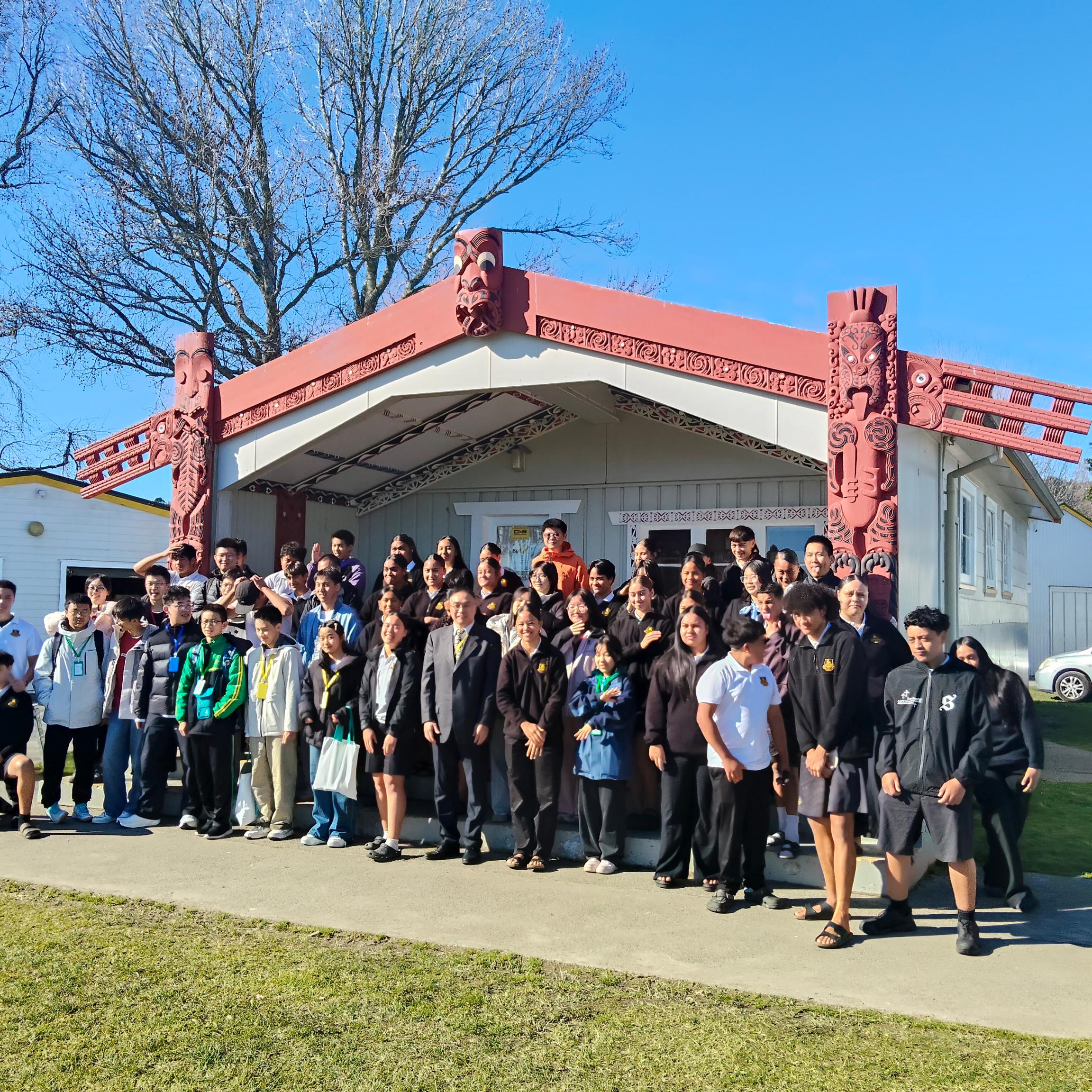
The community at Kutarere, a small settlement in the Eastern Bay of Plenty and home to the Te Ūpokorehe hapū of Whakatōhea iwi, held a clear vision. They did not simply want to host tourists. They wanted to welcome manuhiri (guests) in the true spirit of Māori hospitality — to build genuine relationships, share their stories, and create a sustainable economic base that would empower their community for generations. The challenge was to design a programme that could honour that vision while meeting the specific expectations and cultural sensibilities of international visitors.
The Tokenism Trap
Many cultural tourism offerings fall into a pattern of performative displays, where culture is presented at tourists rather than shared with them. This leaves both hosts and visitors feeling unfulfilled. The community at Kutarere Marae was determined to build something different: an experience with genuine depth, where visitors would leave not just entertained, but genuinely changed by their encounter with Te Ūpokorehe culture and the Eastern Bay of Plenty.
What the Programme Set Out to Achieve
Eastern Bridge was engaged to facilitate the co-design and delivery of a cultural tour programme for the Eastern Bay of Plenty. Working closely with the host marae, local businesses, schools, and iwi-owned enterprises, the programme was built around four clear objectives:
Authentic Cultural Immersion
Create a programme where visitors experience Māori culture from the inside — as guests of the community — not as observers of a staged performance.
Community Economic Benefit
Ensure the majority of tour revenue flows directly back into the Eastern Bay of Plenty community, supporting Māori-owned businesses, schools, and the marae.
Cultural Reciprocity
Design a two-way exchange where Chinese visitors also share their own culture, creating a richer and more respectful interaction for both parties.
A Replicable Blueprint
Develop and refine a programme model that could be adapted and scaled, providing a blueprint for other iwi and hapū seeking to enter the cultural tourism market.
A Co-Design Built on Mana and Mutual Respect
Eastern Bridge's role was not to create a tour package and sell it to the community. It was to act as a facilitator, cultural translator, and operational partner. The foundational principle was clear: this programme must be mana whenua led. The host marae and Te Ūpokorehe were the experts in their own culture; Eastern Bridge's expertise lay in understanding the Chinese visitor perspective and building the operational framework to connect the two.
The strategy was structured around four core pillars, each designed to address a specific dimension of the challenge:
Mana Whenua Led
The community were the decision-makers at every stage. They determined what stories to tell, what activities to share, and how to welcome visitors. Eastern Bridge facilitated; the community directed.
Deep Immersion
The focus was on participation, not observation. Visitors would learn, share, and contribute — moving from the role of tourist to that of a genuine guest of the community.
Community-Wide Benefit
The economic model was designed so that the majority of tour revenue stayed within the Eastern Bay of Plenty, supporting a network of local Māori-owned businesses, schools, and the marae itself.
Cultural Reciprocity
The exchange was deliberately two-way. Chinese visitors were given dedicated time to share their own songs, food, and stories, creating a richer and more respectful interaction for both parties.
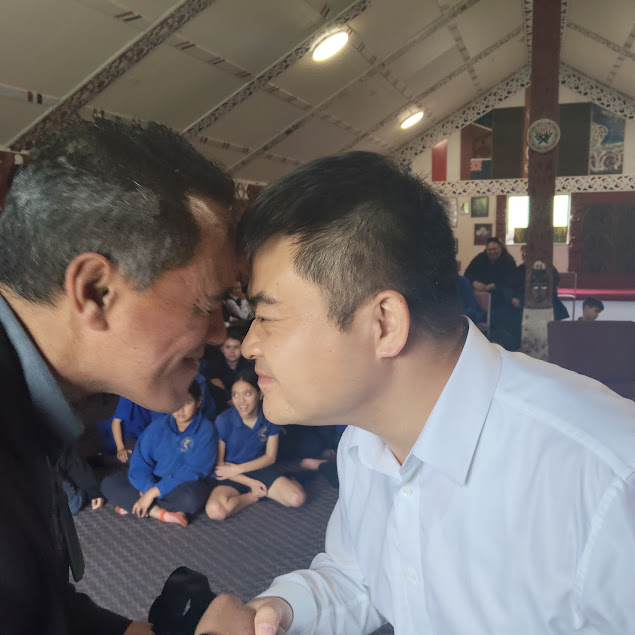
We wanted to do more than just perform a haka and serve a hāngi. We wanted to share our lives, our stories, and our home in a way that was real. When our Chinese guests sang back to us — Auld Lang Syne in Mandarin — we knew we had found something special.Marae Spokesperson — Kutarere Marae, Eastern Bay of Plenty
A 7-Day Journey into the Heart of the Eastern Bay
The resulting programme was a carefully curated 7-day immersion into the culture, landscape, and community of the Eastern Bay of Plenty. It was designed to balance iconic experiences with intimate, behind-the-scenes moments, at a pace that allowed genuine connection to develop. Every element was chosen to serve a specific purpose: to build understanding, to create shared memories, and to ensure that both visitors and hosts left the experience enriched.
The programme was structured around seven distinct thematic phases, each building on the last to deepen the visitor's understanding of Māori culture, the natural environment, and the community's economic and social life. Specific venues, operators, and partner organisations are not disclosed here to protect the integrity of the programme and the relationships that underpin it — contact Eastern Bridge directly to discuss how a similar programme could be designed for your group.
1
2
3
4
5
6
7
Interested in a Similar Programme?
The specific venues, partner organisations, and operational details of this programme are not published here to protect the relationships and commercial arrangements that make it possible. If you represent a group, organisation, or delegation interested in a similar experience, please contact Eastern Bridge directly to discuss how a bespoke programme can be designed for your needs.
Learning from Two Visits: The Pilot Model
The programme was not designed to be perfect from day one. It was designed to be honest, to be tested, and to be improved. Two pilot visits were run with different groups, allowing the programme to be refined based on real-world experience. This iterative approach proved to be one of the most valuable decisions made in the entire project.
A Delegation of Senior High School Students from Jiangxi Province
- 45 senior high school students from Jiangxi, China
- First rural marae visit on their New Zealand itinerary
- Full Pōwhiri, marae tour, and traditional kai
- Visits to local Māori-owned enterprises and a secondary school
- Traditional foods — including raw seafood and fermented delicacies — were enthusiastically received
- Students sang back to their hosts in Mandarin — a spontaneous moment of genuine connection
- Local council representative: "The level of openness was astonishing"
Key Changes & Improvements Based on Pilot Learnings
- More time on the marae — less time in transit between locations
- School exchange expanded to a full half-day with structured joint activities
- Dedicated "Shared Culture Night" introduced for explicit two-way exchange
- Coastal and harbour experience deepened with a hands-on component
- Conservation planting activity added to create a lasting contribution
- Pre-visit cultural briefing materials provided to visitors in Mandarin
- Structured gift exchange at Poroporoaki formalised and given greater ceremony
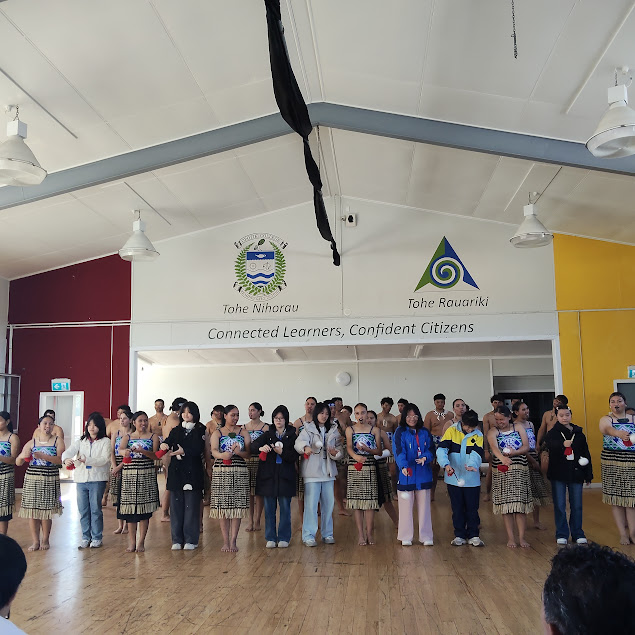
Connecting with Jiangxi — a province of more than 45 million people — shows our communities the scale of what's possible when we open our doors and share experiences. The level of openness and genuine willingness of people, both local and visiting, to connect was astonishing. That human connection will stay with me.Local Government Representative — Eastern Bay of Plenty
From Pilot to Programme: The Results
The two pilot visits delivered measurable and meaningful results, creating a ripple effect of benefits that extended far beyond the visitors themselves. The programme demonstrated that authentic, community-led cultural tourism is not just possible — it is commercially viable, culturally enriching, and deeply impactful.
Economic Empowerment
A new, sustainable revenue stream was created for the host marae and the wider Te Ūpokorehe community, providing funds for marae maintenance, community projects, and cultural revitalisation. The model directly supported a network of Māori-owned local businesses, keeping tourism dollars within the Eastern Bay economy.
Cultural Revitalisation
The programme created a powerful incentive for intergenerational knowledge transfer. Kaumātua were empowered to share their stories, and rangatahi (youth) were given meaningful roles — building their confidence and pride in their cultural identity. Cultural practice moved from memory to active, daily use.
Transformed Visitor Understanding
Post-visit feedback showed that visitors left with a profound understanding of Māori culture. They felt welcomed as genuine guests and formed real friendships. Many described the experience as "life-changing," fundamentally altering their perception of New Zealand and its people.
A Replicable Blueprint
The project created a successful, mana whenua-led model for authentic cultural tourism. It demonstrated that a commercially successful tourism product can be built without compromising cultural integrity — providing a blueprint for other iwi and hapū across Aotearoa.
| Community Sector | How the Programme Created Benefit |
|---|---|
| Host Marae & Hapū | Direct revenue from hosting fees, catering, and cultural facilitation. Funds for marae restoration, maintenance, and community initiatives. |
| Māori-Owned Aquaculture | New international visitor stream for enterprise tours and direct product experiences, building brand awareness in key export markets. |
| Iwi Economic Enterprises | International brand exposure and potential export market development through direct visitor engagement with iwi-owned businesses. |
| Local Schools | Intercultural exchange experiences for local students, broadening horizons and building confidence. Potential for ongoing language and exchange opportunities. |
| Local Accommodation & Hospitality | Increased occupancy and revenue for local providers, keeping tourism dollars circulating within the Eastern Bay economy. |
| Wider Community | Increased regional profile, a strengthened relationship with Jiangxi province, and a growing pipeline of future visitors and exchange participants. |
What This Programme Teaches Us About Cultural Tourism
This initiative generated powerful lessons for any organisation — iwi, council, or business — seeking to build meaningful cultural tourism experiences. These lessons are grounded not in theory, but in the lived experience of two real visits and the honest feedback of both hosts and guests.
Authenticity is the Ultimate Asset
Travellers from sophisticated markets like China can recognise a manufactured experience immediately. The most valuable moments came from genuine, unscripted interactions: sharing kai, listening to kaumātua, working alongside community members. The temptation to simplify or dilute culture for tourists must be resisted — its power lies in its depth and its truth.
Co-Design is Non-Negotiable
This programme succeeded because it was built from the ground up by the community, not imposed on them. Eastern Bridge acted as a facilitator, not a director. For cultural tourism to be sustainable and respectful, mana whenua must have ownership and agency at every step — from concept to delivery to financial benefit.
Food is a Universal Language
The decision to serve purely traditional Māori kai was a turning point. Visitors didn't want a taste of home; they wanted a taste of their hosts' home. Sharing traditional food is one of the most powerful acts of cultural expression available — it communicates identity, generosity, and trust in a way that no presentation or performance can replicate.
Start Small, Iterate, and Evolve
The two-visit pilot model was critical. It allowed the programme to be tested in a low-risk environment and refined based on real feedback from both hosts and visitors. It is impossible to design the perfect cultural experience on paper. The most successful approach is to start small, listen carefully, and allow the experience to evolve organically over time.