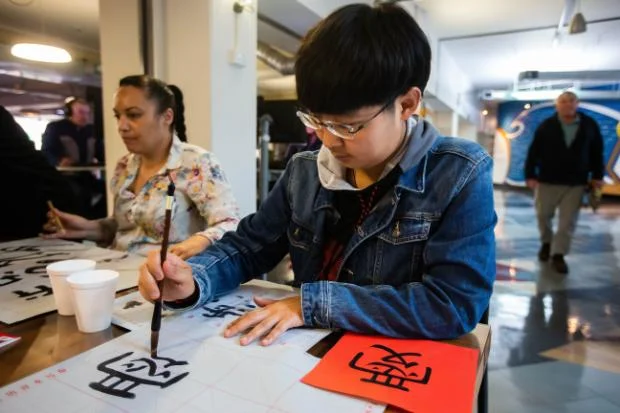
Eastern Bridge Education Launches Free Chinese Language Classes Across Hawke's Bay and Eastern Bay of Plenty
Open to everyone, with no eligibility criteria and no cost — Eastern Bridge Education's new Mandarin programme brings Chinese language, culture, and history to communities in Hastings, Napier, Whakatāne, and Ōpōtiki, at a time when New Zealand needs it most.
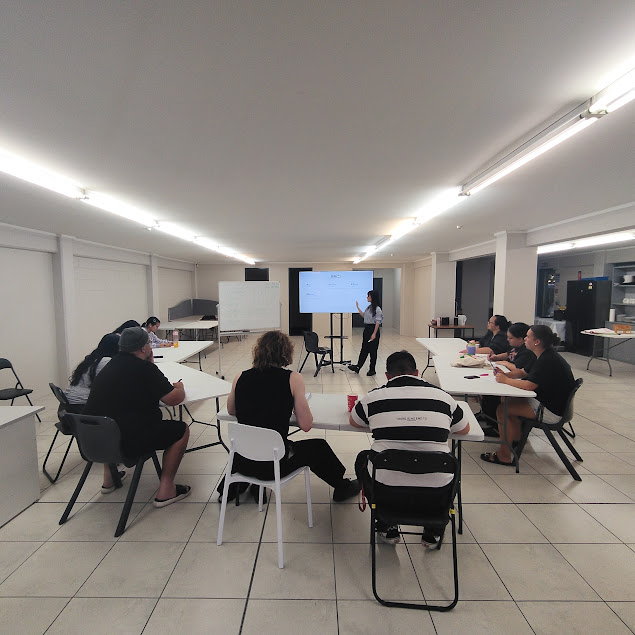
Eastern Bridge Education has launched a free Chinese language programme available to anyone in the Hawke's Bay and Eastern Bay of Plenty regions. The programme offers beginner and pre-intermediate level Mandarin classes at four locations — the Eastern Bridge Education Campus at 201 Southland Road in Hastings, the Napier Campus at 140 Dalton Street, and community venues in Whakatāne and Ōpōtiki. All classes are held in the evenings, making them accessible to people who are working or studying during the day. There are no eligibility criteria and no fees. Anyone can join.
The programme covers Chinese language fundamentals alongside Chinese etiquette, culture, and history — giving participants a well-rounded introduction to China that goes beyond vocabulary and grammar. It is designed for a wide range of participants: people who are simply curious about China, those considering doing business with Chinese partners, students thinking about studying or travelling there, and anyone who wants to better understand New Zealand's most important economic relationship.
Programme Details at a Glance
| Levels | Beginner and Pre-Intermediate |
| Locations | Hastings (201 Southland Road) · Napier (140 Dalton Street) · Whakatāne · Ōpōtiki |
| Schedule | Evening classes — suitable for working adults |
| Cost | Free — no fees, no eligibility criteria |
| Content | Chinese language, etiquette, culture, and history |
| Enquiries | study@ebe.ac.nz |
Why Now? The Case for Chinese Language Learning in New Zealand
The timing of the programme reflects a clear and growing gap in New Zealand's engagement with China. China is New Zealand's largest trading partner by a significant margin — in the year to September 2024, New Zealand exported $22.82 billion worth of goods and services to China, accounting for more than 20 per cent of total exports. The relationship spans dairy, horticulture, forestry, tourism, and education, and touches virtually every sector of the New Zealand economy.
Yet despite this deep economic interdependence, very few New Zealanders speak Mandarin or have a substantive understanding of Chinese culture, history, or etiquette. This is not simply a missed opportunity — it is an active constraint on the quality and depth of New Zealand's engagement with its most important partner. Relationships built on genuine cultural understanding are more resilient, more productive, and more mutually beneficial than those conducted at arm's length through intermediaries and translators.
"China is our number one trading partner, our closest economic partner — and yet very few New Zealanders have much awareness of Chinese language, culture, or history. We want to change that. These classes are for everyone: the businessperson who wants to build a better relationship with their Chinese counterpart, the student thinking about studying in China, or simply the curious Kiwi who wants to understand the country better."
— Simon Appleton, Eastern Bridge

A Declining Trend — and Why It Matters
The launch of the programme comes at a moment when Mandarin language learning in New Zealand is, paradoxically, in decline. According to Ministry of Education data, secondary school enrolments in Chinese language classes peaked at 6,368 in 2020 and had fallen to 5,044 by 2022 — a drop of more than 20 per cent in just two years. At the tertiary level, the picture is even more stark: university enrolments in Chinese language subjects fell 48 per cent between 2013 and 2022, from 445 students to just 175 by 2024.
This trend is not unique to New Zealand. Mandarin enrolments in United States universities have declined faster than those in all other foreign languages combined. A United Kingdom government report has identified the country's insufficient number of Chinese language speakers as a critical issue for bilateral engagement, estimating that language barriers in trade cost the UK economy approximately 2.5 per cent of GDP annually. The New Zealand China Council has described the declining interest in Chinese language study as a matter of national concern, given the scale of the two countries' economic relationship.
What the Programme Covers
The Eastern Bridge Education Chinese language programme is structured to be genuinely practical and immediately useful. The beginner level is designed for participants with no prior knowledge of Mandarin, covering pronunciation (tones and pinyin), essential vocabulary, basic conversational phrases, and an introduction to Chinese characters. The pre-intermediate level builds on this foundation, introducing more complex grammar structures, broader vocabulary, and more extended conversational ability.
Alongside the language content, every class incorporates elements of Chinese culture, etiquette, and history. This reflects Eastern Bridge's view that language learning is most effective — and most meaningful — when it is embedded in cultural context. Participants learn not just how to speak Mandarin, but how to navigate a Chinese business meeting, understand the significance of key cultural practices, and appreciate the historical context that shapes contemporary China. For those considering business with China, this cultural literacy is often more valuable than language proficiency alone.
Who Is the Programme For?
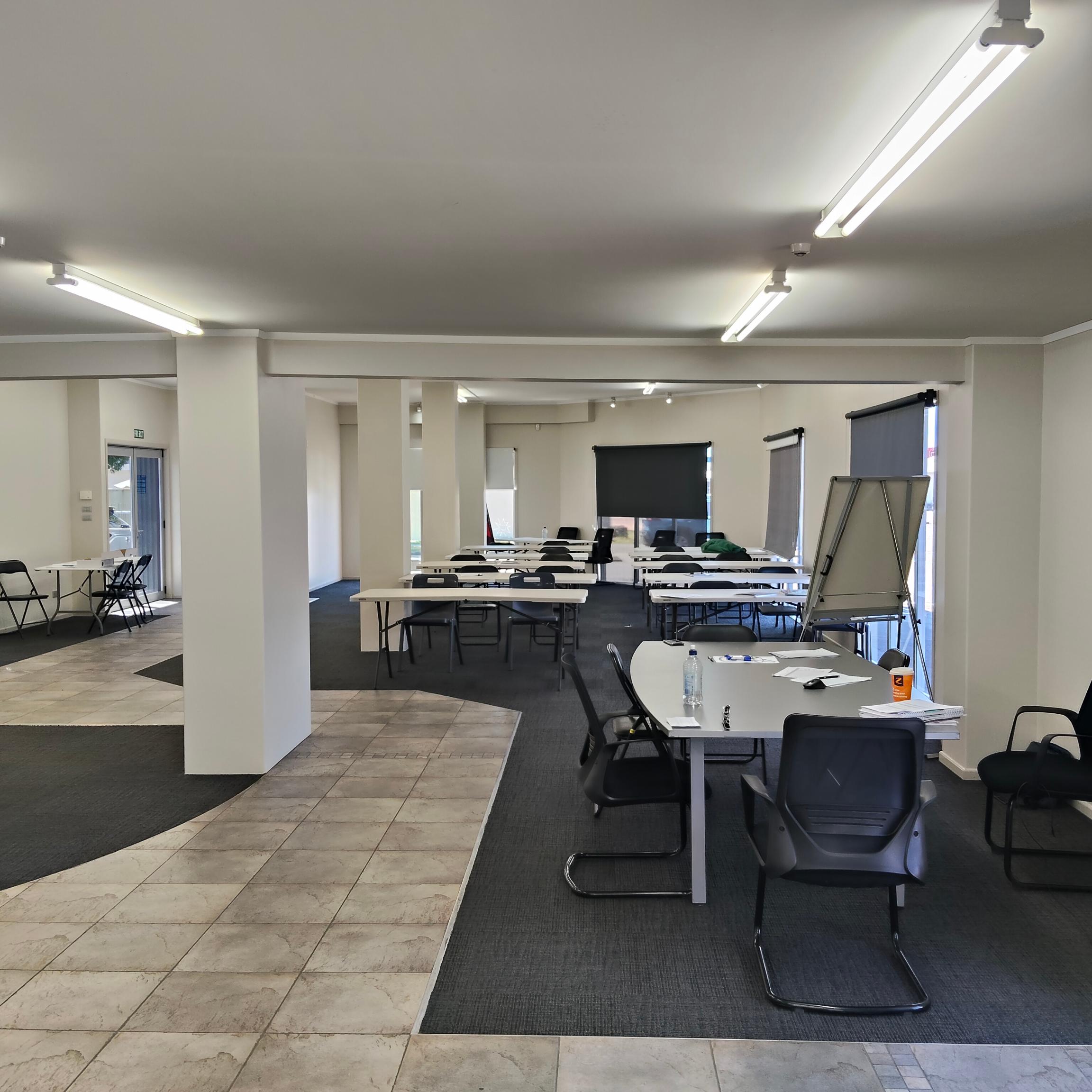
Eastern Bridge Education has deliberately designed the programme to be as inclusive as possible. There are no academic prerequisites, no age restrictions, and no eligibility criteria of any kind. The programme is open to everyone — and the evening schedule means that working adults, parents, and students can all participate without disrupting their existing commitments.
| Who It's For | What You'll Gain |
|---|---|
| Business professionals | Practical language skills and cultural knowledge to build stronger relationships with Chinese partners, clients, and suppliers |
| Students | A competitive advantage for those considering study, internships, or careers with a China connection |
| Travellers | Essential language and cultural preparation for visiting China — from navigating daily life to meaningful conversations |
| Community members | A deeper understanding of Chinese culture and history, and a stronger connection to the Chinese New Zealander community |
| Curious learners | An engaging introduction to one of the world's great civilisations — its language, history, philosophy, and contemporary culture |
How to Enrol
Enrolment is straightforward. Anyone interested in joining the programme — whether in Hastings, Napier, Whakatāne, or Ōpōtiki — can contact Eastern Bridge Education directly by email at study@ebe.ac.nz. The team will provide information about class schedules, locations, and available levels, and can advise on which level is most appropriate based on any prior exposure to Mandarin.
Classes are free, and there is no obligation to commit to a full term before trying a session. Eastern Bridge Education encourages anyone who is curious to come along and see whether the programme is right for them. The only requirement is a genuine interest in China and a willingness to learn.
"Mandarin is the most widely spoken first language in the world. China is our closest economic partner. And yet we are producing fewer Mandarin speakers every year. These classes are a small but meaningful step towards changing that — and they are open to everyone, at no cost."
— Simon Appleton, Eastern Bridge