
The Importance of Sister City Relationships: The New Zealand Experience in Community-Level International Diplomacy
With 53 councils maintaining 154 international relationships across 20+ countries, New Zealand's sister city network is one of the most active in the Asia-Pacific region — yet many partnerships remain underutilised. This article examines what makes them work.
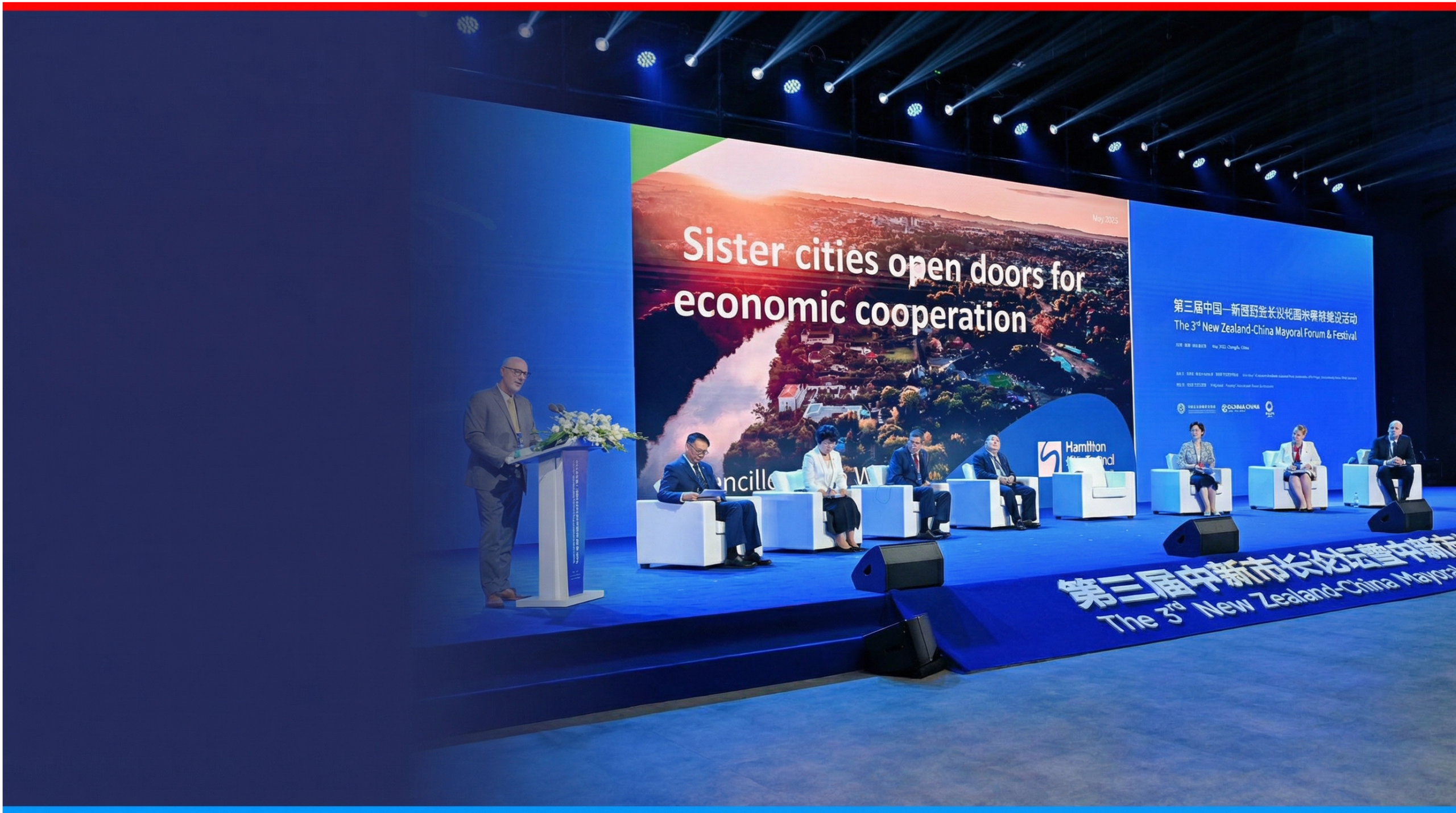
Key Takeaways
53 New Zealand councils maintain ~154 sister city relationships across 20+ countries — more than half with Asian partners, reflecting the region's economic importance.
Successful relationships require active community participation, clear strategic goals, and long-term commitment — not just formal council agreements.
Community-level relationships often remain stable during periods of geopolitical tension — making them a uniquely resilient form of international diplomacy.
Introduction
In an increasingly interconnected world, cities and regions are playing a growing role in international relations. While diplomacy has traditionally been conducted between national governments, local governments now frequently engage in international partnerships that promote economic development, cultural exchange, and people-to-people connections.
One of the most established mechanisms for this form of international engagement is the sister city relationship — sometimes referred to as town twinning or friendship city agreements. These relationships create formal partnerships between cities or regions in different countries, allowing them to collaborate on education, business, tourism, culture, and community development.
New Zealand has actively participated in the global sister city movement for several decades. Today, 53 New Zealand councils maintain approximately 154 international sister-city relationships across more than 20 countries — creating a significant network of international connections at the community level.
While the value of sister city relationships is sometimes debated, they remain an important tool for fostering international understanding, supporting local economic development, and strengthening global networks for communities.
The Origins of the Sister City Movement
The concept of sister city relationships emerged after the Second World War as part of a broader effort to promote international peace and cultural understanding. Cities around the world began forming partnerships with communities in other countries to build friendships between ordinary citizens — to encourage cooperation and mutual respect between people from different nations.
Over time, the movement expanded significantly. Today, thousands of cities around the world participate in sister city programmes, creating one of the largest global networks of municipal cooperation. While early partnerships often focused on reconciliation and cultural exchange, modern sister city relationships have evolved to include a much broader range of activity.
Today's sister city relationships extend well beyond cultural exchange to include: trade and investment promotion, tourism development, student and academic exchanges, technology and innovation collaboration, environmental cooperation, and cultural and artistic exchange. In many cases they now form part of a broader strategy of city diplomacy.
The Development of Sister Cities in New Zealand
New Zealand's participation in the sister city movement began in the mid-20th century. Early relationships were often formed with cities in countries with historical ties — Australia, the United Kingdom, and the United States. However, from the 1970s onward, the focus began to shift toward Asia, reflecting the country's growing economic and cultural connections with the region.
Japan was one of the earliest and most significant partners in this expansion. Today New Zealand and Japan maintain more than 40 sister-city relationships, with the first established between Christchurch and Kurashiki in 1973. Since then, partnerships have expanded to include cities in China, South Korea, Taiwan, Europe, the Pacific, and North America.
New Zealand's Sister City Network at a Glance
| Indicator | Value |
|---|---|
| NZ councils involved | 53 |
| Total sister city relationships | ~154 |
| Countries involved | 20+ |
| Most common partner regions | Asia (Japan, China, Korea) |
| NZ–Japan relationships | 40+ |
| First NZ–Japan relationship established | Christchurch–Kurashiki, 1973 |
Examples from New Zealand Councils
Wellington
Maintains partnerships with Beijing, Tianjin, Qingdao, and Xiamen in China, along with Sakai in Japan and Taipei in Taiwan — one of the most internationally connected councils in New Zealand.
Timaru
Sister city relationships with Weihai in China and Eniwa in Japan, as well as partnerships in Australia and the United States — demonstrating that regional councils can maintain diverse international networks.
New Plymouth
Partnerships with Mishima in Japan and Kunming in China — linking a mid-sized regional city to two major Asian urban centres with significant economic and cultural weight.
The Benefits of Sister City Relationships
While sister city relationships vary in their level of activity and impact, they can deliver a range of important benefits to participating communities. These benefits generally fall into four major categories.
Economic Development
Research by the New Zealand Institute of Economic Research (NZIER) has found that sister city relationships can generate economic benefits through trade promotion, tourism development, and international business connections. Sister city networks help local businesses:
- Access new international markets
- Build commercial partnerships
- Reduce transaction costs when entering foreign markets
- Gain market knowledge through trusted contacts
These relationships are particularly valuable for smaller regional communities that may otherwise have limited international connections.
Education and Knowledge Exchange
Many partnerships facilitate exchanges between schools, universities, and research institutions — allowing students, teachers, and researchers to build international connections and share knowledge.
For example, educational collaboration between Christchurch and Adelaide helped introduce the Children's University programme to Canterbury. Similarly, partnerships between New Zealand and Asian cities have helped promote international student flows and academic cooperation.
Cultural Exchange and Community Understanding
Cities often organise cultural festivals, student exchanges, art exhibitions, sporting competitions, and community visits — allowing communities to learn about each other's cultures and traditions.
A notable example is the Dunedin Chinese Garden, which celebrates the relationship between Dunedin and its sister city Shanghai. The garden attracts tens of thousands of visitors annually and highlights the historical connections between Chinese migrants and the Otago region.
People-to-People Diplomacy
Perhaps the most important function of sister city relationships is the role they play in people-to-people diplomacy. While national governments may experience fluctuations in diplomatic relations, community-level relationships often remain stable over long periods.
This form of grassroots diplomacy can be particularly valuable during periods of geopolitical tension — when government-to-government channels are strained but community connections endure.
Friendships formed through sister city programmes often lead to long-term collaborations between individuals, schools, businesses, and community organisations — connections that extend far beyond the formal agreement between councils.
Challenges and Criticism
Despite their benefits, sister city relationships are not without challenges. Some critics argue that certain partnerships produce limited tangible outcomes and can become largely ceremonial if not actively maintained.
Common Challenges
Ceremonial drift: Without active management, relationships can become largely symbolic — annual exchanges of letters and occasional delegations with no substantive outcomes.
Resource requirements: Maintaining effective relationships requires consistent engagement, dedicated staff resources, and clear strategic objectives — a challenge for smaller councils.
Governance and transparency: Security agencies have warned that foreign actors may attempt to influence local government through international partnerships — highlighting the importance of appropriate oversight.
Measuring outcomes: The benefits of sister city relationships are often long-term and diffuse — making it difficult to demonstrate value to ratepayers and elected officials in the short term.
Most experts agree that governance risks can be managed through appropriate oversight while still allowing communities to benefit from international collaboration. The key is structured engagement — clear objectives, defined governance, and professional management — rather than ad hoc relationship-building.
What Makes Sister City Relationships Successful
Research suggests that successful sister city relationships share several common characteristics. Understanding these factors is essential for councils seeking to maximise the value of their international partnerships.
Active Community Participation
Partnerships cannot rely solely on formal agreements between councils. They must involve schools, businesses, cultural groups, and community organisations to generate real outcomes.
Clear Strategic Goals
Councils that integrate sister city partnerships into their economic development and international engagement strategies tend to achieve stronger, more measurable outcomes.
Long-Term Trust and Personal Connections
International collaboration often takes time to develop. Meaningful outcomes may emerge only after years of consistent engagement — requiring patience and institutional commitment.
Mutual Benefit
Successful partnerships recognise that sister city relationships are two-way exchanges. Both communities must benefit from the relationship for it to remain sustainable over the long term.
The Future of Sister City Relationships in New Zealand
As globalisation continues to reshape international relationships, the role of cities and regions in diplomacy is likely to grow. Cities are increasingly responsible for addressing global challenges such as climate change, urban development, economic transformation, and cultural diversity — and international partnerships allow local governments to learn from each other and collaborate on solutions.
For New Zealand communities, sister city relationships will continue to play an important role in strengthening ties with Asia, supporting international education, promoting tourism and trade, and building global networks for local businesses.
Strengthening Asia Ties
As Asia's economic weight continues to grow, community-level relationships with Chinese, Japanese, and Korean cities will become increasingly strategically important for regional New Zealand.
Supporting International Education
Sister city frameworks provide a structured pathway for school and university partnerships — creating sustainable student exchange pipelines that benefit both communities.
Regional Economic Development
For smaller regional communities, sister city relationships offer access to international networks that would otherwise be difficult to establish — particularly valuable for export-oriented businesses.
Conclusion
Sister city relationships represent one of the most practical and enduring forms of international engagement at the community level. Through partnerships with cities around the world, New Zealand communities have built networks that support economic development, cultural exchange, and international cooperation.
While these relationships require commitment and careful management, their benefits can be significant — from student exchanges and cultural festivals to business partnerships and trade opportunities. Sister city relationships create connections that extend far beyond formal agreements between councils.
In an era where global relationships are increasingly important, sister city partnerships provide a powerful platform for New Zealand communities to engage with the world. By fostering trust, cooperation, and mutual understanding, these relationships help ensure that local communities remain connected to global opportunities and international networks.
— Eastern Bridge LimitedHelp Your Council Get More From Its International Relationships
Eastern Bridge helps local governments, iwi, and community organisations build and maintain productive international partnerships — with China, Japan, and across the Asia-Pacific region.