
International Relationships Grounded in Rangatiratanga and Long-Term Opportunity
Eastern Bridge works with iwi as equal partners — supporting structured, low-risk international engagement aligned to tikanga, governance priorities, and long-term intergenerational strategy.
Iwi and Hapū as Independent International Partners
Iwi and hapū are increasingly engaging internationally — not as an extension of local government, but as independent partners with their own mandate, identity, and aspirations.
International relationships can open doors for rangatahi, strengthen cultural diplomacy, support Māori enterprise, and build long-term people-to-people connections — when they are structured carefully and managed with respect for iwi autonomy.
International engagement can support:
- Rangatahi development and global leadership pathways
- Cultural exchange and promotion of tikanga and te reo Māori
- Education pathways and overseas study opportunities
- Long-term economic opportunity for Māori enterprise
- Global visibility of iwi identity and values
- Intergenerational relationship-building
Eastern Bridge works with iwi as equal partners. Our role is to provide structure, continuity, and in-country capability — not to direct or lead.
We understand that iwi governance operates differently from local government. We adapt to your structures, timelines, and decision-making processes.
- Engagement aligned to tikanga and iwi values
- Governance-first approach — no activity without mandate
- Minimal financial exposure and no management fees
- Staged engagement — reviewed before any expansion
- Continuity beyond leadership changes
Iwi Are Not Only Local Communities — They Are Global Actors
International engagement is not about symbolism. It is about building real relationships that deliver real outcomes for whānau, rangatahi, and iwi enterprise.
"Iwi are not positioned as subordinate to council-led sister city arrangements. Where collaboration occurs within regional frameworks, iwi participate as equal partners — with their own direct relationships, priorities, and governance authority."
Equal Partnership in Practice
Eastern Bridge recognises Te Tiriti o Waitangi as foundational to Aotearoa New Zealand's constitutional framework. Our international engagement model reflects this in how we structure all iwi relationships.
What International Engagement Can Deliver for Iwi
Select the area most relevant to your iwi's current priorities and aspirations.
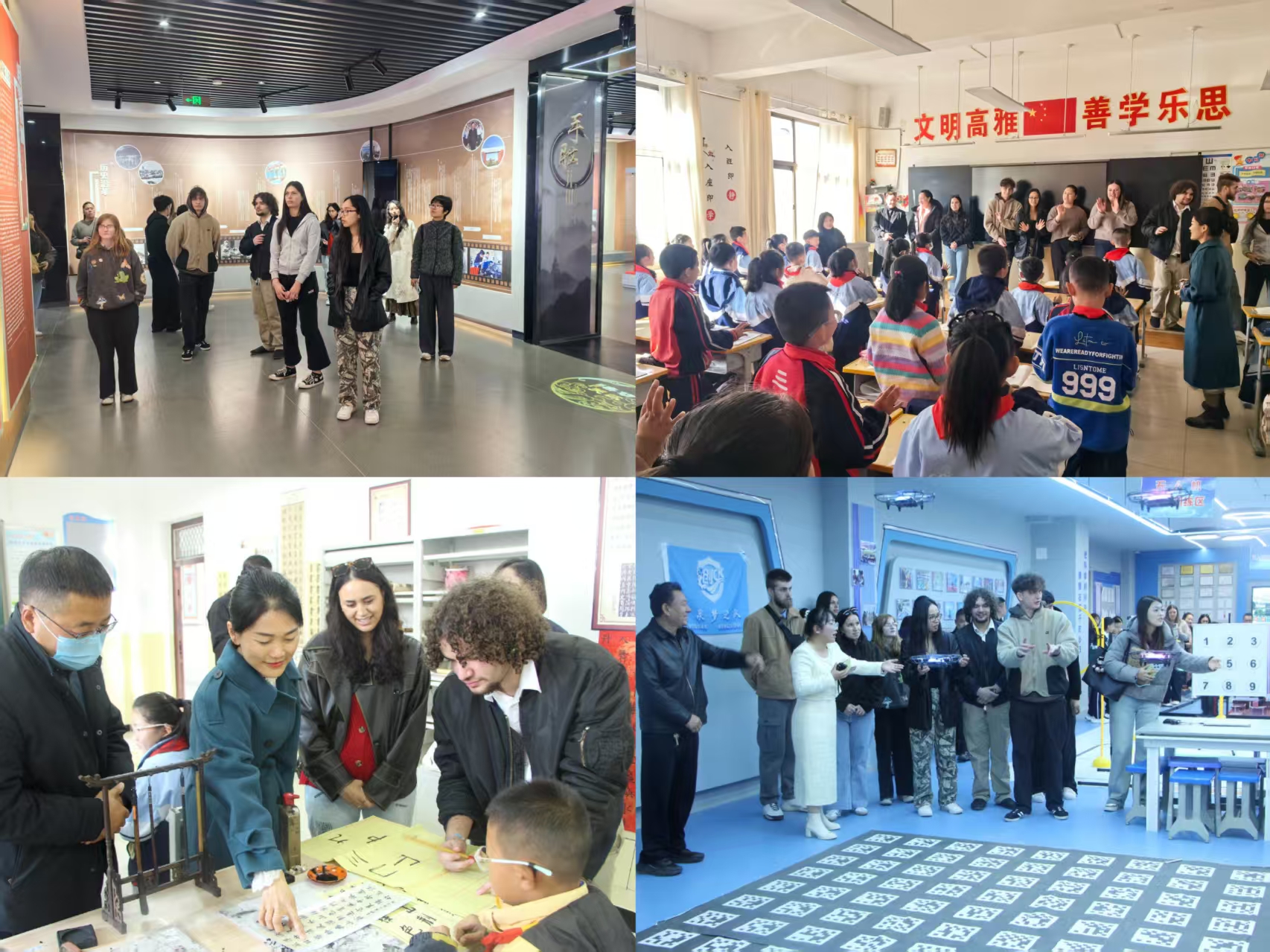
Rangatahi and Education Pathways
For many iwi, the most immediate and meaningful value of international engagement lies in rangatahi opportunity. These experiences strengthen identity while expanding perspective.
- Youth exchange programmes
- Volunteer placements overseas
- Cultural leadership experiences
- Education and language exposure
- Pathways into overseas study
- Confidence-building through global engagement
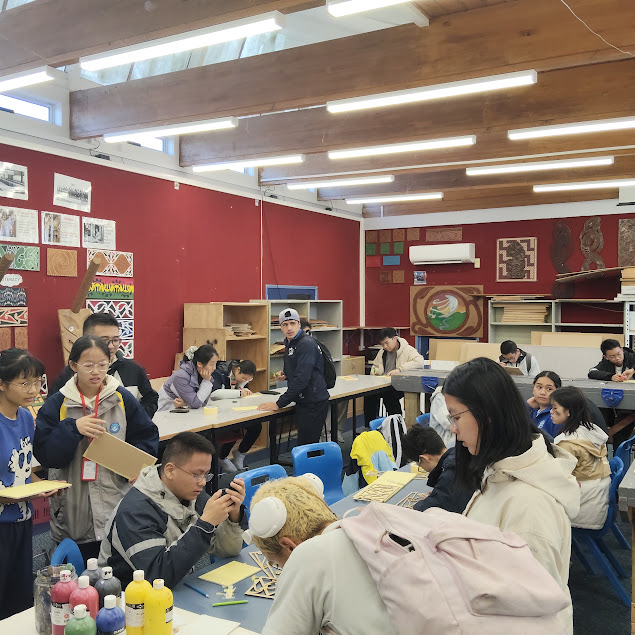
Cultural Exchange and Identity
International partnerships create space to share tikanga and te reo Māori with the world — on iwi terms. These exchanges are grounded in manaakitanga and reciprocity. They are not transactional. They are relational.
- Share tikanga and te reo Māori internationally
- Promote Māori arts and performance
- Engage in indigenous-to-indigenous dialogue
- Exchange knowledge on traditional practices
- Build long-term institutional friendships
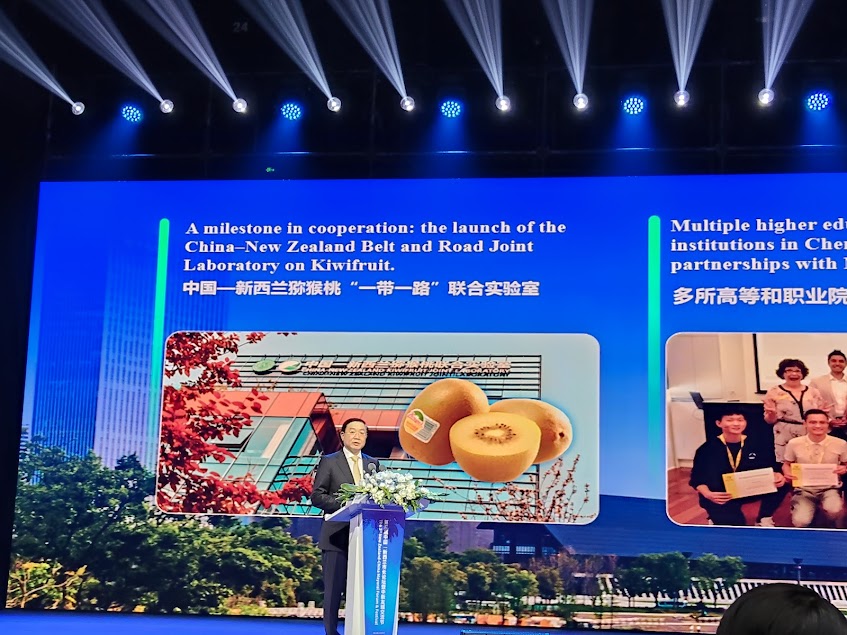
Economic Development and Māori Enterprise
While youth and community are central, international engagement can also support Māori business and enterprise development. Eastern Bridge does not promote unrealistic trade claims — we structure conversations where sector alignment genuinely exists.
- Primary sector collaboration
- Food and beverage export conversations
- Tourism and cultural enterprise
- Creative industries
- Education and training services
- Indigenous economic cooperation
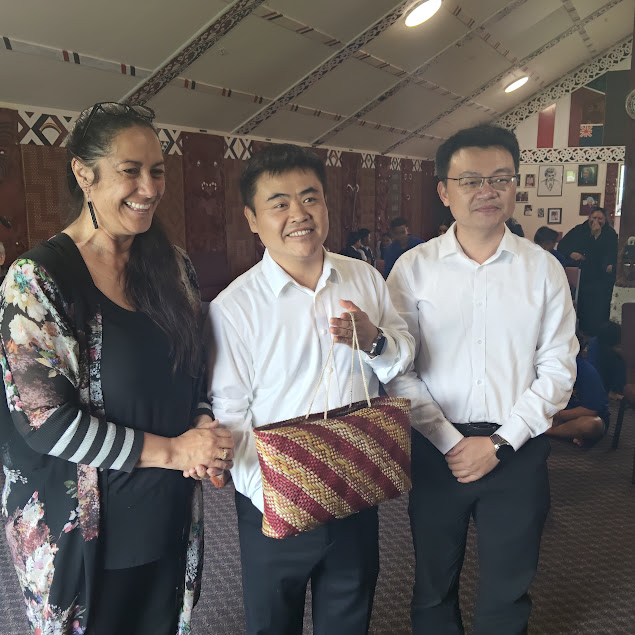
The Jiangxi Cooperative Provincial Framework
Eastern Bridge facilitates a cooperative provincial framework with Jiangxi Province in China. This framework was designed to allow iwi to sit alongside councils as equal participants — not beneath them.
- Direct iwi-to-city relationships
- Participation within a wider provincial umbrella
- Shared visibility with local government partners
- Collective strength while maintaining autonomy
- Structured youth and volunteer exchanges
- Cultural exchange platforms
Managing Relationships Properly
International relationships require clear governance oversight, defined contact points, cultural understanding, ongoing communication, and in-country coordination. Eastern Bridge provides all of this.
- Relationship design and structuring aligned to iwi priorities
- In-country liaison through our Beijing service office
- Delegation coordination and logistical support
- Youth and education programme management
- Governance-aligned documentation and reporting
- Ongoing continuity beyond leadership changes
- Cultural bridging between Māori and Chinese contexts
Beijing Service Office
Eastern Bridge maintains an operational presence in Beijing — providing language fluency, cultural expertise, and in-country coordination that iwi cannot maintain independently.
- Mandarin language capability
- Established institutional relationships
- In-country logistics and coordination
- Cultural interpretation and guidance
Our role is to reduce burden — not increase it. We understand governance environments, reporting requirements, and accountability expectations. Time commitment for iwi staff is minimal. Financial exposure is limited.
How We Work With Iwi
Engagement follows a simple, respectful process. Each step requires iwi endorsement before proceeding. Engagement is staged and reviewed — scaling only where value is demonstrated.
A confidential discussion of aspirations, priorities, and scope. This is an open conversation — there is no obligation and no commitment required at this stage.
We take time to understand your iwi's current situation, existing international relationships (if any), and what outcomes would be most meaningful for your community.
Formal endorsement from iwi leadership for structured international engagement. No activity commences without this mandate.
We work within your governance structures and timelines — not ours. The form of endorsement is determined by your iwi authority.
A designated liaison within the iwi authority — the primary contact for all Eastern Bridge communications and coordination.
This person does not need specialist international experience. Eastern Bridge provides the expertise. The contact person provides the iwi connection and governance link.
Establishing intent without financial or legal exposure. This document sets out the scope, governance, and expectations of the relationship — but creates no binding obligations beyond agreed activity.
Agreements are drafted in plain language and reviewed by iwi governance before signing.
A structured pilot initiative — typically a youth exchange, education partnership, cultural initiative, or sector dialogue — designed around your iwi's priorities.
- Scoped and agreed in advance
- Managed end-to-end by Eastern Bridge
- Pastoral care and oversight provided for youth activities
- Reported back to iwi governance on completion
Scaling only where value is demonstrated. After each pilot activity, Eastern Bridge provides a structured review — assessing outcomes against the agreed objectives.
Expansion is only recommended where clear value has been demonstrated and iwi governance endorses further engagement. There is no pressure to scale.
International relationships should not be rushed. They are intergenerational. When managed carefully, they become part of an iwi's enduring legacy.
Eastern Bridge exists to provide the structure and continuity required to support iwi in engaging internationally with confidence and autonomy — for this generation and the next.
Begin the Kōrero
We welcome an open, no-obligation conversation about your iwi's aspirations and how structured international engagement might support them — on your terms, at your pace.