
Screens, Wetlands, and Masks: How the Eastern Bay–Jiangxi Relationship Endured COVID-19
With borders closed and travel suspended, the Eastern Bay of Plenty–Jiangxi sister province relationship adapted — pivoting to online school exchanges, a cross-Pacific ecology programme, and a gesture of solidarity in the form of a PPE shipment from Jiangxi to the Eastern Bay.
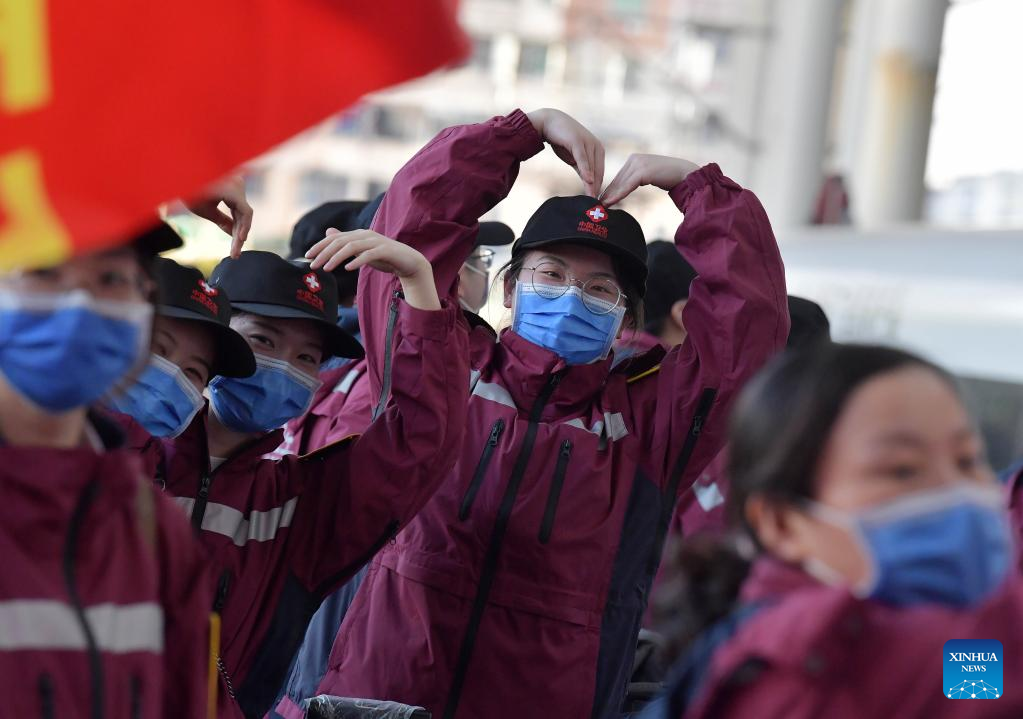
When the COVID-19 pandemic closed New Zealand's borders in March 2020, it brought an abrupt halt to the physical exchanges and in-person visits that had been planned as the next phase of the Eastern Bay of Plenty–Jiangxi sister province relationship. A reciprocal Jiangxi delegation to the Eastern Bay, which had been anticipated for 2020 following the landmark June 2019 visit, was postponed indefinitely. The agribusiness follow-up programme was similarly suspended. For a relationship still in its early stages, the pandemic posed a genuine test.
What emerged over the following months, however, was not stagnation but adaptation. Facilitated by Eastern Bridge and supported by the Jiangxi International Department, the relationship found new expression through a series of online exchanges that proved, in some respects, more inclusive than any physical visit could have been. Students who would never have been part of a delegation to China found themselves in direct conversation with their counterparts across the Pacific. Community members who had no prior connection to the relationship joined ecology discussions that transcended geography. And in a gesture that captured the spirit of the partnership, Jiangxi sent a shipment of PPE — face masks and COVID-19 rapid tests — as a gift to the Eastern Bay of Plenty communities.
A Relationship That Started Strong
The Eastern Bay of Plenty–Jiangxi sister province relationship had, by any measure, begun exceptionally well. The June 2019 delegation to Nanchang had produced signed friendship agreements between the Eastern Bay of Plenty Joint Committee and the Jiangxi Provincial Government, individual memoranda of understanding between each of the three district councils and their designated Jiangxi city partners, and a combined investment of approximately NZD $500,000 in scholarships and a Bay of Plenty Promotion Centre at Jiangxi Normal University. The relationship had real foundations — and it was those foundations that allowed it to adapt when the pandemic struck.
"The pandemic didn't pause the relationship — it changed its form. If anything, the online exchanges have broadened participation beyond what any physical delegation could achieve. Students and community members who would never have travelled to China are now genuinely connected to people in Jiangxi."
— Simon Appleton, Eastern Bridge
School Online Exchanges
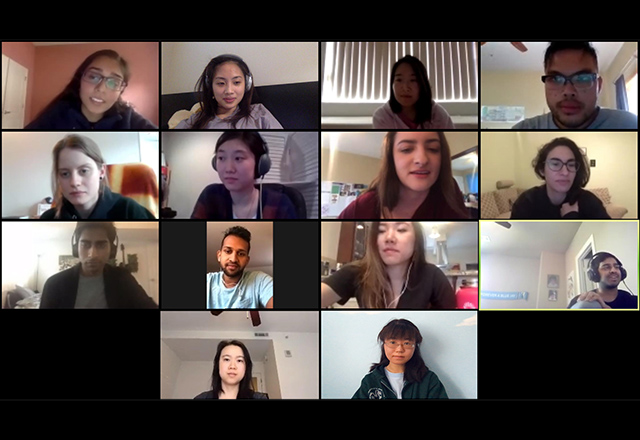
The most structured activity during 2020 has been a series of online school exchanges between Eastern Bay institutions and their Jiangxi counterparts. Five schools participated across the year: Ōpōtiki College, Whakatāne High School (Trident), Kawerau's Tāwera College, Te Puke High School, and Whakatāne Intermediate. Each school connected with a partner school in Jiangxi Province, with sessions facilitated by Eastern Bridge and conducted via video conferencing.
The exchanges covered a range of topics — from language and culture to geography, food, and daily school life. For many students, the sessions provided their first direct interaction with a peer from China, challenging assumptions and building genuine curiosity. Teachers reported that the exchanges generated significant engagement, with students preparing presentations, learning basic Mandarin phrases, and asking questions that extended well beyond the formal session time. The format also allowed for greater flexibility than a physical exchange: schools could participate without the cost or logistical complexity of international travel, and sessions could be scheduled around the school calendar.
The Ecology Exchange: An Unexpected Highlight
Perhaps the most remarkable development of 2020 was an exchange that nobody had planned. During one of the early online sessions, a group of Jiangxi high school students chose to present on their local natural environment — specifically, the wetlands and waterways of Poyang Lake, located in northern Jiangxi Province. They spoke about the lake's migratory birds, its seasonal flooding patterns, and the community efforts to protect the habitat from agricultural and industrial encroachment.
The response from Eastern Bay students was immediate and unexpected. Many had assumed China was predominantly urban — a landscape of factories, skyscrapers, and dense cities. The revelation that Jiangxi contained vast areas of extraordinary natural beauty, including China's largest freshwater lake and one of the world's most important wintering grounds for migratory waterbirds, fundamentally shifted their perception. Students began asking questions about the Siberian Crane — a critically endangered species that winters at Poyang Lake — and drawing comparisons with the Eastern Bay's own rivers, lakes, and coastal waterways.
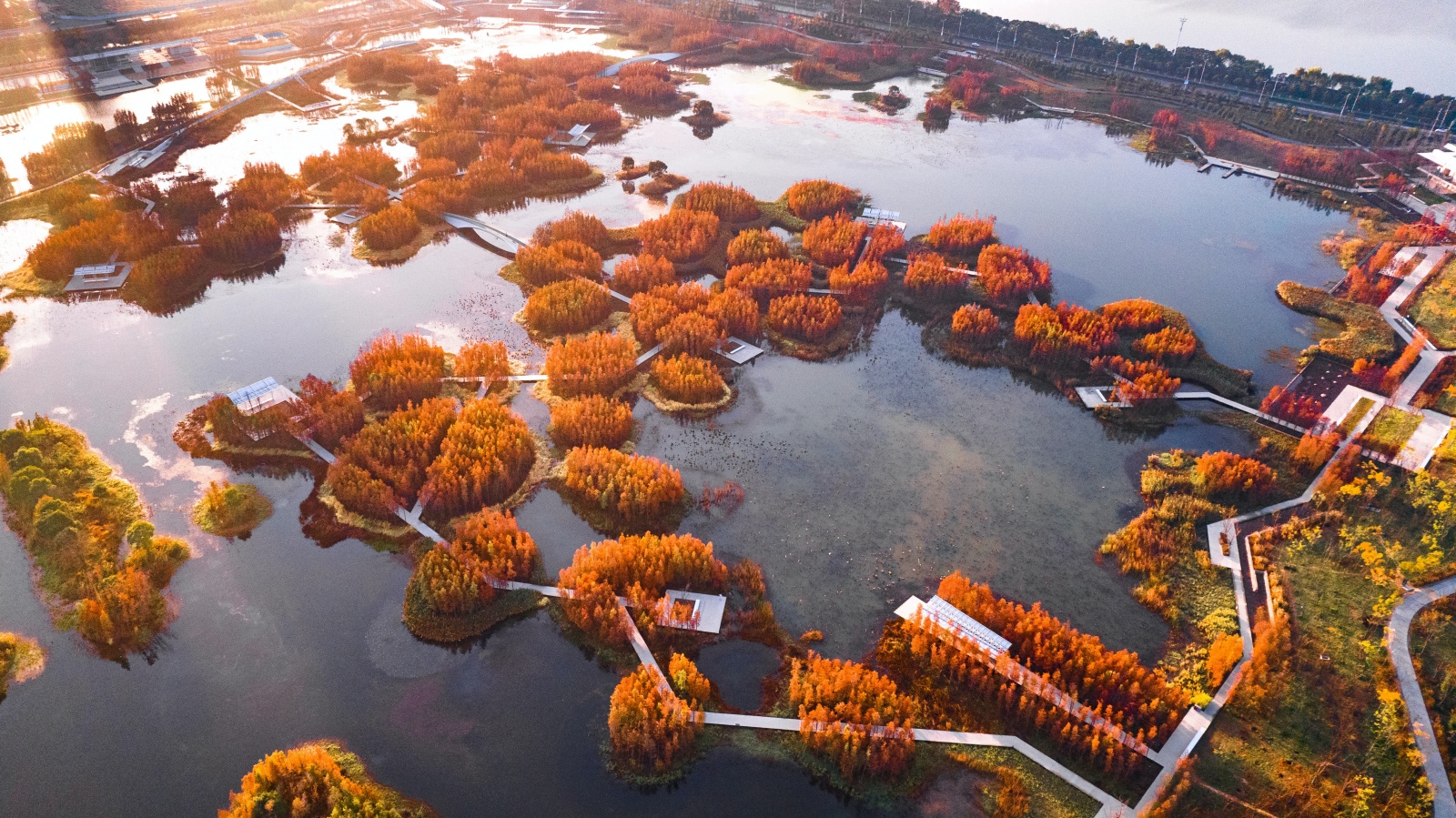
What began as a single presentation has since evolved into an ongoing ecology exchange programme, bringing together students and community members from both regions to share knowledge, compare environmental challenges, and explore common values around the protection of rivers, lakes, and natural habitats. Eastern Bay participants have shared information about the Ōhiwa Harbour, the Rangitāiki River, and the region's kiwi and shorebird conservation efforts. Jiangxi participants have continued to share updates on Poyang Lake, including the seasonal arrival of cranes and the work of local conservation groups.
The exchange has drawn in community members beyond the school system — local iwi representatives, conservation volunteers, and regional council staff have all participated in sessions, giving the programme a breadth and depth that goes well beyond a standard school exchange.
Civic Exchanges and the PPE Gift
Alongside the school and community exchanges, the local governments of Ōpōtiki, Whakatāne, and Kawerau have maintained regular online contact with the Jiangxi International Department — the provincial government body responsible for managing Jiangxi's international relationships. These civic exchanges have kept the formal government-to-government dimension of the relationship active during a period when physical meetings were impossible, and have allowed both sides to stay informed about each other's COVID-19 experience and response.
In a gesture that reflected both the strength of the relationship and the broader pattern of Chinese provincial governments supporting their international partners during the pandemic, the Jiangxi Provincial Government arranged a shipment of personal protective equipment (PPE) as a gift to the Eastern Bay of Plenty. The shipment included face masks and COVID-19 rapid antigen tests, and was received by the Eastern Bay of Plenty Joint Committee on behalf of the three district councils.
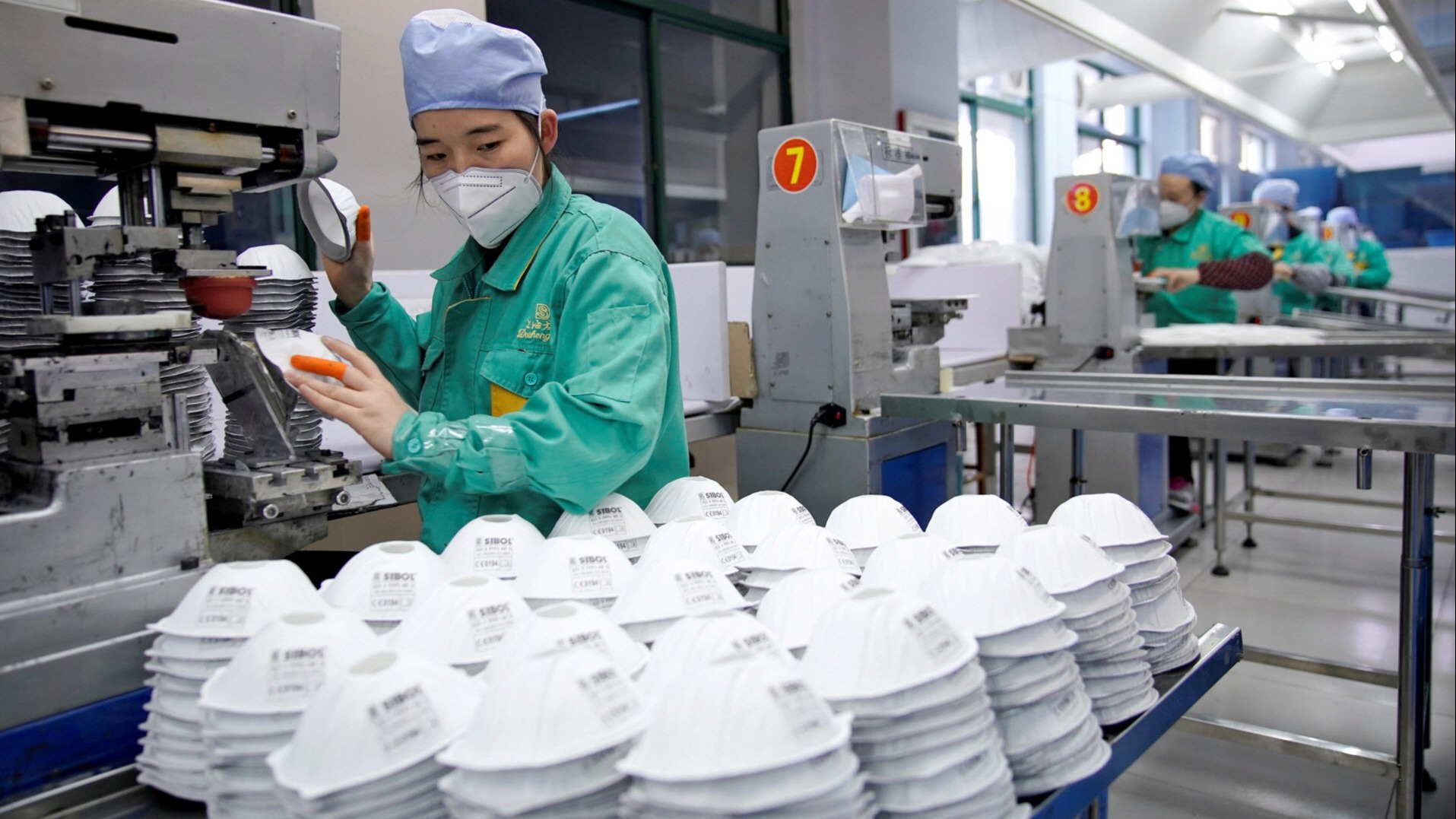
The gesture was consistent with a broader pattern seen across New Zealand's sister city relationships with China during 2020. Several Chinese provinces and cities sent PPE to their New Zealand counterparts during the pandemic, reflecting both the depth of the personal relationships that had developed and China's early recovery from COVID-19, which gave Chinese provinces the capacity to assist international partners while New Zealand was still managing its own response. For the Eastern Bay, the shipment was a tangible demonstration that the Jiangxi relationship was real, reciprocal, and valued.
The Relationship in Context
New Zealand entered Alert Level 1 — the lowest level of COVID-19 restrictions — in June 2020, allowing domestic life to return largely to normal. However, international borders remained closed, and the prospect of physical travel to or from Jiangxi remained distant throughout the remainder of the year. This context made the online exchange programme not merely a temporary substitute for in-person activity, but a genuinely valuable programme in its own right.
| Exchange Programme | Participants | Status (Nov 2020) |
|---|---|---|
| School Online Exchanges | Ōpōtiki College, Trident High School, Tāwera College, Te Puke High School, Whakatāne Intermediate | Active — ongoing |
| Ecology Exchange | Students, community members, iwi, conservation volunteers from both regions | Active — growing |
| Civic Online Exchange | Ōpōtiki, Whakatāne, Kawerau councils + Jiangxi International Department | Active — regular sessions |
| PPE Gift Shipment | Jiangxi Provincial Government → Eastern Bay of Plenty Joint Committee | Completed — received |
| Reciprocal Delegation | Jiangxi delegation to Eastern Bay of Plenty | Postponed — planned for 2021 |
Looking Ahead
The Eastern Bay of Plenty–Jiangxi relationship enters 2021 in a stronger position than many might have expected given the disruptions of the past year. The online exchange programme has created new connections and broadened the base of participation beyond what any physical delegation could have achieved. The ecology exchange, in particular, has opened a dimension of the relationship that was not part of the original framework — and one that has the potential to generate genuine cross-Pacific collaboration on environmental issues of shared importance.
When borders reopen and physical travel resumes, the relationship will have a richer foundation to build on. The reciprocal Jiangxi delegation to the Eastern Bay of Plenty, postponed from 2020, remains a priority, and Eastern Bridge is working with the Jiangxi International Department to plan the visit for as soon as conditions allow. In the meantime, the online exchanges will continue — and the unexpected lesson of 2020 is that screens, for all their limitations, can build real connections across the Pacific.
"We went into 2020 expecting to host a Jiangxi delegation in the Eastern Bay. We ended up with something different — but in some ways, more valuable. The ecology exchange alone has connected more people to Jiangxi than any single delegation visit could have."
— Simon Appleton, Eastern Bridge