
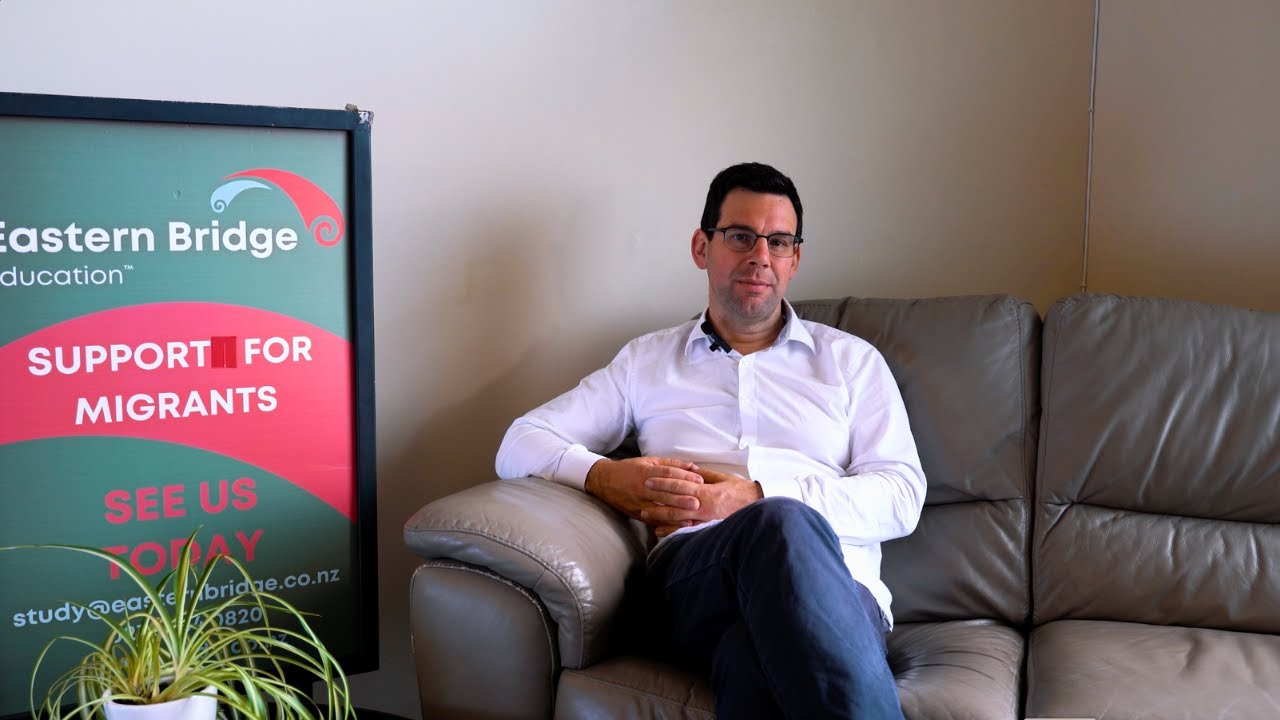
Migration has played a central role in shaping Aotearoa New Zealand. From the first Polynesian navigators who settled these islands centuries ago, to later European arrivals and more recent migrants from Asia, the Pacific, Africa, and the Middle East, New Zealand has developed as a diverse society shaped by the movement of people and ideas. Today, migrants contribute as workers, entrepreneurs, students, innovators, cultural ambassadors, and community members — yet they are too often the subject of negative public narratives that the data simply does not support.
Migration Has Always Shaped Aotearoa
Migration continues to be a critical component of New Zealand's social and economic development. Migrants contribute to the country as workers, entrepreneurs, students, innovators, cultural ambassadors, and community members. However, despite their contributions, migrants are sometimes portrayed negatively in public discourse. In periods of economic stress or social change, migrants are occasionally blamed for problems such as housing shortages, infrastructure pressure, or crime. Yet the available data tells a very different story.
"Evidence consistently shows that migrants tend to be economically productive, socially engaged, and law-abiding members of society — contributing more to the economy than they receive in public services."
Migration in New Zealand Today
New Zealand is one of the world's most migrant-driven societies. Approximately one in four people living in New Zealand were born overseas, placing the country among the highest proportions of foreign-born residents in the OECD. Migrants come from a wide range of countries, with India, China, and the Philippines among the largest sources of recent arrivals.
Migration occurs through several pathways, each serving a distinct social or economic function:
- Skilled migration — addressing labour shortages in key sectors
- Family reunification — supporting established migrant communities
- International education — contributing to the tertiary sector
- Seasonal labour programmes — supporting horticulture and agriculture
- Humanitarian resettlement — approximately 1,500 refugees annually
- Investor and entrepreneur pathways — driving business creation and capital
These migration streams contribute to a dynamic population that supports economic growth and community development across the country.

Economic Contributions of Migrants
Workforce Participation
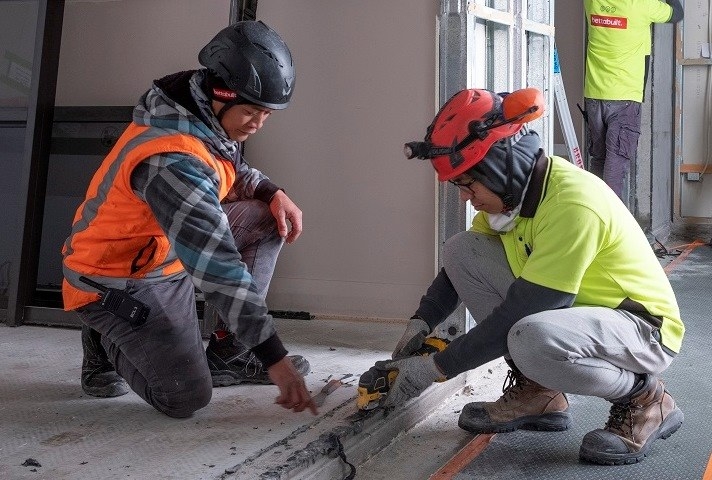
Migrants play a critical role in New Zealand's labour market. Many migrants arrive through skilled migration pathways designed to address labour shortages in key sectors such as healthcare, engineering, construction, information technology, and agriculture. Because migration policies often prioritise people with education, skills, and employment prospects, migrants tend to have high labour-force participation rates.
In practical terms, migrants are typically more likely to be employed than the general population, less likely to receive welfare benefits, and more likely to contribute tax revenue across their working lives.
Entrepreneurship and Business Creation
Migrants are disproportionately represented among business owners and entrepreneurs. International research consistently shows that migrants are more likely to start businesses than native-born populations. This pattern is visible in New Zealand, where migrant-owned businesses play an important role in sectors such as hospitality, retail, technology, manufacturing, and export trading.
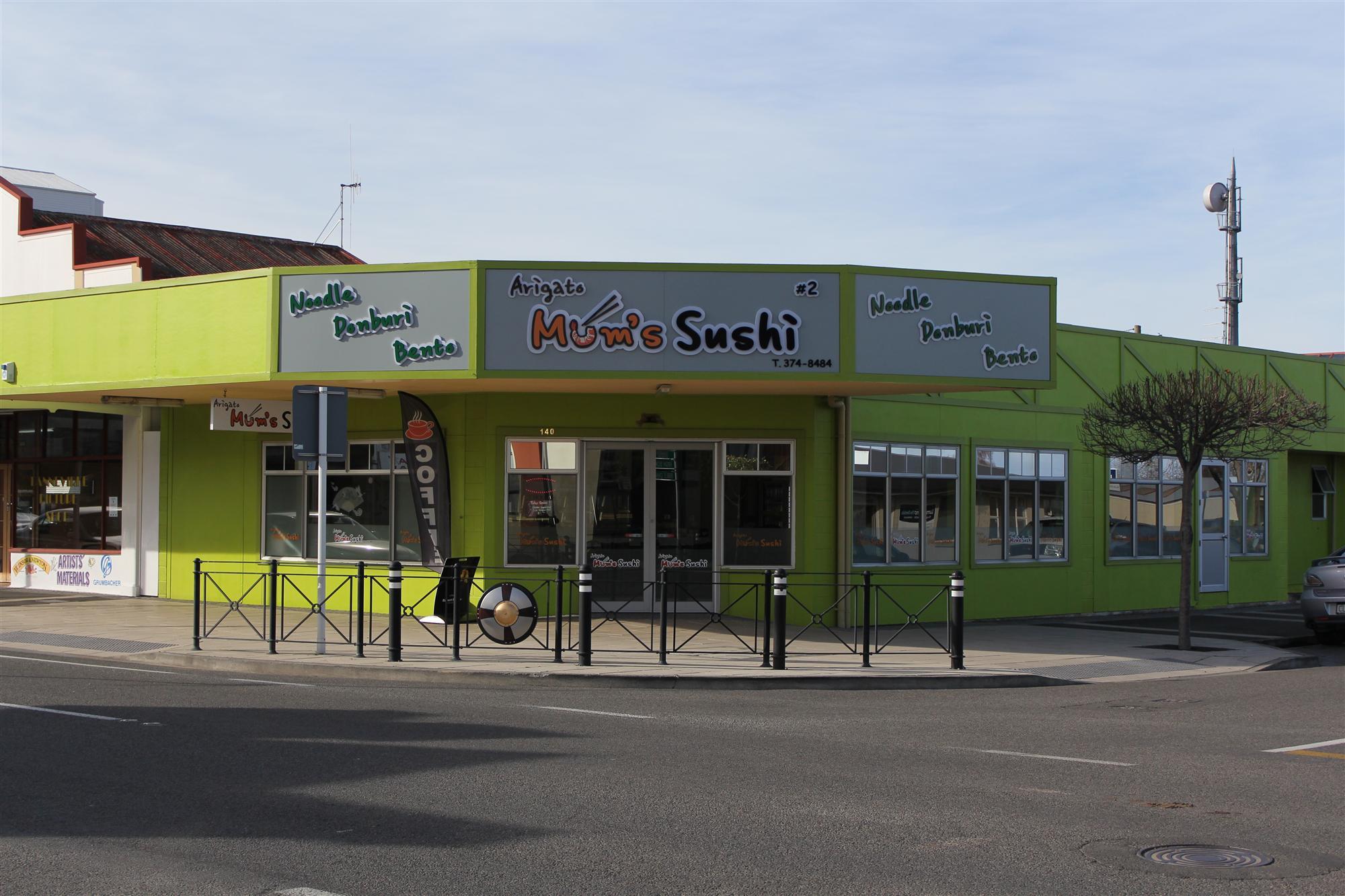
Entrepreneurial migrants often bring international networks, language skills, and cultural understanding that help New Zealand companies access overseas markets. These businesses generate employment opportunities, tax revenue, innovation, and competition — and in many communities, migrant-owned small businesses have revitalised previously declining retail areas and town centres.
International Trade and Investment
Migrants also play a vital role in connecting New Zealand to global markets. New Zealand's economy relies heavily on international trade. Migrants bring valuable knowledge of foreign markets, consumer behaviour, and business culture. These international connections often facilitate export partnerships, foreign investment, tourism flows, and educational exchanges. For example, migrant entrepreneurs frequently help New Zealand companies enter Asian markets by bridging language and cultural gaps — a capability that is increasingly important for a geographically isolated country.
Contribution to Regional Economies
Migration benefits are not limited to large cities. Regional New Zealand often experiences labour shortages and population decline, particularly in rural areas. Migrants help address these challenges by filling essential roles in horticulture, agriculture, healthcare, construction, and food manufacturing. In some communities, migrants have helped sustain local schools, businesses, and services by stabilising population levels.
Migrants Sustain Regional New Zealand
Seasonal workers in horticulture regions help maintain productivity in industries such as kiwifruit, apples, and wine. Skilled migrants working in regional hospitals and aged-care facilities help ensure essential healthcare services remain available. Without migrants, many regional economies would face significant labour constraints and population decline.
Crime, Safety, and the Evidence
A common misconception is that migrants increase crime rates. However, available evidence does not support this claim. Research consistently shows that migrants are less likely to commit crimes than the native-born population.
These findings reflect several factors: migrants often undergo background checks before entering the country; many migrants move to New Zealand specifically for education or employment; migrants have strong incentives to maintain legal status and employment; and New Zealand immigration policy includes strict character requirements, meaning serious offenders may face deportation.
International studies have also found that areas with higher immigration levels often experience lower rates of robbery, burglary, and violent crime. Overall, migrants contribute to safe communities rather than undermining them.
Social and Cultural Contributions
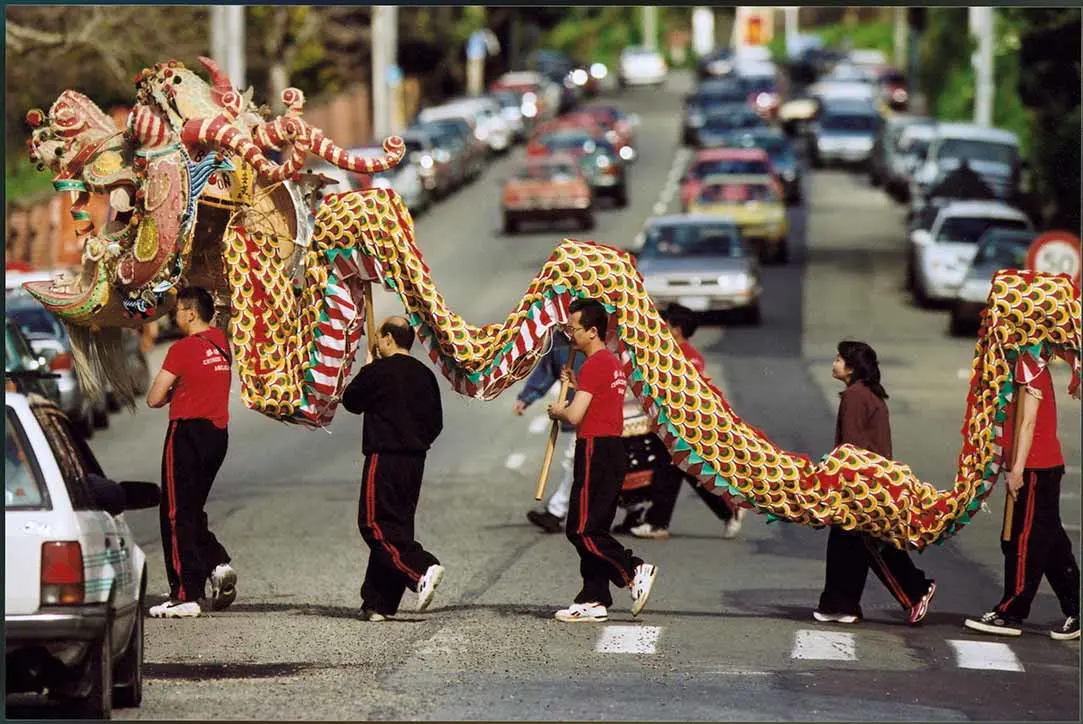
Beyond economics, migrants enrich New Zealand society in many ways. Migration has transformed New Zealand into a culturally diverse society. New languages, cuisines, cultural traditions, and perspectives have become part of everyday life — contributing to vibrant communities, cultural exchange, and greater global awareness.
Lydia Ko — Olympic Medallist, Korean-Born New Zealander
Born in Seoul, South Korea, and raised in New Zealand, Lydia Ko became the world's top-ranked female golfer and a two-time Olympic medallist. Her story is one of many that illustrate how migrants and their families enrich New Zealand's national identity and achievement.
Addressing Misconceptions
Despite the evidence of migrant contributions, negative narratives about migrants occasionally gain traction in public debates. In times of economic uncertainty, migrants may be blamed for challenges such as housing affordability or infrastructure pressures. However, these issues are typically the result of complex policy decisions involving planning, housing supply, and investment in infrastructure. Migration is rarely the primary cause.
Data consistently shows that migrants contribute significantly to the economy and are not responsible for increased crime or social instability. Understanding these realities is essential for maintaining constructive and informed public discussions about migration.
"The challenge for policymakers and communities is not whether migrants belong in New Zealand, but how best to support their integration and participation."
The Role of Local Government
Local governments play a crucial role in supporting migrant integration. Many councils across New Zealand participate in initiatives such as the Welcoming Communities programme, which helps migrants settle successfully and become active members of local society.

Supportive local government policies can include multilingual information services and translated council communications; community engagement programmes that reach migrant communities; cultural celebrations and events that build cross-community connections; employment support initiatives and workplace literacy programmes; and partnerships with migrant community organisations and ethnic associations. These initiatives help ensure that migrants can fully participate in local economies and communities — generating returns that benefit the entire region.
Building Inclusive Communities
Communities that embrace diversity tend to experience stronger economic and social outcomes. Inclusive communities foster economic innovation, cultural vibrancy, social cohesion, and global connectivity. When migrants feel welcomed and supported, they are more likely to invest in businesses, purchase homes, raise families, and contribute to civic life — benefits that flow to the entire community.
Conclusion — A Thriving, Inclusive Society
Migrants have long been part of New Zealand's story. Far from being a burden, migrants contribute significantly to the country's economy, communities, and cultural life. They are more likely to be employed, more likely to start businesses, and less likely to commit crimes than many public narratives suggest.
Their contributions help strengthen regional economies, connect New Zealand to global markets, and enrich the social fabric of the nation. The challenge for policymakers and communities is therefore not whether migrants belong in New Zealand, but how best to support their integration and participation.
When migrants are welcomed and given the opportunity to succeed, the entire community benefits. A thriving, inclusive society — one that values diversity and opportunity — is not only more just, but also more prosperous.
Supporting Migrant Integration Across New Zealand
Eastern Bridge Education works with local governments, iwi, and community organisations across New Zealand to support migrant integration, deliver English language and acculturation training, and build the cross-cultural capability needed to make diverse communities thrive. Programmes are delivered in Napier, Hastings, Rotorua, Whakatāne, and Ōpōtiki, with expansion to new regions planned.
Get in Touch- Statistics New Zealand. 2023 Census — Place of birth. 2024. stats.govt.nz
- New Zealand Police. Apprehension data by ethnicity. 2023. police.govt.nz
- Immigration New Zealand. Migration pathways and visa categories. 2024. immigration.govt.nz
- Ministry of Business, Innovation and Employment. Migrant labour market outcomes. 2023. mbie.govt.nz
- OECD. International Migration Outlook 2024. oecd.org
- New Zealand China Council. NZ–China Relationship Dashboard. 2024. nzchinacouncil.org.nz
- Immigration New Zealand. Refugee and humanitarian resettlement programme. 2024. immigration.govt.nz