A Bridge Between Worlds: Fostering Dialogue Through Cultural Exchange
In a world where global connections are often defined by trade and politics, the most profound exchanges can be those of knowledge and culture. This case study documents one such exchange: a three-month programme where Māori volunteers, skilled in the traditional healing arts of Rongōa Māori, were hosted by the prestigious Chengdu University of Traditional Chinese Medicine in Sichuan, China.
Facilitated by Eastern Bridge, the initiative was designed not to merge these two ancient traditions, but to place them in respectful dialogue. The goal was to foster mutual understanding, empower Māori practitioners to articulate their knowledge on a global stage, and strengthen the New Zealand–China relationship at its most fundamental level: people to people. The programme became a living exploration of shared philosophies and unique differences, yielding powerful insights for the future of cultural diplomacy and the global recognition of indigenous knowledge systems.
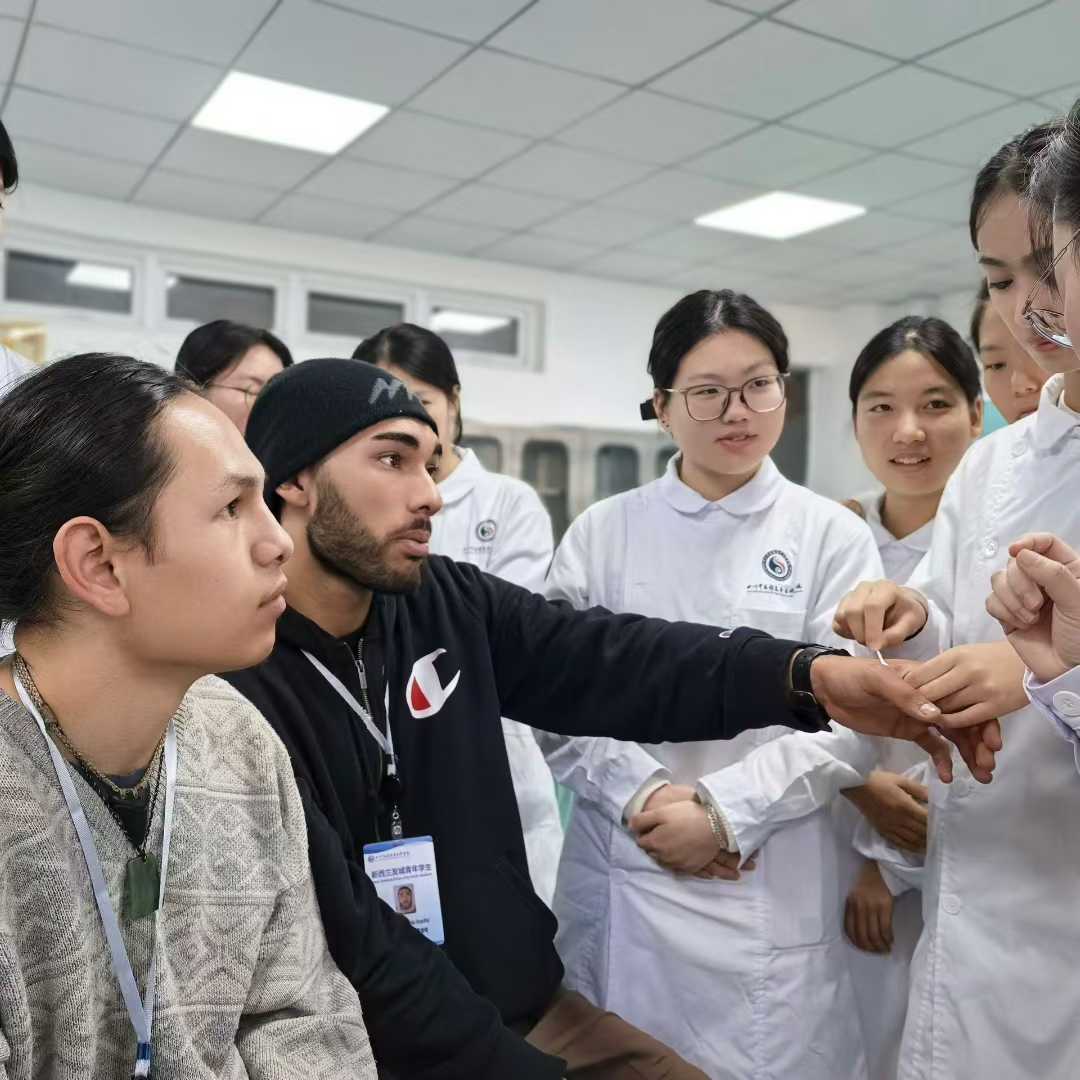
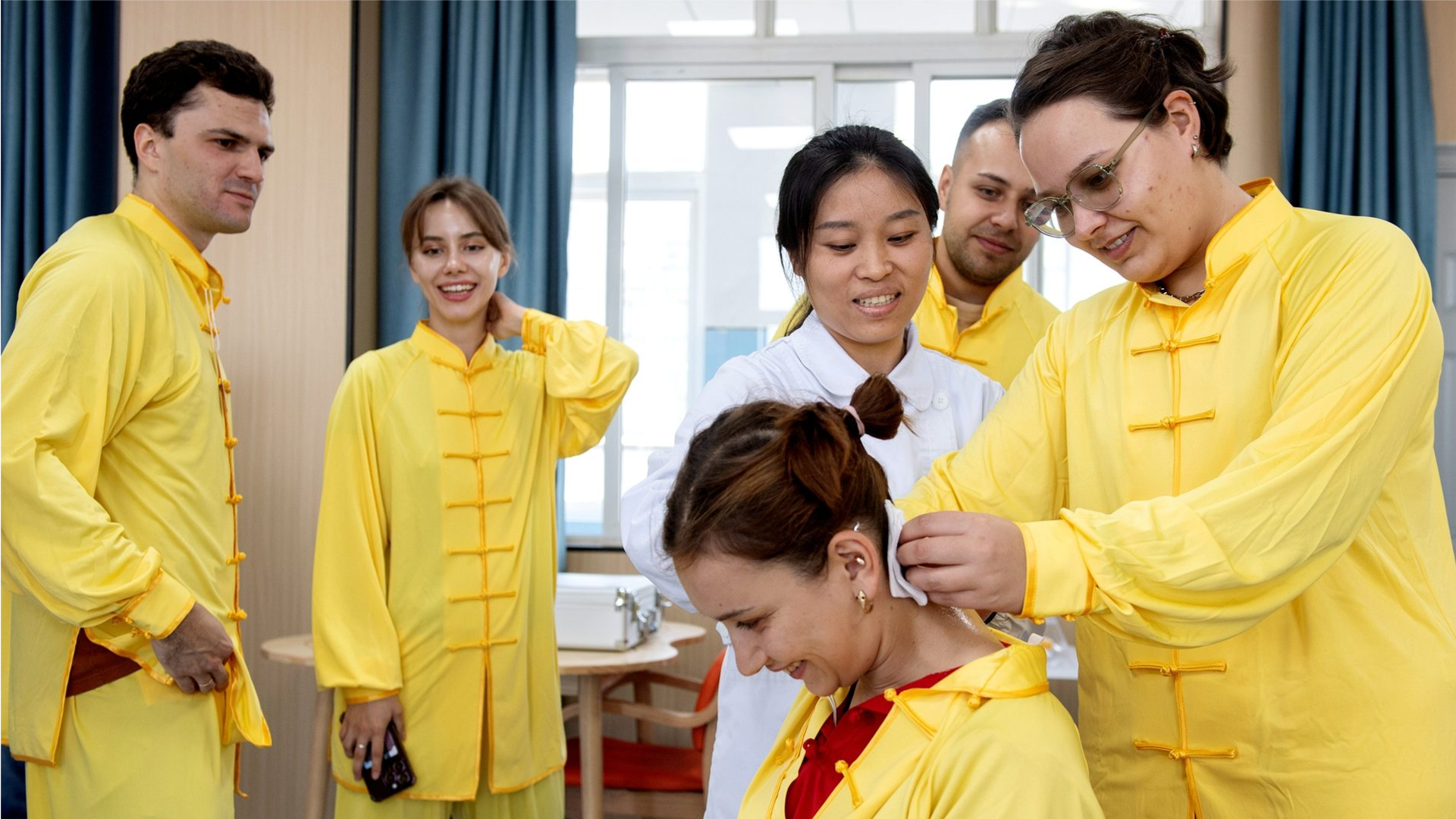
New Zealand volunteers experiencing Traditional Chinese Medicine first-hand at the Chengdu University of TCM — a foundation of mutual understanding.
Two Traditions, Two Contexts: A Global Perspective
To understand the significance of this exchange, one must first appreciate the distinct worlds from which Rongōa Māori and Traditional Chinese Medicine (TCM) emerge. While both are holistic systems concerned with wellbeing, their institutional and cultural contexts are vastly different.
Traditional Chinese Medicine (TCM) is a cornerstone of China's national identity and its healthcare system. With a history spanning over 2,000 years, it is a highly codified and institutionalised field. As of 2023, China had nearly 5,000 dedicated TCM hospitals, and the practice is deeply integrated into mainstream healthcare, research, and education. The host institution, the Chengdu University of Traditional Chinese Medicine, founded in 1956, is one of the oldest and most respected of its kind. This state-level integration is recognised globally, with the World Health Organization (WHO) actively developing strategies to integrate evidence-based traditional medicines like TCM into global health systems.
In contrast, Rongōa Māori, the traditional healing system of New Zealand's indigenous people, is a taonga (treasure) that has journeyed from suppression to revitalisation. Rooted in a Māori worldview (te ao Māori), it is inseparable from concepts of whakapapa (genealogy), whenua (land), and wairua (spirit). For generations, its practice was marginalised. However, recent decades have seen a powerful resurgence. A landmark moment came with its formal recognition by New Zealand's Accident Compensation Corporation (ACC), which now funds Rongōa services for injury rehabilitation — a critical step moving Rongōa from the cultural periphery towards a recognised place within the national wellness landscape.
Sources: National Administration of Traditional Chinese Medicine (2023); New Zealand Ministry of Health Rongōa Māori estimates.
Facilitating a Dialogue of Equals
The primary challenge was not to solve a problem, but to seize an opportunity: how to create a genuine, respectful, and meaningful dialogue between two vastly different healing traditions? The key risks were superficiality and the imposition of a dominant framework. A successful exchange needed to avoid simply presenting Rongōa Māori as a "cultural curiosity" within the highly structured world of TCM.
Creating an environment where Māori volunteers felt empowered to share their knowledge on their own terms, respecting the sacredness and cultural context of Rongōa.
Bridging the gap between TCM's codified, clinical language and Rongōa's holistic, narrative-based approach to healing.
Designing a programme that went beyond passive observation to enable active participation, comparison, and mutual learning.
Acting as a facilitator and cultural broker, not an interpreter of knowledge, ensuring the dialogue remained directly between the practitioners themselves.
What the Programme Set Out to Achieve
Eastern Bridge, in partnership with Māori advisors and the Sichuan Institute, established four core objectives for the exchange programme:
| Objective | How It Was Measured | Status |
|---|---|---|
| Foster Deep Knowledge Exchange | Volunteer feedback, comparative workshops, and documented learning sessions. | Achieved |
| Enhance Cultural Articulation | Volunteers' ability to articulate Rongōa concepts in a comparative, international context. | Achieved |
| Build Institutional Relationships | Formalising a partnership between Eastern Bridge and the Sichuan Institute for future exchanges. | Achieved |
| Create a Replicable Model | Documenting the process to serve as a blueprint for future non-commercial, knowledge-based exchanges. | Achieved |
The Architect of the Exchange
Eastern Bridge was the catalyst and facilitator of this unique programme. Our role was not to be experts in either healing tradition, but to be experts in creating the conditions for a successful exchange. This involved a multi-faceted approach:
We worked for over a year with Māori community leaders and the international office of the Chengdu University of TCM to design a programme that was culturally appropriate, academically rigorous, and logistically sound. This ensured the exchange was built on a foundation of mutual respect and shared goals from the outset.
We managed all logistical aspects of the exchange, including travel, visas, accommodation, and daily support for the volunteers in Chengdu. This comprehensive pastoral care was crucial for allowing the volunteers to focus entirely on their learning experience.
Our bilingual team acted as cultural bridges, facilitating communication and navigating the subtle cultural nuances between the New Zealand and Chinese participants. We organised structured workshops where volunteers could present Rongōa concepts and learn about TCM in a comparative framework.
We initiated, negotiated, and solidified the formal relationship with the Sichuan Institute, creating the official channel through which the exchange could take place and laying the groundwork for future collaboration.
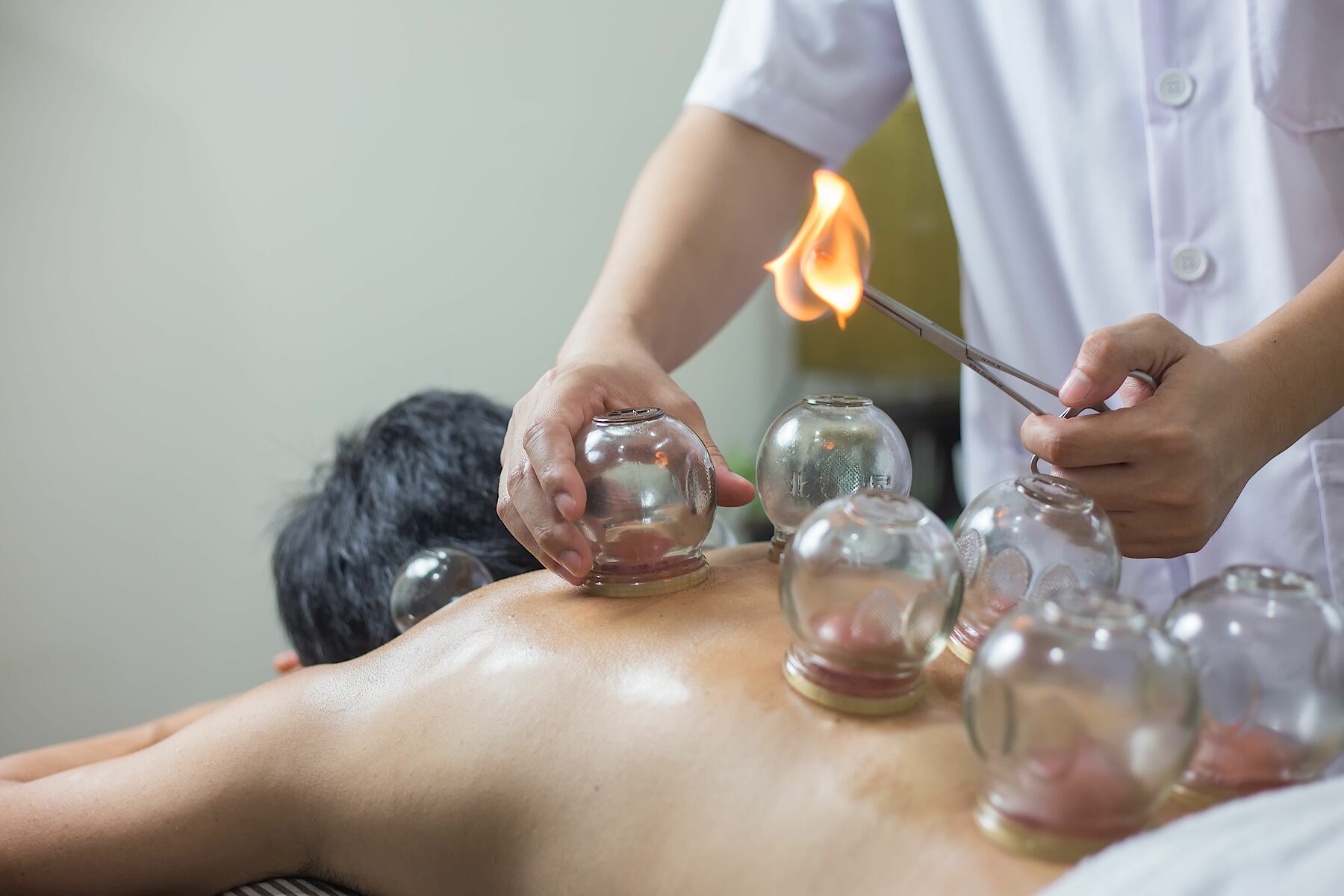
Cupping therapy — one of the ancient TCM techniques that Māori volunteers observed and discussed in the context of their own healing traditions.
A Deeper Understanding on Both Sides
The exchange produced significant and lasting outcomes, not just for the individual participants, but for the broader relationship between the two cultures. The most profound outcome was the shared recognition of a common philosophical ground. Both systems are deeply holistic, viewing health as a state of balance and illness as a disruption of that balance. The volunteers found that concepts like mauri (life force) in Rongōa Māori had a clear conceptual parallel in TCM's qi.
A deep appreciation for the shared holistic philosophies underpinning both Rongōa Māori and TCM, centred on concepts of life force (mauri/qi) and balance.
Māori volunteers developed a stronger vocabulary and greater confidence in explaining Rongōa concepts to an international audience.
The programme forged lasting personal friendships and a formal institutional link, creating a network of cultural ambassadors in both countries.
The exchange provided a successful, replicable blueprint for non-transactional cultural diplomacy based on mutual respect and knowledge sharing.
Strengthening the Foundations of the NZ–China Relationship
The impact of the programme extended far beyond the three months in Sichuan. It created ripples that continue to influence cultural diplomacy, health, and education, demonstrating that the most resilient international relationships are built on a foundation of genuine human connection and mutual respect.
| Area of Impact | Description | Scale |
|---|---|---|
| Cultural Diplomacy | Provided a proven model for non-transactional diplomacy, moving beyond trade to a more meaningful exchange of knowledge and values. | International |
| Indigenous Knowledge | Empowered Māori practitioners by providing a global context for their knowledge and a new language to articulate its value. | National |
| Education | Opened discussions about creating formal educational pathways for comparative studies in traditional medicine in both NZ and China. | Sector-wide |
| Community | Fostered lasting friendships and professional connections, creating a network of cultural ambassadors in both countries. | People-to-People |
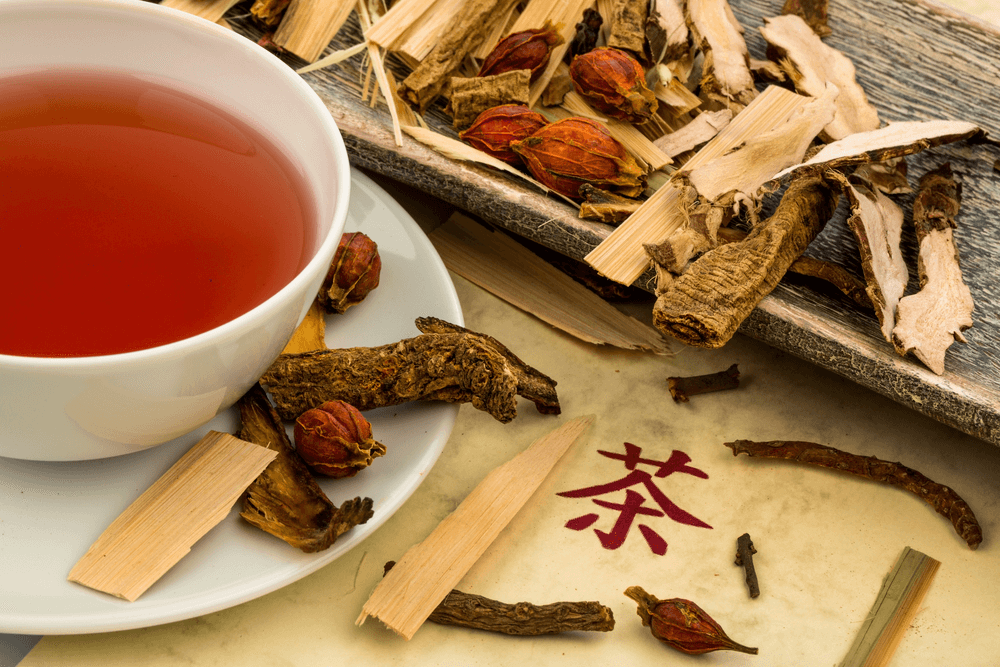
Herbal tea preparation — a daily ritual in TCM practice that drew parallels with the plant-based healing knowledge at the heart of Rongōa Māori.