
+64 022 396 9590 simon@easternbridge.co.nz
Insight Education Economic Development · March 2026 · 12 min read

Sister School Relationships: Educational Exchange
and Economic Opportunity for NZ Communities

Sister school partnerships are far more than symbolic gestures of international goodwill. When properly developed, they generate measurable economic returns for schools and communities — while providing students with life-changing international experiences.

$387K Annual Economic Impact
10 Students + 1 Study Tour
$750K+ Potential Annual Impact
20 Students + 2 Study Tours
$13.5K Average Annual Tuition
per International Student
$400/wk Typical Homestay Fee
Flowing to Local Households
Key Takeaways
  1. A school hosting just 10 international students and one study tour can generate approximately $387,000 in annual economic activity — rising to $750,000+ with 20 students and two tours.
  2. Sister school relationships create structured pathways for international student recruitment, providing schools with sustainable revenue that supports educational programmes and staffing.
  3. Regional schools have unique advantages in attracting international students — safe communities, outdoor recreation, and strong pastoral care — making them well-positioned to compete with urban institutions.
  4. Students who visit New Zealand through exchange programmes often return as full-fee-paying university students, tourists, or business partners — creating long-term value well beyond the initial exchange.

Sister school relationships are formal partnerships between schools in different countries that promote educational exchange, cultural understanding, and international collaboration. While these programmes are often viewed primarily through an educational lens, they also deliver significant economic and community benefits. When properly developed, they can generate new revenue streams for schools, support local tourism and hospitality sectors, and strengthen international connections that benefit regional economies for years to come.
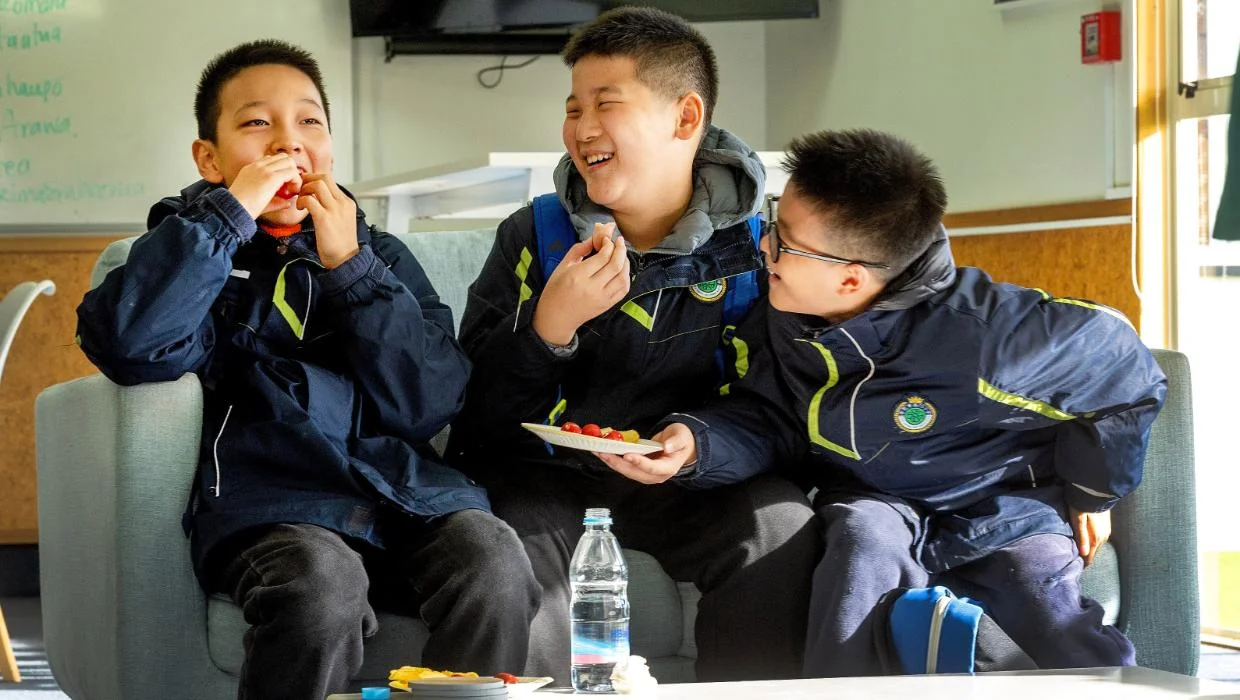
Chinese high school students visiting New Zealand through a sister school exchange programme

Introduction

In New Zealand, many secondary schools maintain sister school relationships with institutions across Asia, Europe, and the Pacific. These partnerships typically involve student exchanges, cultural visits, international study programmes, and collaborative educational projects. For many schools, these relationships have become an important part of their educational identity and international profile.

However, the full economic potential of sister school relationships is often underestimated. Beyond the direct educational value, a well-managed international student programme can generate hundreds of thousands of dollars in annual economic activity — flowing not just to the school, but to host families, local businesses, tourism operators, and the wider community.

"When relationships are nurtured over time, partner schools develop a steady flow of students — creating a sustainable pipeline that benefits both institutions and the communities around them."

— Eastern Bridge

Understanding Sister School Relationships

A sister school relationship is an agreement between two schools in different locations to cooperate on educational activities. These partnerships may include student exchanges, joint cultural programmes, language learning opportunities, and international visits. The core purpose is to provide students with opportunities to interact with peers from different cultures, helping them develop global awareness and intercultural communication skills.

Typical activities in a well-functioning sister school relationship include:

  • Student exchange programmes
  • Study tours and cultural visits
  • Online collaboration between classrooms
  • Language immersion opportunities
  • Teacher exchanges and professional development
  • International student recruitment pathways
Key Context

Sister School Networks in China

China has developed extensive sister school networks within the country itself, linking schools across different provinces. These programmes help students from different regions learn about diverse cultures, economic conditions, and educational approaches — demonstrating the broader value of educational partnerships as tools for relationship building at both national and international levels. For New Zealand schools, China represents one of the most significant and accessible partner markets.

China Asia Cultural Exchange

Youth Development and Global Understanding

One of the most important benefits of sister school relationships is the opportunity they provide for young people to engage with the wider world. Students participating in international exchanges often develop stronger cultural awareness, language skills, and confidence. For many young people in regional New Zealand, sister school programmes provide their first opportunity to travel internationally and interact with peers from other cultures.
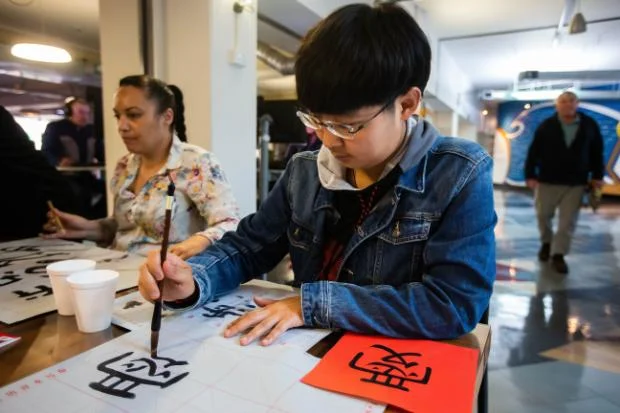
New Zealand student learning Chinese calligraphy — immersive cultural experiences build lasting international connections
A New Zealand student learning calligraphy — the kind of immersive cultural experience that builds lasting international connections and genuine cross-cultural understanding.

Equally important is the experience for local students who host visiting international students. Hosting provides an opportunity to learn about different cultures without leaving home and encourages empathy, curiosity, and respect for diversity. Over time, these personal connections build long-lasting friendships that contribute to broader international goodwill.

Pathways to International Education

Sister school relationships also create pathways for long-term international education opportunities. Students who visit New Zealand through exchanges or study tours may later return as full-fee-paying international students. Similarly, New Zealand students who participate in exchanges may pursue overseas study opportunities. International education has become one of New Zealand's most valuable service exports, and sister school relationships provide a structured way to attract international students while building trust with partner institutions overseas.
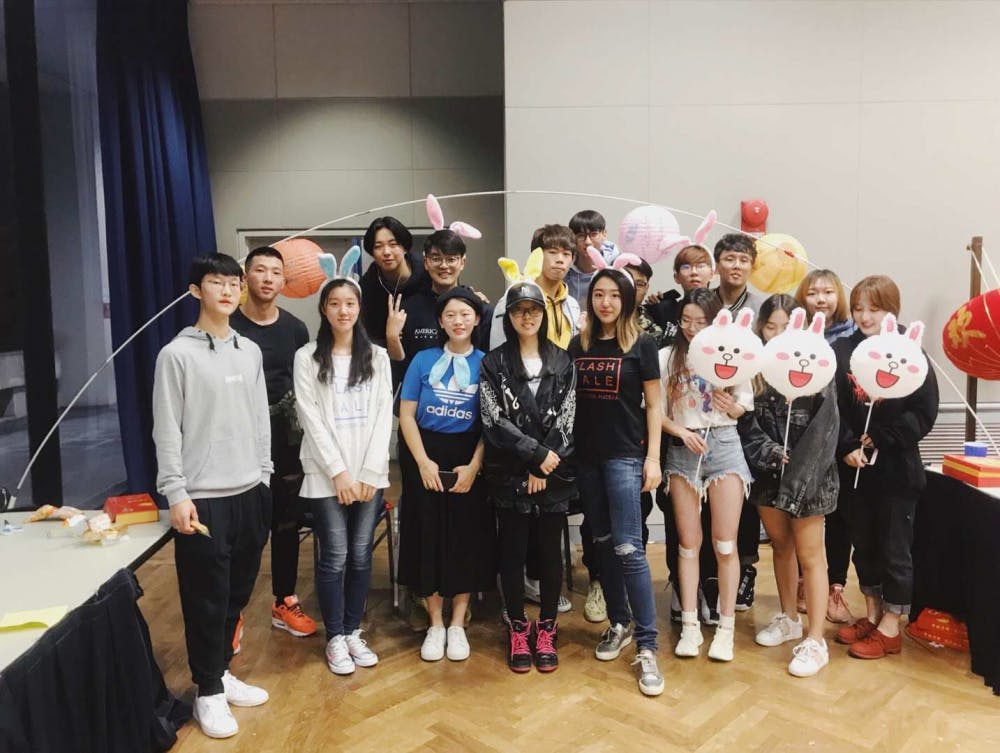
Chinese exchange students in New Zealand — many return as full-fee-paying students creating long-term value for schools and communities
Exchange students in New Zealand — many return as full-fee-paying students, creating long-term value for schools and communities that extends well beyond the initial exchange.
Revenue Pathway

From Exchange to Enrolment

When relationships are nurtured over time, partner schools often develop a steady flow of students participating in semester exchanges, year-long study programmes, and short-term study holiday programmes — providing schools with a reliable and growing international student pipeline. Each student who visits through an exchange programme is a potential full-fee enrolment in future years.

Economic Benefits for Schools and Communities

International students contribute significant revenue to New Zealand secondary schools. On average, international high school students pay between $13,500 and $14,000 per year in tuition fees. These fees provide important funding that can support additional teaching resources, language support programmes, and international engagement activities.

Tuition Revenue

Programme Scale Students Annual Tuition Revenue
Small programme 10 students $135,000 – $140,000
Medium programme 20 students $270,000 – $280,000

Homestay Contributions to the Local Economy

Most international high school students live with local host families while studying in New Zealand. Homestay fees typically range from $350 to $400 per week. Over a full academic year, this equates to approximately $18,200 to $20,800 per student — flowing directly into local households.

Programme Scale Students Annual Homestay Income
Small programme 10 students $182,000 – $208,000
Medium programme 20 students $364,000 – $416,000

Tourism and Lifestyle Spending

Beyond tuition and homestay fees, international students also spend money within local communities on transport, hospitality, retail, tourism activities, and sports. A conservative estimate suggests between $3,000 and $5,000 annually per student in discretionary spending — money that flows directly to local businesses.

Study Holiday Programmes

Study holiday programmes are short-term educational visits, typically lasting 10 days to two weeks. These programmes are particularly popular among schools in Asia, where parents seek international experiences for their children during school holidays. They typically generate between $3,000 and $5,000 per student and provide economic benefits not only for schools but also for the wider community through accommodation, tourism activities, and transport services.

New Zealander participating in an exchange programme in China — exchange programmes work in both directions
Exchange programmes work in both directions — NZ students who visit China often develop lasting connections that strengthen bilateral relationships and future commercial opportunities.

Combined Economic Impact

When tuition, homestay income, student spending, and study holiday programmes are combined, the economic benefits become substantial. The chart below illustrates the annual economic impact for a school running a modest international programme, and demonstrates how quickly the returns scale with programme growth.
Annual Economic Impact — 10 Students + 1 Study Tour
Illustrative model based on typical NZ secondary school international programme
Homestay income
$182,000
Tuition revenue
$135,000
Study tour (10 students)
$40,000
Student spending
$30,000
Source: Eastern Bridge estimates based on Education New Zealand data and typical NZ secondary school international programme benchmarks.
Annual Economic Impact — Illustrative Model
Based on a school hosting international students and running one or two study holiday programmes per year.
10 Students + 1 Study Tour
Tuition revenue $135,000
Homestay income $182,000
Student spending $30,000
Study tour (10 students) $40,000
20 Students + 2 Study Tours
Tuition revenue $270,000
Homestay income $364,000
Student spending $60,000
Study tours (2 × 10 students) $80,000
10 Students + 1 Tour — Total Annual Impact ~$387,000
20 Students + 2 Tours — Total Annual Impact $750,000+

Benefits for Local Communities

The benefits of sister school programmes extend well beyond economic impacts. These programmes strengthen community engagement by connecting local families with international students and cultures. Host families often form long-lasting relationships with visiting students, creating ongoing international friendships that enrich the community for years.

Communities hosting international students also gain exposure to different cultures, languages, and perspectives, enriching the social fabric of local towns and cities. Schools frequently organise cultural events, performances, and celebrations that bring together students, families, and community members — fostering greater cultural understanding and creating more inclusive communities.

Opportunities for Regional Development

For regional communities, sister school relationships can play an important role in attracting international visitors and students. Regional schools often have unique advantages when hosting international students, including safe and welcoming communities, access to outdoor recreation and nature, strong pastoral care, and close-knit school environments. Many international families prefer these environments over large urban schools.

By working with local councils and tourism providers, schools can develop programmes that combine education with regional tourism experiences — helping distribute the economic benefits of international education across regional communities.

International school environment in China — understanding partner country school culture helps NZ schools build more effective exchange programmes
Understanding the school environment in partner countries helps NZ schools build more effective and culturally appropriate exchange programmes that resonate with students and parents.
For Local Government

Amplifying the Economic Impact of International Students

Economic development teams at local councils can play an active role in supporting sister school programmes. By partnering with schools to include regional tourism experiences in study holiday itineraries, councils can amplify the economic impact of international student visits — distributing spending across hospitality, transport, and tourism operators throughout the region.

Councils Tourism Regional Development

Strengthening Long-Term International Relationships

Beyond immediate economic and educational outcomes, sister school programmes contribute to long-term international relationships. Students who visit New Zealand often become lifelong ambassadors for the country. Many return later as university students, tourists, or business partners. These relationships help strengthen New Zealand's global connections and create future opportunities in international trade, education partnerships, cultural exchanges, and tourism development.

"Students who visit New Zealand through exchange programmes often become lifelong ambassadors — returning as university students, tourists, and business partners who carry a genuine affection for the country."

— Eastern Bridge

Conclusion

Sister school relationships are far more than symbolic partnerships between educational institutions. When nurtured and supported, they provide meaningful opportunities for youth development, international understanding, and economic growth. For students, these relationships offer life-changing experiences that broaden perspectives and build global friendships. For schools, they create pathways for international student recruitment and educational collaboration. For communities, they generate economic activity through homestay programmes, tourism spending, and study holiday programmes.

In a world where global connections are increasingly important, sister school relationships provide a practical and effective way for schools and communities to engage internationally. By investing in these partnerships, New Zealand schools can strengthen educational opportunities for young people while supporting economic development within their local communities.

How Eastern Bridge Can Help

Establish Your Sister School Relationship

Eastern Bridge works with schools across New Zealand to establish and manage sister school relationships with institutions in China and across Asia. We handle partner identification, governance frameworks, pre-departure preparation, and ongoing relationship management — at no management fee. Contact us to discuss how we can support your school's international programme.

Talk to Eastern Bridge
  1. Education New Zealand. International Education Strategy 2022–2030. enz.govt.nz
  2. Ministry of Education. International Student Enrolment Data. 2024. education.govt.nz
  3. Statistics New Zealand. International Education Contribution to the NZ Economy. 2023. stats.govt.nz
  4. New Zealand China Council. NZ–China Education Relationship. 2024. nzchinacouncil.org.nz
  5. Eastern Bridge. Sister School Programme Economic Impact Model. 2026. easternbridge.co.nz

Ready to Build Your School's International Programme?

Eastern Bridge helps schools establish sister school relationships and manage international student programmes — at no management fee. Talk to us about what is possible for your school and community.