

A Premium Product Meets a Complex Market
In the late 2010s, a boutique Hawke’s Bay winery — referred to here as HB Vineyards — had established itself as a producer of award-winning premium wines. Its red blends and Chardonnays, grown in the region’s distinctive Gimblett Gravels soils, had earned a loyal domestic following and modest export sales to Australia and the United Kingdom. With a stable domestic base, the winery’s founder, Andrew, began to look towards China — a market of extraordinary scale and rapidly evolving consumer sophistication.
The strategic rationale was compelling. China’s middle and upper-middle classes had grown dramatically, and with them a new generation of wine consumers who prized authenticity, provenance, and quality. The China–New Zealand Free Trade Agreement had reduced tariffs on New Zealand wine to zero, providing a structural competitive advantage over European and South American competitors. And Hangzhou — the capital of Zhejiang Province, home to Alibaba’s headquarters and a city of over 12 million affluent, digitally sophisticated consumers — appeared to offer an ideal entry point for a premium boutique brand.
Yet the market proved far more complex than the opportunity suggested. Andrew’s initial attempts to enter China — attending trade shows in Shanghai, cold-contacting importers, and engaging a local agent with no prior relationship — produced nothing of commercial value. Two years of effort yielded no sustainable distribution, no meaningful brand presence, and a growing sense that the rules of engagement in China were fundamentally different from anything he had encountered in Western markets.
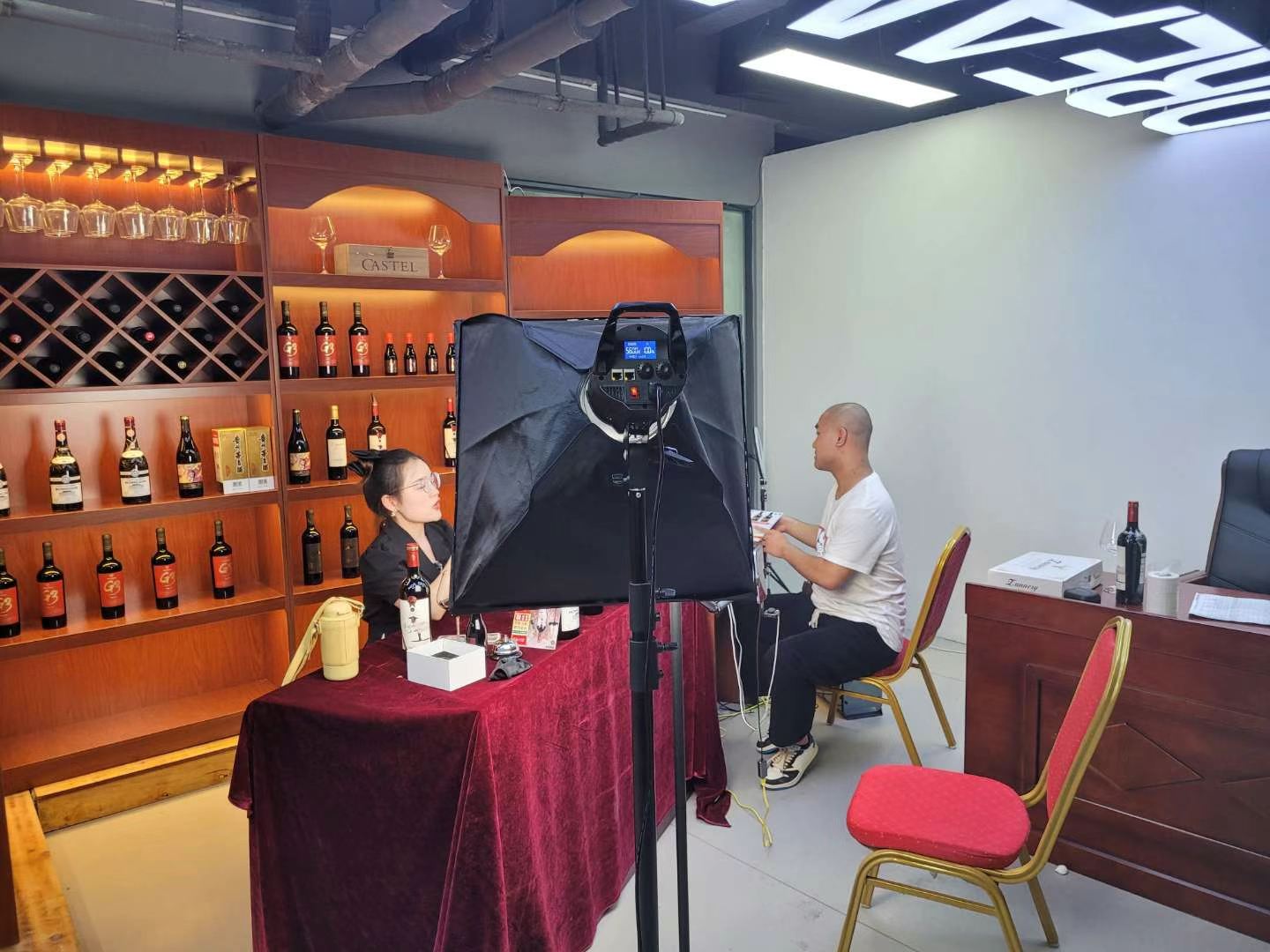
Live-commerce has transformed wine distribution in China. Platforms such as Douyin, Tmall Live, and WeChat now account for a growing share of premium wine sales — a channel that requires both digital infrastructure and authentic storytelling.
The China Wine Market: Scale and Opportunity
China’s wine market was valued at USD 57.25 billion in 2024 and is projected to reach USD 93.92 billion by 2033, growing at a compound annual rate of 5.63 per cent. While total import volumes have contracted as domestic Chinese wine production improves, the premium and ultra-premium segments are expanding — driven by a consumer shift away from volume towards quality, provenance, and experience. For boutique New Zealand producers, this premiumisation trend represents a significant structural opportunity.
Why Conventional Export Strategies Fail in China
Andrew’s experience was not unusual. The majority of New Zealand businesses that attempt to enter the Chinese market through conventional Western export strategies — trade shows, cold outreach, agent-based distribution — fail to achieve sustainable commercial outcomes. The reasons are structural, not incidental, and they reflect deep differences in how business relationships are formed and maintained in Chinese culture.
In Chinese business culture, guanxi (关系) — the network of personal relationships and obligations that underpins commercial activity — is not a courtesy. It is the precondition for doing business. Without established trust and personal connection, commercial discussions cannot meaningfully progress. Trade shows and cold outreach produce introductions, not relationships.
Mianzi (面子) — the concept of “face” or social reputation — governs how Chinese business people communicate and make decisions. Causing a partner to lose face, even unintentionally, can permanently damage a relationship. Western directness, which is often interpreted as disrespect, is a common source of failure in cross-cultural negotiations.
China is a high-context communication culture. Meaning is frequently implied rather than stated. A polite “we will consider it” or “that is very interesting” may signal a quiet refusal. Without the cultural literacy to read these signals accurately, New Zealand exporters routinely misinterpret conversations and pursue opportunities that do not exist.
China’s digital ecosystem — WeChat, Tmall, JD.com, Douyin — is entirely separate from the Western internet and requires specific expertise to navigate. Over 53% of Chinese alcohol buyers now purchase online, a rate nearly double that of other major markets. Without a credible digital presence on Chinese platforms, a brand is effectively invisible to its target consumers.
“We had a great product and a compelling story. But we were telling it in the wrong language — not just linguistically, but culturally. We didn’t understand the rules of the game, and we were paying the price.”
Andrew, Founder, HB VineyardsCultural Intelligence as a Commercial Strategy
When Andrew approached Eastern Bridge, the organisation had spent more than a decade building deep expertise in New Zealand–China commercial and cultural engagement. Simon Appleton, Eastern Bridge’s founder, had lived and worked in China, developed extensive personal networks across Zhejiang Province, and had facilitated numerous successful commercial partnerships between New Zealand organisations and Chinese counterparts.
Eastern Bridge’s approach was grounded in a fundamental principle: in China, cultural intelligence is not a soft skill — it is a commercial asset. The organisation’s engagement with HB Vineyards was structured around building that asset systematically, rather than simply providing translation or logistics support.
Hofstede Cultural Dimensions: NZ vs. China
| Dimension | New Zealand | China | Business Implication |
|---|---|---|---|
| Power Distance | 22 (Low) | 80 (High) | Hierarchy is respected and expected. Decisions flow from senior leadership. Bypassing hierarchy causes offence. |
| Individualism | 79 (High) | 20 (Low) | Group harmony and collective benefit take precedence over individual outcomes. Negotiations focus on long-term mutual benefit. |
| Long-Term Orientation | 33 (Low) | 87 (High) | Chinese partners invest in relationships for long-term gain. Impatience for quick results signals a lack of commitment. |
| Uncertainty Avoidance | 49 (Medium) | 30 (Low) | Chinese partners are often comfortable with ambiguity in agreements. Rigid contractual terms can be perceived as distrust. |
| Context | Low-context | High-context | Meaning is frequently implied, not stated. Learning to read subtext is essential for accurate interpretation of meetings. |
From Classroom to Commercial Engagement — Four Stages
Eastern Bridge’s engagement moved from strategy to execution over an 18-month period. Each stage was designed to build on the last, progressively deepening HB Vineyards’ capability and in-country relationships.
Eastern Bridge conducted a series of intensive workshops for Andrew and his team in New Zealand. These covered the foundational concepts of Chinese business culture — guanxi, mianzi, hierarchy, and high-context communication — as well as a detailed briefing on the Hangzhou market: its consumer profile, competitive landscape, and key distribution channels. The workshops concluded with the development of a culturally adapted brand narrative and a redesign brief for wine labels to include Mandarin-language information and a China-relevant brand story centred on New Zealand’s clean environment and artisanal winemaking heritage.
Simon Appleton personally accompanied Andrew on a one-week visit to Hangzhou. This was not a sales trip — the itinerary was designed exclusively for relationship-building and market learning. Eastern Bridge arranged introductory meetings with three carefully pre-vetted potential partners. Critically, the initial meetings were held over informal tea sessions and dinners, not in formal boardrooms. Simon provided real-time interpretation that went beyond literal translation, explaining the cultural subtext of conversations and advising Andrew on appropriate responses. The visit culminated in a formal banquet hosted by Andrew for the most promising potential partner — a significant gesture of respect and commitment that was noted and appreciated.
Following the visit, one Hangzhou-based distributor emerged as the clear frontrunner — a family-owned business with strong relationships across the city’s premium restaurant and hotel sector, and a portfolio of carefully selected international wine brands. Eastern Bridge facilitated the subsequent negotiations, acting as a cultural and commercial mediator. We helped draft a memorandum of understanding that balanced the New Zealand preference for clear contractual terms with the Chinese preference for a more flexible, relationship-based agreement. This process was deliberate and patient, involving numerous video conferences and translated communications managed by our team over a six-month period.
Once the partnership was formalised, Eastern Bridge assisted in developing a digital strategy tailored for the Chinese market. China’s wine e-commerce market is the world’s largest and fastest-growing, with over 53% of alcohol buyers using online platforms — nearly double the rate of other major markets. Eastern Bridge assisted the distributor in listing HB Vineyards’ products on Tmall and JD.com, and supported the establishment of a WeChat Official Account to share the brand story directly with Chinese consumers. We also facilitated introductions to local food and wine influencers in Hangzhou to generate authentic digital engagement, including a live-commerce session hosted by Simon himself to demonstrate the product to Chinese audiences.
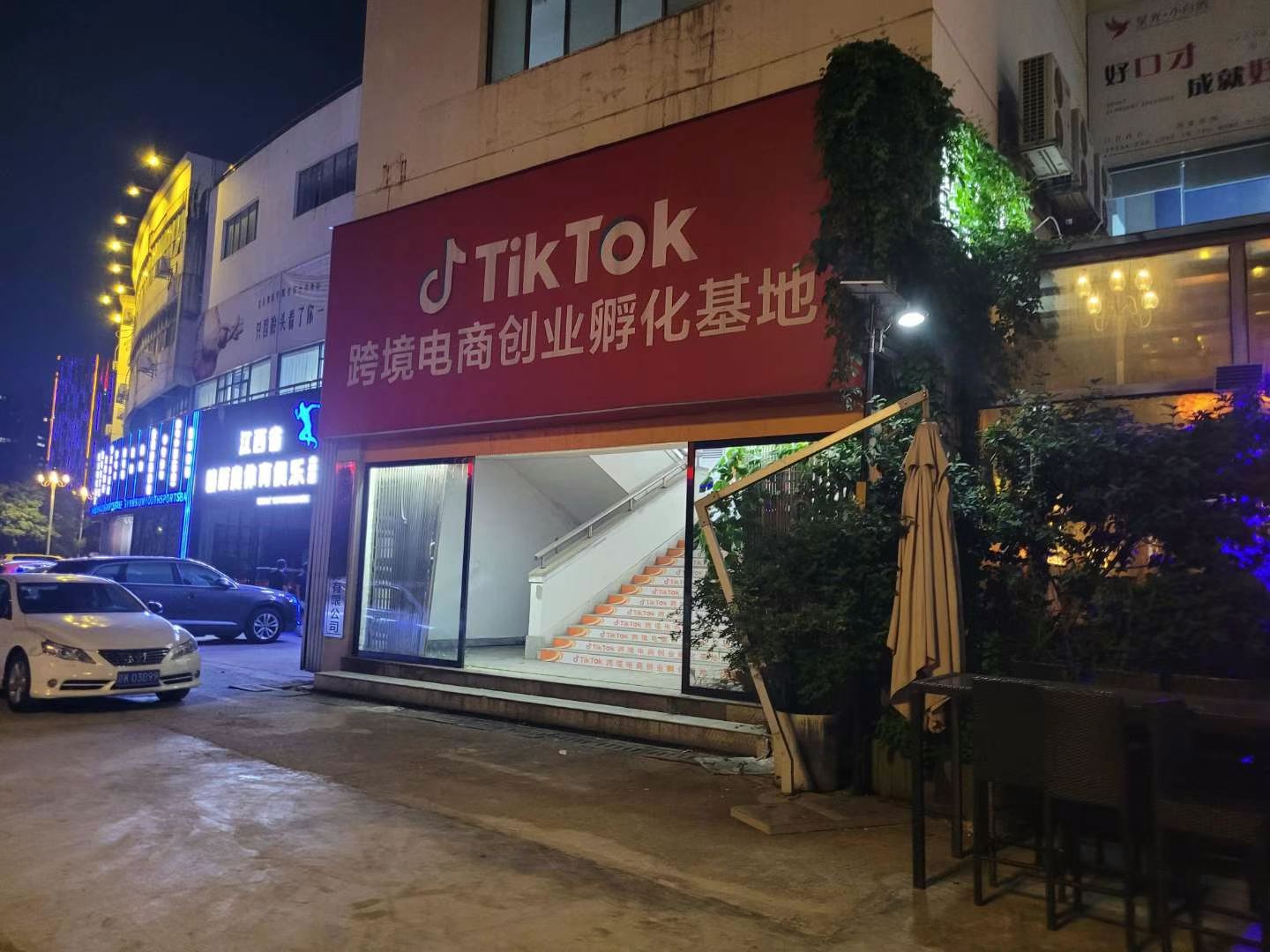
Live-commerce “seller farms” — facilities running dozens of simultaneous broadcast sessions — have become a primary distribution channel for premium food and beverage products in China. Eastern Bridge helped HB Vineyards navigate this landscape through its distributor partnership and direct digital engagement.
Eastern Bridge Services Delivered
Intensive workshops covering guanxi, mianzi, hierarchy, high-context communication, and business etiquette — tailored specifically to the wine and premium food sector.
Rigorous vetting of potential distribution partners in Zhejiang, including corporate verification, reputation analysis, and commercial philosophy assessment.
Personal accompaniment on the Hangzhou market visit, real-time cultural interpretation, and facilitation of the relationship-building process with potential partners.
Assistance with e-commerce platform integration (Tmall, JD.com), WeChat account establishment, and introductions to key opinion leaders in the Hangzhou food and beverage scene.
A Sustainable Foothold in a Priority Market
The engagement with Eastern Bridge transformed HB Vineyards’ China strategy from a costly series of failures into a structured, sustainable commercial success. The outcomes, measured over the three years following the initial partnership, were significant across commercial, relational, and capability dimensions.
Within two years, HB Vineyards had established a stable and growing presence in Hangzhou and two additional cities in Zhejiang Province. The initial modest order was followed by consistent, larger shipments. China became the winery’s third-largest export market by value — a significant achievement for a boutique producer.
The relationship with the Hangzhou distributor, built on a foundation of trust and mutual respect, proved to be a true commercial partnership. The distributor invested in staff training, in-store marketing, and consumer education events — becoming a genuine brand ambassador for HB Vineyards in China, not simply a logistics provider.
Through targeted digital marketing and the distributor’s hospitality sector relationships, the HB Vineyards brand gained recognition among a niche of affluent Hangzhou consumers who appreciated its quality and authentic New Zealand provenance story. The culturally adapted branding — Mandarin labels, a China-relevant brand narrative — was a key factor in this success.
Perhaps the most significant outcome was the transformation within HB Vineyards itself. Andrew and his team developed the cultural intelligence and confidence to manage their China relationships effectively and independently. This knowledge became a core asset for the company’s future international growth strategy.
Trade Show
EB Engaged
First Order
Growth
Stable
“Working with Eastern Bridge was a revelation. We went from being completely lost to understanding the rules of the game. They didn’t just find us a partner — they taught us how to partner. The most valuable thing we gained wasn’t a purchase order. It was the cultural literacy to succeed in one of the world’s most complex markets.”
Andrew, Founder, HB VineyardsKey Market Context: China’s Online Wine Distribution
Understanding where wine is sold in China was critical to developing the right strategy. The shift towards digital commerce has been dramatic — over 53% of Chinese alcohol buyers now purchase online, with Tmall and JD.com dominating the market. This made e-commerce integration a non-negotiable component of HB Vineyards’ market entry plan.

Eastern Bridge’s due diligence goes beyond desk research. Simon Appleton personally visited warehousing facilities, factory complexes, and e-commerce fulfilment zones in China to verify the operational capability and commercial integrity of prospective partners — ensuring that HB Vineyards’ distribution relationship was built on verified foundations, not assumptions.
- Deep Market Insights. China Wine Market Size & Outlook, 2025–2033. deepmarketinsights.com
- Grand View Research. China Wine Market Size & Outlook, 2025–2033. grandviewresearch.com
- USDA Foreign Agricultural Service. China: Wine Market Update 2025. fas.usda.gov
- New Zealand Ministry of Foreign Affairs and Trade. NZ–China Free Trade Agreement Overview. mfat.govt.nz
- New Zealand Winegrowers. Annual Report 2025. nzwine.com
- China Wine Competition. The Rise of E-commerce in China’s Wine Market, 2025. chinawinecompetition.com
- Vinetur. China’s Wine Consumption Plunges 25% as Industry Shifts Toward Premium Bottles and Digital Sales, 2025. vinetur.com
- Hofstede Insights. Country Comparison: New Zealand and China. hofstede-insights.com
- IWSR. China Alcohol E-Commerce Market Outlook 2022–2027. theiwsr.com
- Eastern Bridge. Programme data: NZ–China business engagement 2019–2023. Internal records.