

Over the past twenty years, education partnerships between New Zealand and China have grown into one of the most significant international education relationships in the Asia-Pacific region. What began primarily as international student recruitment has gradually evolved into a much broader network of cooperation between schools, universities, teachers, and communities. For school leaders, the question is no longer simply whether to engage internationally — but how to do so in ways that deliver genuine educational outcomes for students, teachers, and communities.
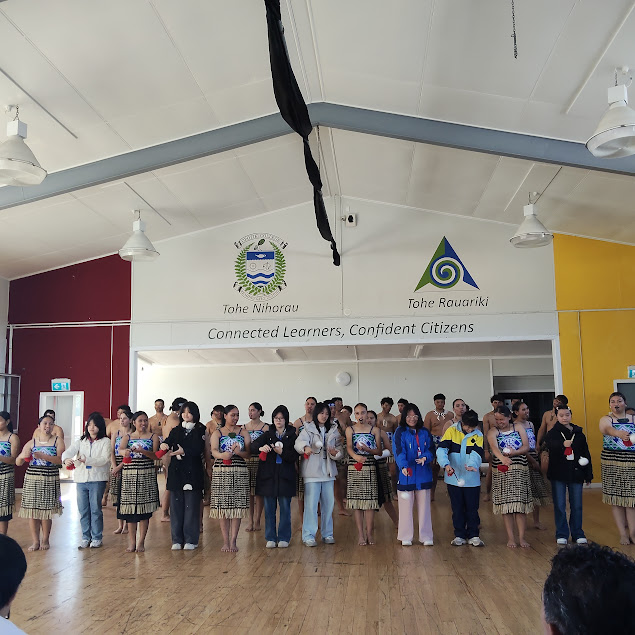
The Strategic Importance of the Relationship
China and New Zealand share a long-standing relationship across trade, tourism, diplomacy, and education. Education cooperation forms an important part of the broader people-to-people connections between the two countries. China is one of New Zealand's largest sources of international students and an increasingly important partner in research collaboration and educational exchange.
At the same time, many Chinese schools and education authorities are actively seeking global engagement opportunities that provide their students with international perspectives and cross-cultural learning experiences. For New Zealand schools, partnerships with Chinese institutions offer opportunities that extend well beyond international student enrolments — supporting student development, language learning, cultural understanding, and global competence.
"Education partnerships between schools are not only about international travel or enrolments. They are about building long-term relationships that allow young people to understand the world beyond their own communities."
International Education and the Role of Schools
International education is often discussed at the national or tertiary level, but schools play a crucial role in shaping young people's global outlook. Secondary schools, in particular, are increasingly recognising that international engagement can support their broader educational mission. Schools are not simply preparing students for exams — they are preparing them for a world where international collaboration, cultural literacy, and global awareness are essential skills.
Education partnerships with overseas schools allow students to engage directly with peers from other cultures, helping them develop a range of capabilities that are difficult to teach in a domestic classroom alone:
- Cross-cultural communication skills
- Global awareness and curiosity
- Confidence in unfamiliar environments
- Interest in international careers and study
- Language learning motivation
- Greater independence and resilience
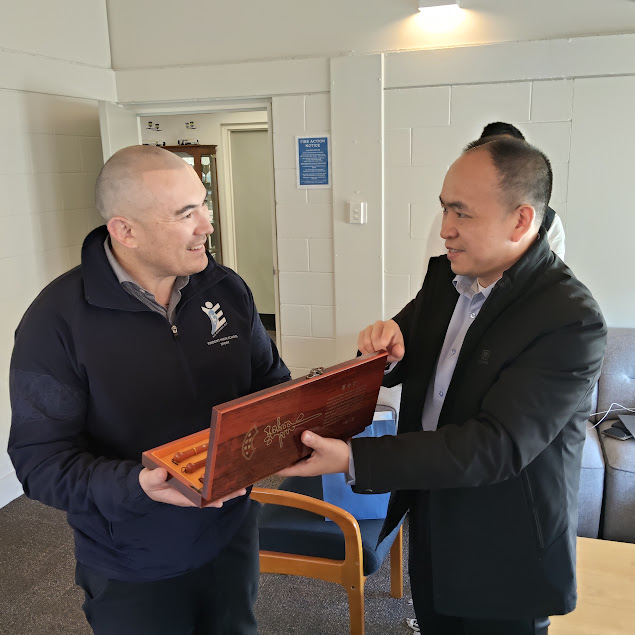
Sister-School Relationships: The Foundation of Cooperation
One of the most effective ways schools build international partnerships is through sister-school relationships. A sister-school partnership is typically a formal agreement between two schools in different countries that establishes a framework for ongoing collaboration. While activities vary, they commonly include student exchanges, teacher visits, cultural and language programmes, joint learning projects, and online classroom collaboration.
Sister-school relationships provide a stable structure for ongoing engagement rather than one-off international visits. These partnerships are particularly valuable because they encourage long-term trust and familiarity. Over time, teachers build professional relationships, students develop friendships, and school communities become more comfortable working together. Many successful partnerships begin with small activities — such as online exchanges or short visits — and gradually develop into deeper institutional collaboration.
Cultural Literacy and the Value of Understanding China
As New Zealand becomes increasingly connected to the Asia-Pacific region, cultural literacy is becoming a critical skill for young people. China plays an important role in New Zealand's economic and diplomatic landscape — it is New Zealand's largest trading partner and a major source of tourism, education, and investment. Understanding China — its language, history, culture, and society — can therefore provide New Zealand students with valuable perspectives on the wider world.
Similarly, Chinese students benefit from exposure to New Zealand's unique cultural environment. New Zealand schools offer learning experiences that emphasise community engagement, environmental awareness, student-centred learning, and indigenous knowledge and perspectives, including Māori culture. These exchanges allow students in both countries to gain a deeper appreciation of different educational systems and cultural traditions.
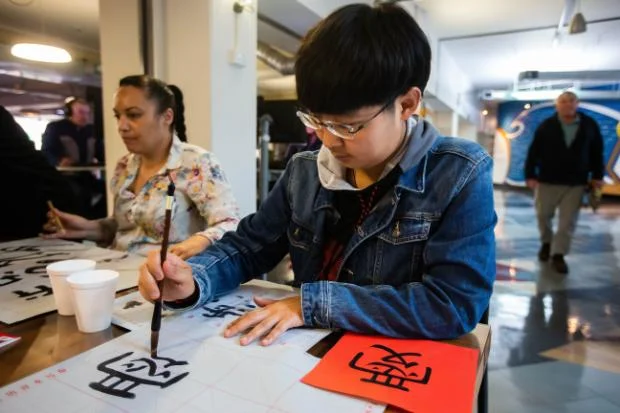
Student Exchanges and Study Tours
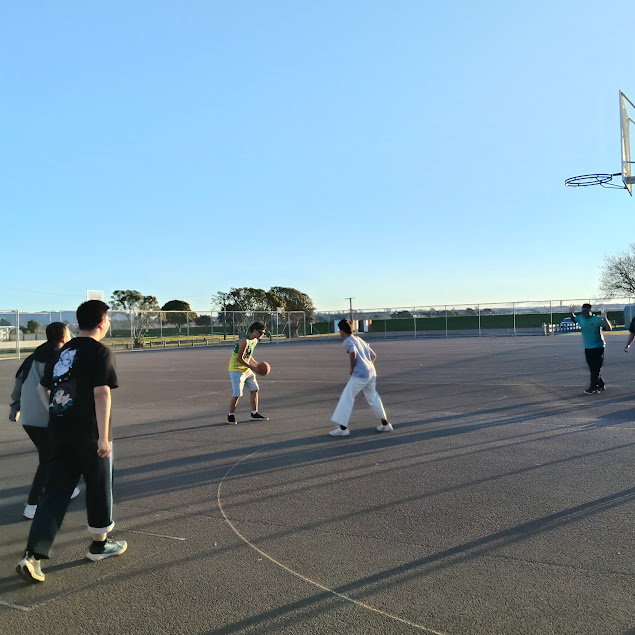
Student exchanges and study tours allow learners to experience life in another country for short or extended periods. Short-term study tours, which may last from one to two weeks, are particularly popular among schools because they are relatively accessible and manageable for students and families. Even brief visits can have lasting educational value — students gain firsthand experience of different cultures, education systems, and social environments.
Benefits for Teachers and Schools
While student outcomes are often the focus of international partnerships, teachers and schools also benefit significantly from global engagement. Teacher exchanges and professional visits provide opportunities for educators to observe different teaching styles, curriculum approaches, and classroom environments. These experiences can support professional development by exposing teachers to new pedagogical ideas and educational practices.
| Stakeholder | Key Benefits | Examples |
|---|---|---|
| Students | Cross-cultural skills, language motivation, global awareness, independence | Study tours, homestays, classroom exchanges, cultural activities |
| Teachers | Professional development, new pedagogical perspectives, international networks | Teacher visits, curriculum observation, joint professional development |
| Schools | Enhanced reputation, global networks, cultural diversity, community engagement | Sister-school agreements, hosting visiting students, cultural events |
| Communities | People-to-people connections, cultural understanding, local profile | Homestay families, community events, local business involvement |
Technology and the Rise of Hybrid Exchanges
One of the most significant developments in international education over the past few years has been the expansion of digital engagement. During the COVID-19 pandemic, many schools began experimenting with virtual exchanges and online collaboration platforms. While these initiatives initially emerged out of necessity, they have since become valuable tools for building international relationships — and for making international cooperation more accessible for schools with limited budgets.
Today, many schools use hybrid exchange models that combine online interaction with occasional in-person visits. These activities help establish relationships between schools before physical exchanges take place, lowering the barrier to entry and building familiarity before students travel.
Language Education and the Growing Interest in Mandarin
Language education is another important dimension of New Zealand–China education partnerships. Mandarin Chinese is one of the most widely spoken languages in the world and plays a significant role in global business, diplomacy, and culture. Learning Mandarin can provide students with enhanced career opportunities, deeper understanding of Chinese culture, improved cross-cultural communication skills, and greater engagement with global issues.
However, language learning is most effective when it is connected to real-world experiences. Exchanges, cultural engagement, and interaction with native speakers significantly enhance language learning outcomes. Partnerships with Chinese schools can therefore play a valuable role in supporting language education — giving students a reason to learn and a community to practise with.
Building Sustainable Education Partnerships
While international engagement offers many benefits, successful partnerships require careful planning and long-term commitment. Schools that build sustainable international partnerships typically focus on five key principles:
Looking Ahead: The Next Phase of Cooperation
The future of New Zealand–China education partnerships will continue to evolve as the global education landscape changes. Several clear trends are already shaping the next phase of cooperation:
"The most successful international partnerships are those that focus on people-to-people connections — students, teachers, and communities learning from each other."
How Eastern Bridge Supports Schools
Eastern Bridge has been facilitating New Zealand–China education partnerships for over a decade. Working with secondary schools, primary schools, and education communities across New Zealand, Eastern Bridge provides a structured, low-risk framework for building genuine international relationships with Chinese partner institutions.
Eastern Bridge manages the complexity of international engagement — partner identification, due diligence, programme design, logistics, cultural preparation, and ongoing relationship management — so that school leaders can focus on educational outcomes rather than administration.
Structured School Partnership Support
Eastern Bridge works with a select number of New Zealand schools each year to establish and develop sister-school relationships with Chinese partner institutions. Services include partner identification and due diligence, programme design, student and teacher exchanges, cultural preparation, and long-term relationship management.
Partnerships are designed to be sustainable, reciprocal, and aligned to each school's educational goals — not a one-size-fits-all programme.
Discuss a Partnership for Your SchoolConclusion
Education partnerships between New Zealand and China have developed into an important part of the international education landscape. While the environment continues to change, the underlying motivations for cooperation remain strong. Schools in both countries share a commitment to preparing young people for an increasingly interconnected world.
Sister-school relationships, student exchanges, language learning, and collaborative projects all provide opportunities for meaningful engagement. For school leaders, the future of international education is likely to involve more thoughtful, sustainable partnerships that focus on long-term relationships and genuine educational outcomes. When designed carefully, education partnerships can provide students with experiences that broaden their perspectives, strengthen cultural understanding, and prepare them to participate confidently in a global society.
- New Zealand China Council. NZ–China Relationship Dashboard. 2024. nzchinacouncil.org.nz
- Ministry of Education. Education Counts: International Student Enrolments. 2024. educationcounts.govt.nz
- Ministry of Foreign Affairs and Trade (MFAT). New Zealand's relationship with China. mfat.govt.nz
- Ministry of Education. National Languages Strategy update. 2024. education.govt.nz
- New Zealand Chinese Language Week. About Chinese Language Week. chineselanguageweek.co.nz
- Eastern Bridge. Programme data: NZ–China school partnerships 2013–2025. Internal records.
- Asia New Zealand Foundation. New Zealanders' perceptions of Asia. 2024. asianz.org.nz