
Relationship Management
& Representation
In Asian markets, relationships are not a precursor to business — they are the business. Eastern Bridge provides ongoing relationship management and in-market representation for New Zealand organisations across China and Korea.
Relationships in Asia Require Consistent, Sustained Investment
New Zealand organisations frequently invest significant effort in establishing relationships with Asian counterparts — and then allow those relationships to deteriorate through infrequent contact, inconsistent communication and a failure to maintain the relational investment that Asian partners expect.
In Chinese and Korean commercial and institutional contexts, the relationship is the foundation on which all commercial activity rests. A relationship that is not actively maintained is a relationship that is weakening. Eastern Bridge provides ongoing relationship management and in-market representation services that ensure your key Asian relationships are maintained, developed and leveraged effectively — even when your own team cannot be present in-market.
We act as your trusted representative in China and Korea — maintaining contact with your key counterparts, monitoring relationship health, identifying emerging opportunities and risks, and ensuring that your organisation remains visible, credible and valued in the eyes of your Asian partners.
What We Provide
Three service areas covering ongoing relationship management, in-market representation and strategic relationship development.
Ongoing Relationship Management
Eastern Bridge manages your key Asian relationships on an ongoing basis — maintaining regular contact with your counterparts, monitoring relationship health and ensuring that your organisation remains visible and valued.
We provide regular reporting on relationship status, emerging issues and opportunities — giving you the intelligence you need to make informed decisions about your Asian engagement strategy.
- Regular contact maintenance with key counterparts
- Relationship health monitoring and reporting
- Communication management and cultural mediation
- Issue identification and early intervention
- Opportunity identification and reporting
- Regular relationship status reports
In-Market Representation
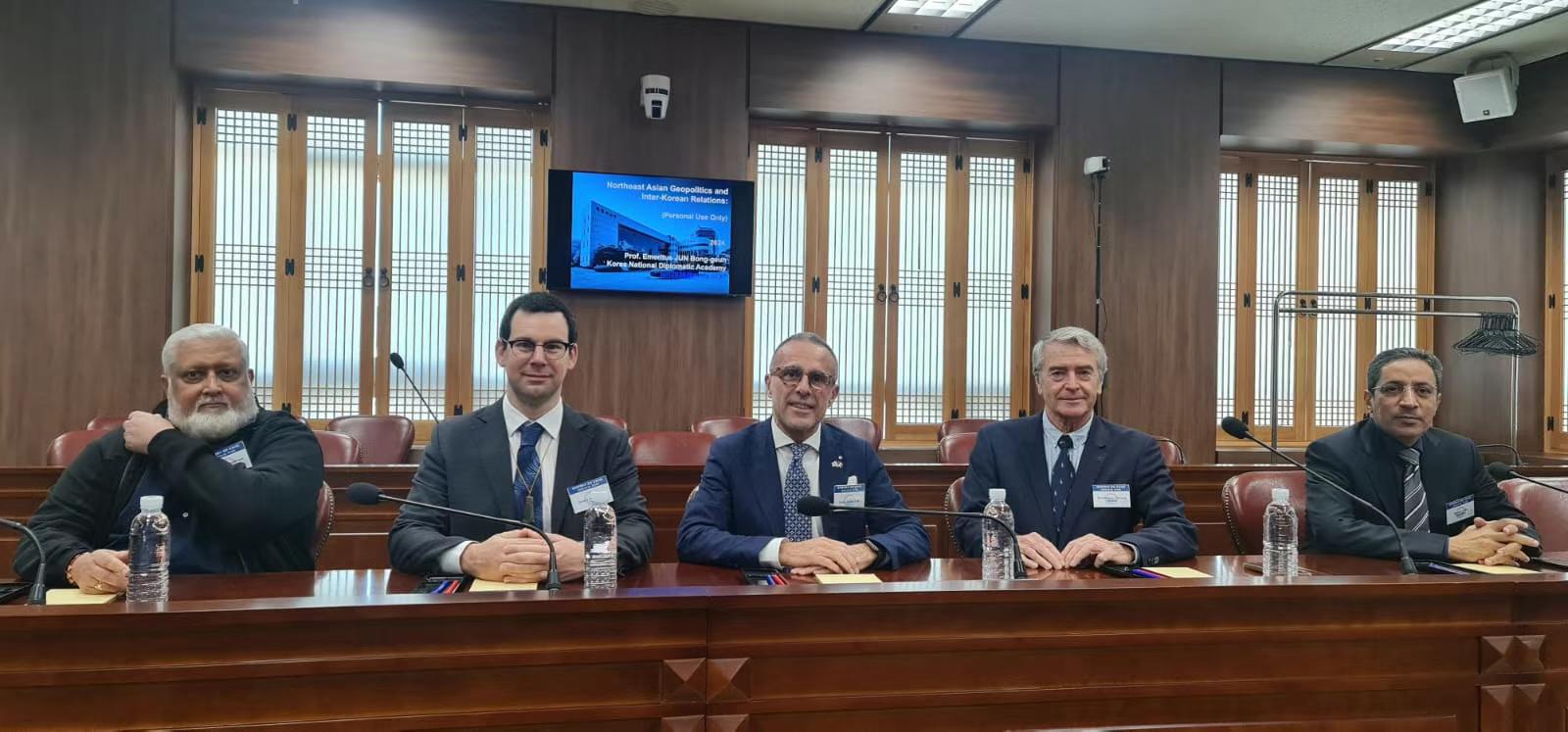
Eastern Bridge acts as your trusted representative in China and Korea — attending meetings, events and engagements on your behalf, and ensuring that your organisation is appropriately represented in contexts where your own team cannot be present.
- Attendance at meetings and events on your behalf
- Representation at industry forums and government engagements
- Facilitation of meetings between your team and Asian counterparts
- Acting as your point of contact for in-market enquiries
- Managing inbound communication from Asian counterparts
- Briefing your team on in-market developments
Strategic Relationship Development
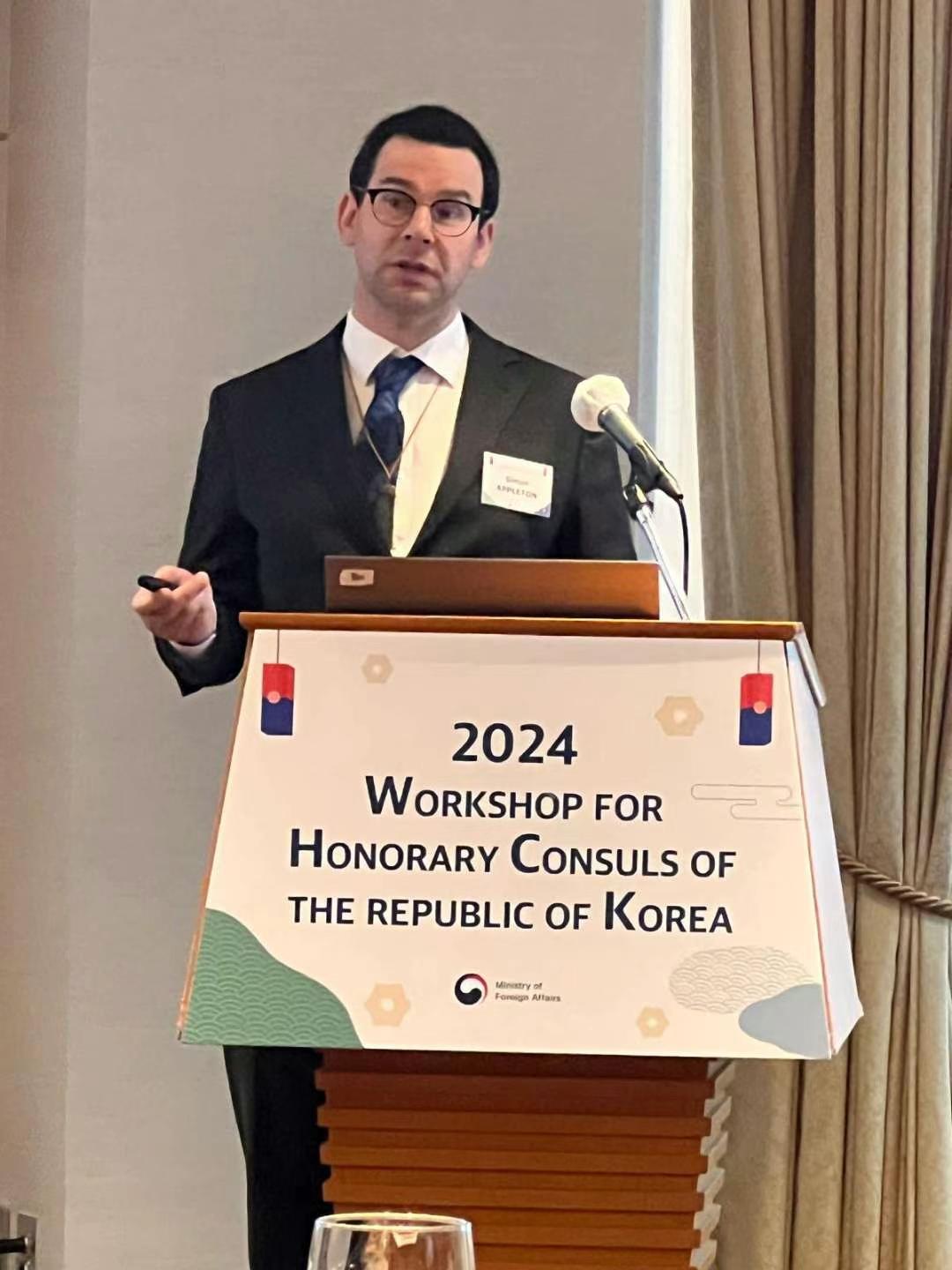
Beyond maintaining existing relationships, Eastern Bridge works with you to develop your Asian relationship portfolio — identifying and cultivating new relationships that are strategically important to your long-term objectives in the region.
- Relationship portfolio mapping and gap analysis
- Identification of strategically important new relationships
- Introduction and relationship initiation support
- Relationship development planning and execution
- Network expansion into new sectors or regions
- Long-term relationship strategy development

Is Your Asian Relationship Portfolio Being Actively Managed?
Eastern Bridge provides ongoing relationship management and in-market representation across China and Korea. Contact us to discuss how we can help you maintain, develop and leverage your most important Asian relationships.
Suitable For
Relationship management and representation services are relevant to any New Zealand organisation with established or developing relationships in Asian markets that require ongoing maintenance and development.
Exporters & Businesses
Maintaining and developing commercial relationships with distributors, agents and partners in China and Korea.
Local Government
Managing sister city relationships, investment attraction relationships and institutional partnerships with Asian counterparts.
Iwi & Māori Organisations
Maintaining and developing relationships with Asian institutional and commercial counterparts over the long term.
Government Agencies
Managing ongoing relationships with Asian government counterparts and institutional partners.
Education Institutions
Maintaining relationships with partner institutions, alumni networks and prospective student markets in Asia.
Common Challenges We Address
Our clients typically engage us because they face one or more of the following challenges.
Relationships Deteriorating Through Infrequent Contact
Organisations whose Asian relationships are weakening because they lack the resources or in-market presence to maintain regular contact.
No In-Market Presence or Representation
Organisations that need a trusted, capable representative in China or Korea but cannot justify the cost of a full-time in-market presence.
Relationships Built by Departing Staff
Organisations that have lost key staff who held important Asian relationships — and need to ensure those relationships are maintained and transferred.
Uncertainty About Relationship Health
Organisations that are unsure whether their Asian relationships are in good health — and lack the in-market intelligence to assess the situation.
Missing Opportunities Through Absence
Organisations that are losing commercial or institutional opportunities because they are not sufficiently present and visible in their Asian markets.
Communication Breakdowns With Asian Partners
Organisations experiencing communication difficulties or misunderstandings with Asian partners that are damaging the relationship.
Our Engagement Model
Relationship management is an ongoing service — structured around a clear four-stage engagement model that ensures your Asian relationships receive the sustained attention they require.
We map your existing Asian relationships, assess their current health and identify priorities for maintenance and development.
We develop a structured relationship management plan — defining contact frequencies, communication protocols and development objectives.
Regular contact maintenance, representation at key events and meetings, and proactive relationship development activities.
Regular reporting on relationship status, emerging opportunities and risks, and strategic review of the relationship portfolio.
What Sets Our Approach Apart
Effective relationship management in Asian markets requires more than regular contact. It requires cultural intelligence, language capability and a genuine understanding of the relational dynamics at play.
Trusted Representation
Eastern Bridge is trusted by New Zealand organisations to represent them with their most important Asian counterparts — with the cultural intelligence and professionalism that this requires.
Established Networks
Our own networks in China and Korea mean that we can maintain and develop your relationships through our existing connections — not just through direct contact.
Cultural Intelligence
We understand the cultural dynamics of Asian relationships — and we manage them accordingly, ensuring that your organisation is always appropriately positioned.
Language Capability
Mandarin, Cantonese and Korean language capability means that we can engage directly with your counterparts in their own language — building deeper trust and understanding.
Long-Term Orientation
We take a long-term view of relationship management — building the sustained engagement that Asian partners expect and value.
Integrated Services
Relationship management that can be integrated with our market entry, partnership identification, risk advisory and translation services.
Discuss Your Relationship Management Requirements
Whether you need to maintain existing Asian relationships, establish in-market representation or develop your Asian relationship portfolio, contact Eastern Bridge to discuss how we can support your objectives.