
Home/Councils & communities/China Volunteer Programme
China Volunteer Programme
Volunteer English in China and become part of the community
A free, three-month cultural exchange at a host university or high school in China. You volunteer as a classroom assistant, helping students practise their English, and become part of the local community. It runs as part of the Bay of Plenty–Jiangxi sister-province relationship. Every volunteer completes 180 hours of mandatory preparation training before they go, and is supported the whole way through.
Free
to take part
¥400 (about NZ$90)
a week stipend from Beijing New Bridge
2 intakes
in 2027, about three months each
20 hrs
maximum a week, including campus activities
180 hrs
preparation training, 80 in person (sessions in Ōpōtiki/Whakatāne and Napier)
What you get
The programme is free. Here’s what’s covered, so you and your whānau know exactly where you stand before you commit.
What you pay for: travel to and from training sessions, personal spending, optional travel, pharmacy items, routine dental and optical care, insurance excesses and any costs the insurance doesn’t cover. Bring some savings for weekends and travel too.
Commitment
A real part of campus life. Here’s what a typical week looks like.
Classroom
Up to 15 hours a week
On weekdays, helping students practise speaking and listening in English, alongside a local teacher.
Total
No more than 20 hours
Including campus events and cultural activities you may be invited to join. It’s a ceiling, not a target.
Weekends
Yours to enjoy
Weekends are free unless you agree otherwise. Many volunteers explore nearby cities and meet up with others.
Stay the distance
The full term
Host institutions plan around you, so please only apply if you can stay the whole term. Leaving early by choice has costs (see the FAQs).
Three things we ask of every volunteer
These are conditions of your place. Please read them before you register.
Required
180 hours of preparation training
Basic Chinese (HSK 1), TESOL certification and a China readiness workshop, delivered by Eastern Bridge Education. 80 hours are in person (sessions in Ōpōtiki/Whakatāne and Napier). Every session counts, because training is what gets you ready for life in China. If something comes up, talk to us early and we’ll help you catch up. Missing training without agreement means we can’t send you.
Required
Follow the coordinator’s directions
Reply to emails promptly, and provide information and documents when asked. Visas, flights and placements depend on it. Not doing so may lead to withdrawal.
Required
Be a good guest
You’re a guest of your host institution and an ambassador for New Zealand. Dress neatly, be punctual, and be respectful to staff, students and the host community at all times.
Who can apply
The programme runs as part of the Bay of Plenty–Jiangxi sister-province relationship, so places are for people connected to the councils and iwi who support it.
- Aged 20 to 30 on the departure date (you can apply before you turn 20)
- A New Zealand citizen and has fluent, native-level English
- Completed NCEA Level 3, or equivalent
- Able to pass a police check
- Living in the Whakatāne, Ōpōtiki, Kawerau or South Waikato districts, or affiliated to Whakatōhea, Te Whānau-ā-Apanui, Ngāti Awa, Tūhoe or Ngāti Kahungunu (Heretaunga)
- You don’t need a teaching qualification or any Chinese
Live somewhere else? Ask your local council or iwi to get in touch with Eastern Bridge. We’d love to bring more communities into the programme.
See it for yourself
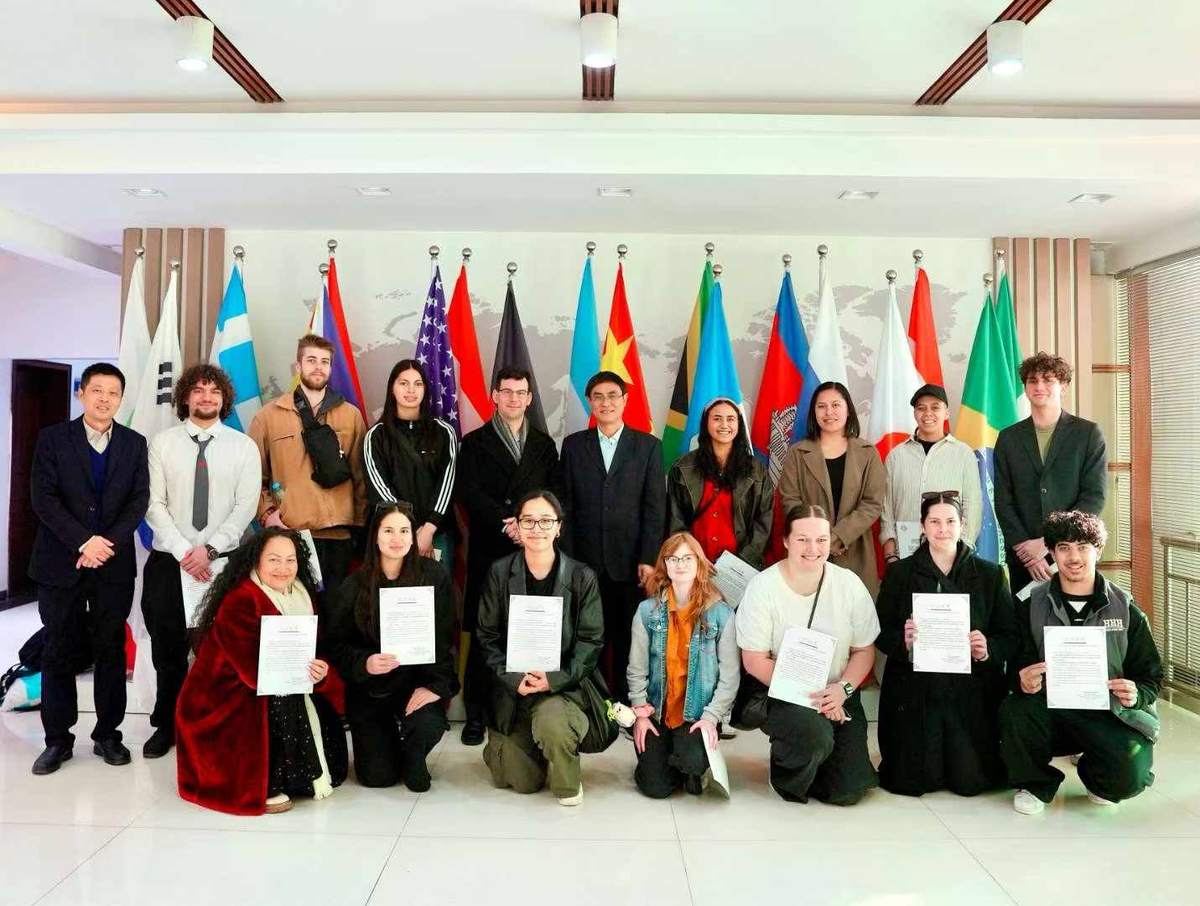
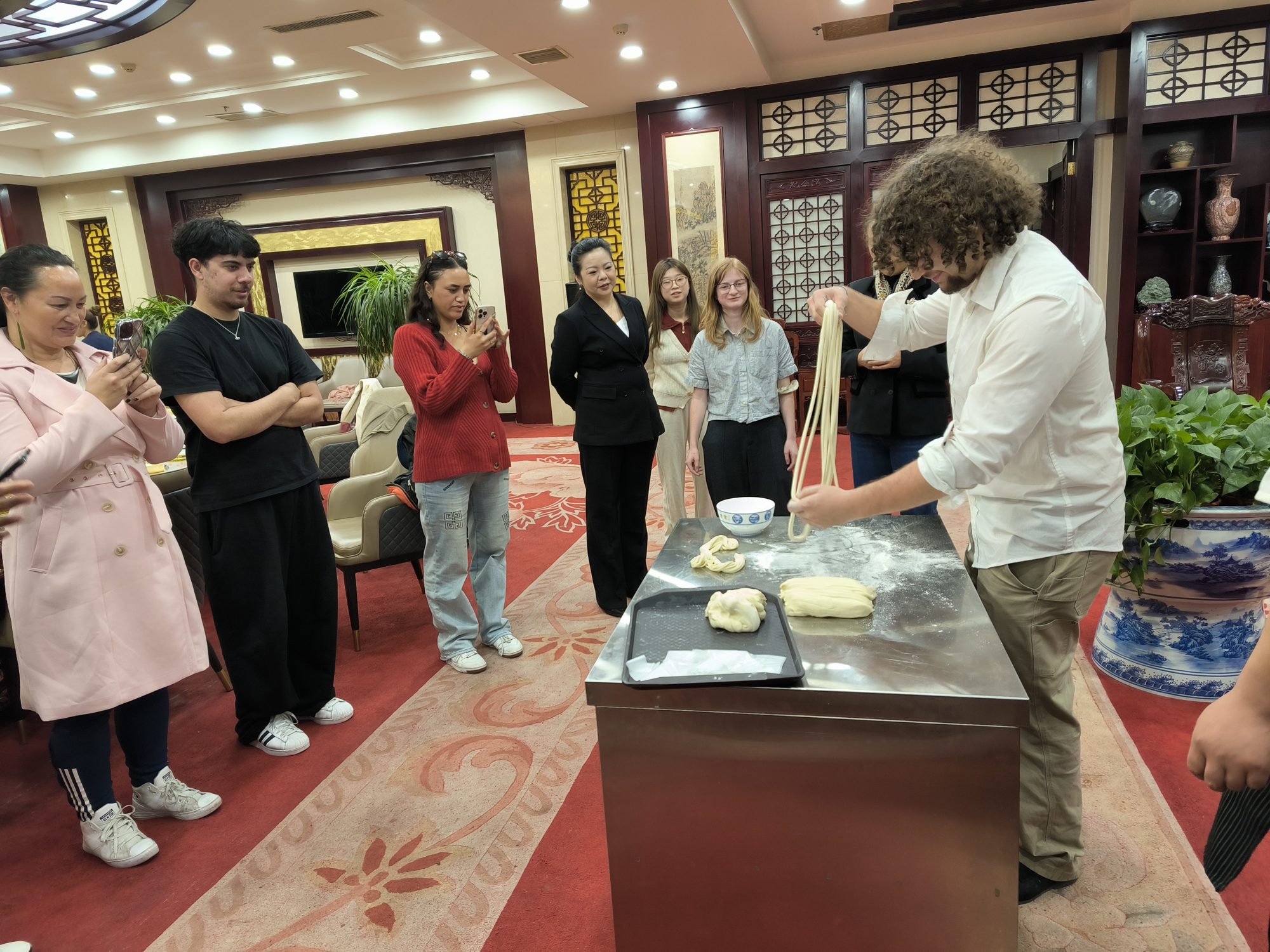
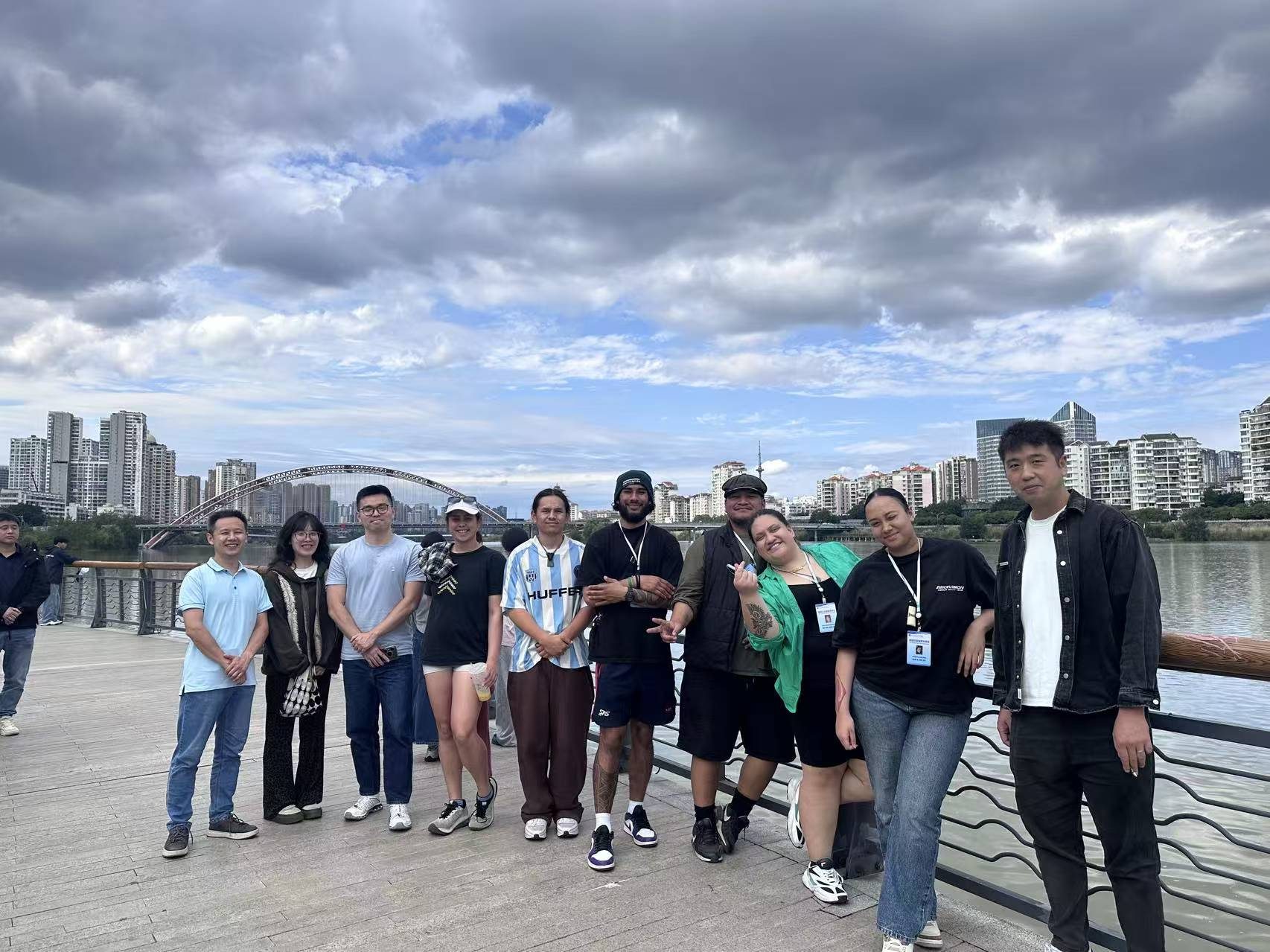
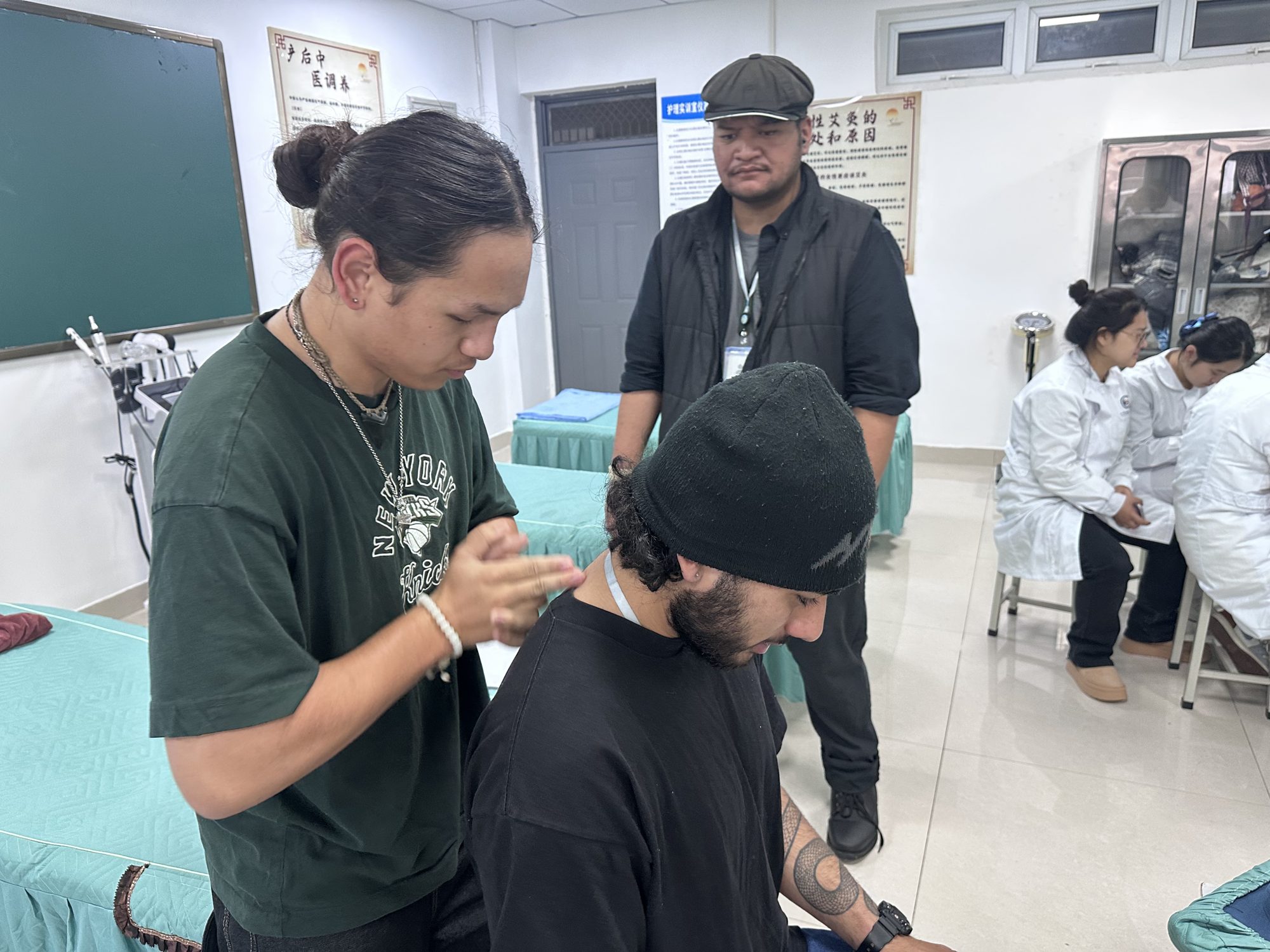
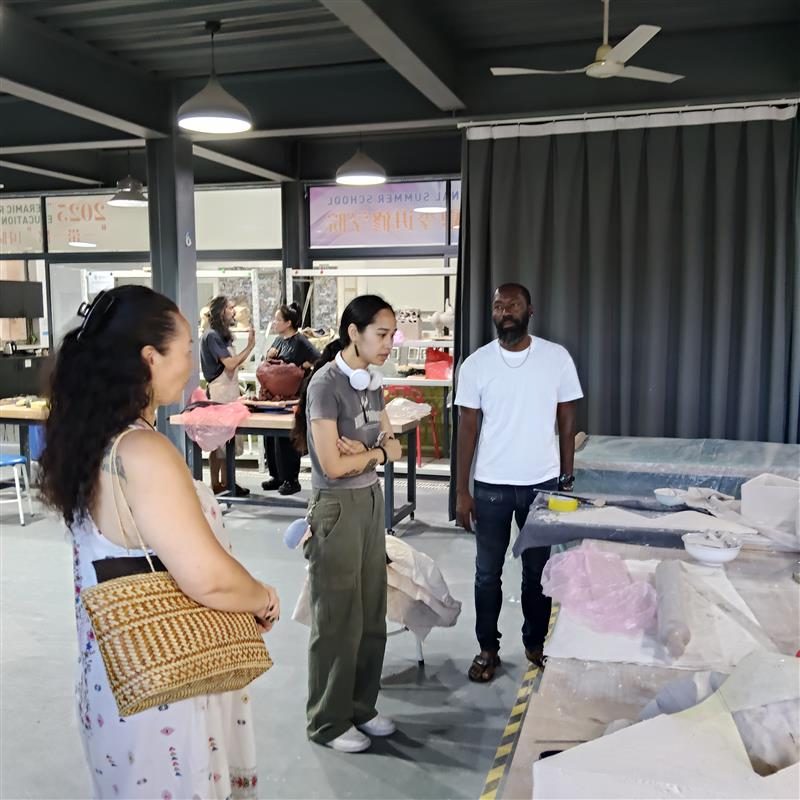
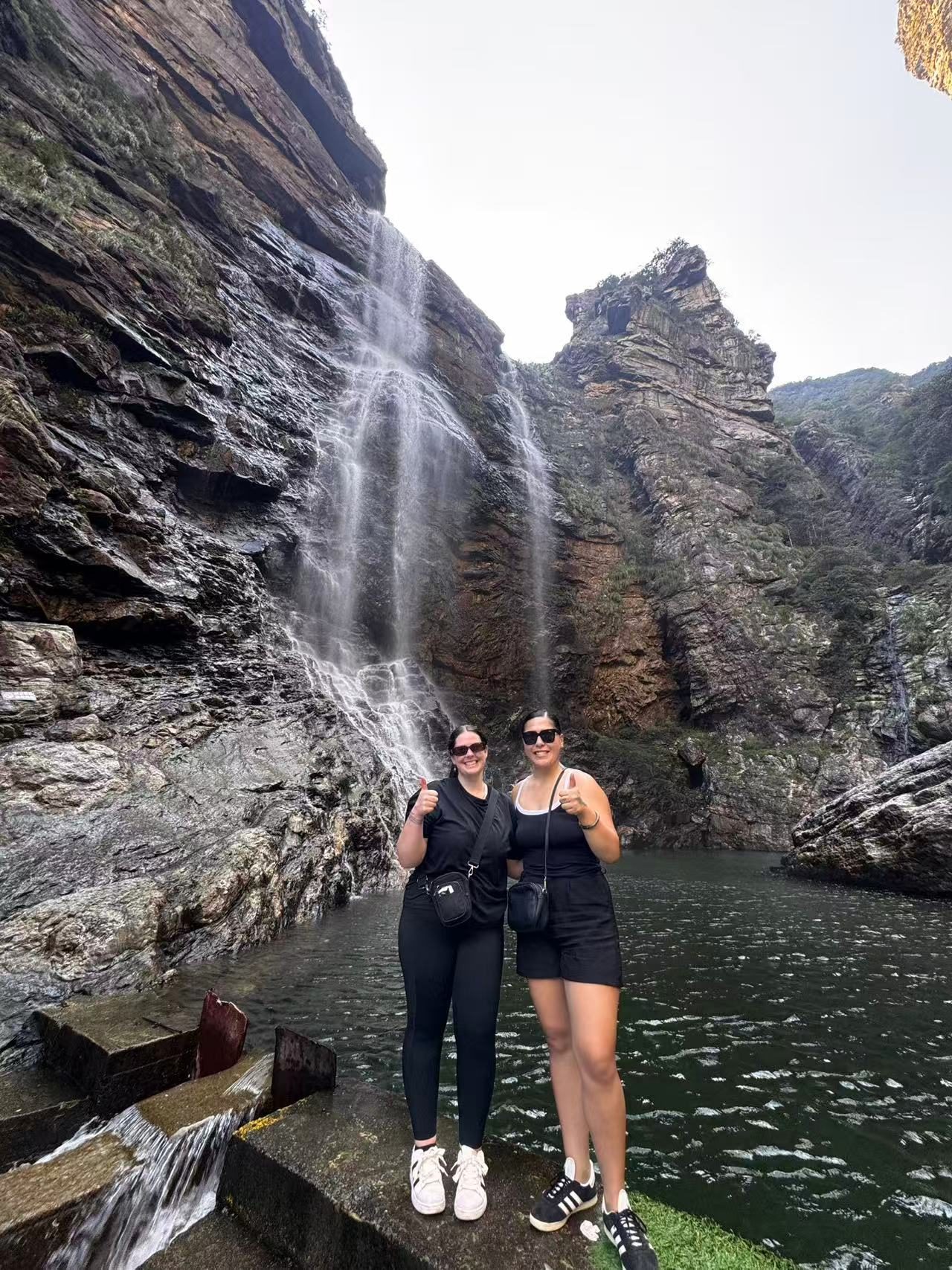
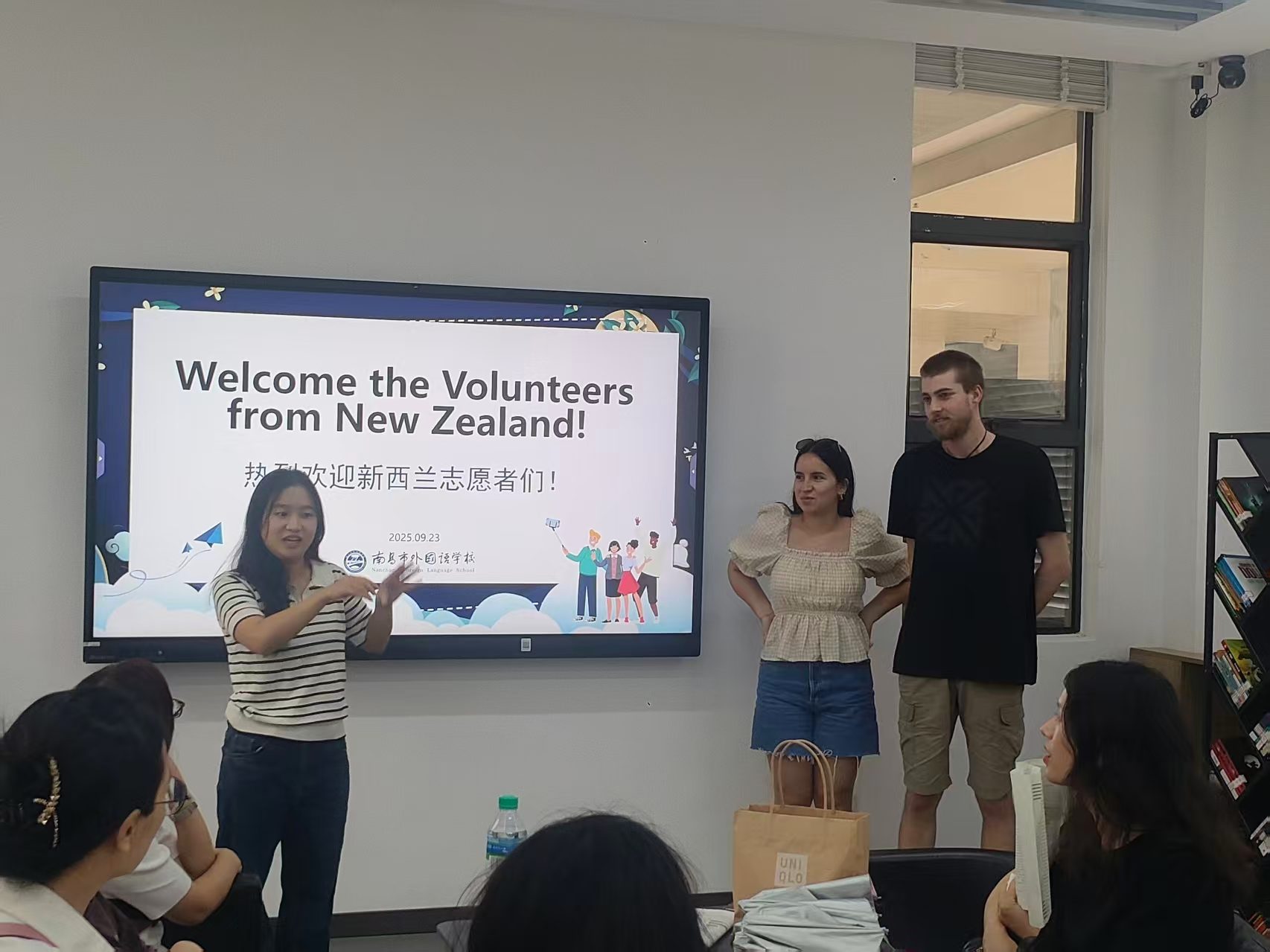
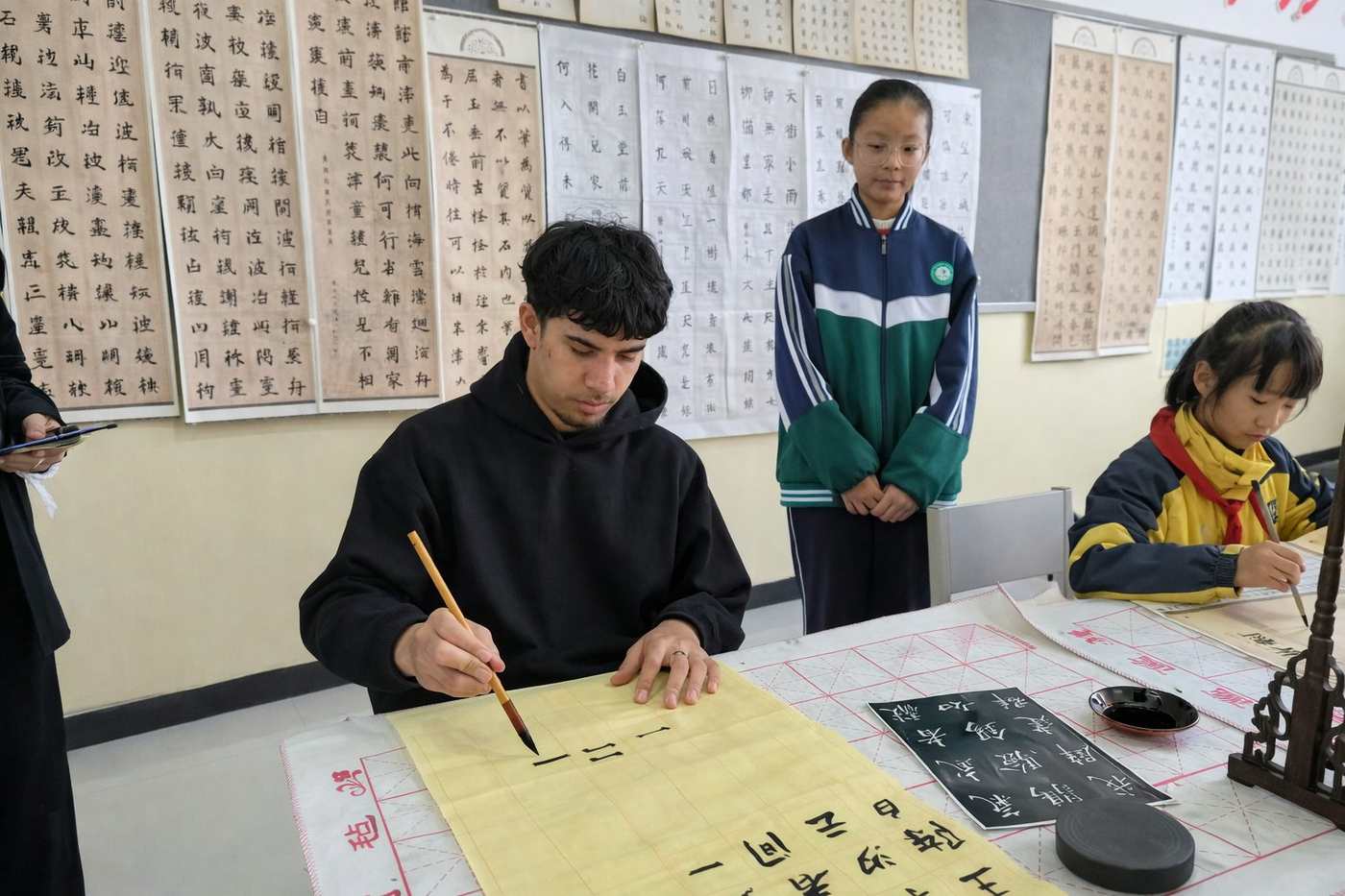
Classrooms, kapa haka, weekend trips and new friends. Here’s what a term in China looks like for our volunteers.






Safety and support
Parents ask about this first, and so they should. Here’s how we look after volunteers.
On campus
A support teacher
Every host institution gives you a support teacher. They’re your first point of contact for anything, big or small.
In China
Our team and past volunteers
Beijing New Bridge coordinates host institutions in China. Simon Appleton leads pastoral care, with returning volunteers as leaders.
Insurance
Taiping Insurance
Travel insurance is arranged and paid for by the programme. Policy details are provided once you’re accepted.
Before you go
180 hours of preparation
Basic Chinese (HSK 1), TESOL certification and a China readiness workshop with Eastern Bridge Education, so you arrive ready.
Child safeguarding
Keeping students safe
- You’ll be working with minors, and safeguarding comes first.
- You’re never alone with a student, and you always assist a local teacher, who leads the class.
- Local staff stay responsible for supervision, assessment and discipline.
- Photos of students need the host institution’s consent, and must never go on personal social media.
- Report any concern immediately to Simon Appleton, our safeguarding lead (simon@easternbridge.co.nz).
- Safeguarding is covered in your preparation training.
The programme is part of the Bay of Plenty–Jiangxi sister-province relationship. It is supported in New Zealand by the Ōpōtiki, Whakatāne, Kawerau and South Waikato District Councils, and in China by the Jiangxi Provincial Government and the Xinyu, Yingtan, Fuzhou, Jiujiang, Nanchang, Jingdezhen and Ganzhou city governments.
Dates
Two intakes in 2027. Dates may vary slightly once host institutions confirm their calendars.
Intake 1
14 March – 13 June 2027
Applications open 3 months before the start date.
Intake 2
15 September – 11 December 2027
Applications open 3 months before the start date.
Places are limited, so register early. Host institutions and cities are confirmed with each volunteer before departure.
Is it right for me?
Ten quick questions. Your answers stay on your device.
Questions people ask
Can’t see yours? Email us. We’re happy to help.
Does it cost anything?
No. The programme is free. Flights, visa support, insurance, accommodation (your own bedroom and bathroom) and training are covered, and Beijing New Bridge provides a living-allowance stipend of ¥400 (about NZ$90) a week, given fortnightly into your WeChat wallet. You only pay for your own travel to training sessions, which are held locally.
Are meals included?
Mostly. Host institutions provide meals through the canteen. The stipend covers the gaps, such as weekends and holidays when the canteen is closed.
How much training is there, and where?
180 hours in total, delivered by Eastern Bridge Education: basic Chinese (HSK 1), TESOL certification and a China readiness workshop. 80 hours are in person, with sessions in Ōpōtiki/Whakatāne and Napier, including an overnight wānanga at a marae (the programme pays the marae accommodation). You cover your own travel to sessions. Every session counts. If something comes up, talk to us early and we’ll help you catch up; missing training without agreement means we can’t send you.
Will I have materials to use?
Yes. You receive 24 ready-made 90-minute conversation and culture activities for senior high school and university classes, each with slides and notes. You use them alongside your support teacher, who leads the class.
How much time will I spend in class?
Up to 15 hours a week in classes and English corners on weekdays, and no more than 20 hours a week of programme activities in total, including campus events.
Do I need to speak Chinese, or have a teaching qualification?
No to both. Your 180 hours of preparation training with Eastern Bridge Education include basic Chinese to HSK 1 and TESOL certification.
How old do I need to be?
You need to be aged 20 to 30 on the departure date. You can apply before you turn 20, as long as you’ll be 20 when you leave.
I don’t live in one of the listed districts. Can I still apply?
Places are for people living in, or connected through iwi to, the supporting communities. If you’re elsewhere, ask your local council or iwi to contact Eastern Bridge so we can bring them in.
Who supports me while I’m there?
A support teacher at your host institution, Eastern Bridge staff in China, and returning volunteers in leadership roles.
What do I need to do about my health?
See your GP or a travel-health clinic 6–8 weeks before you leave. Your GP will advise on vaccinations and medicines. Tell us about any pre-existing conditions, in confidence. The handbook has more detail.
What if I get sick, or need to come home?
You’re covered by Taiping Insurance, and our team will help you get care. In a medical emergency we’ll work with you, your family and the insurer. If you leave early by your own choice for any other reason, you will need to pay the actual, reasonable costs this causes (a replacement flight and the cost of a replacement volunteer), invoiced with an itemised breakdown and a payment plan if needed. You won’t be charged if we end a placement for safety reasons or at a host institution’s request.
Can I choose where I go?
Host institutions and cities are confirmed before departure. Tell us your preference and we’ll try to place you there, but we can’t guarantee it.
Who runs the programme?
Eastern Bridge coordinates it as part of the Bay of Plenty–Jiangxi sister-province relationship, with the support of four district councils in New Zealand, and the Jiangxi Provincial Government and seven city governments in China.
Volunteer stories
In their own words. Shared with permission.
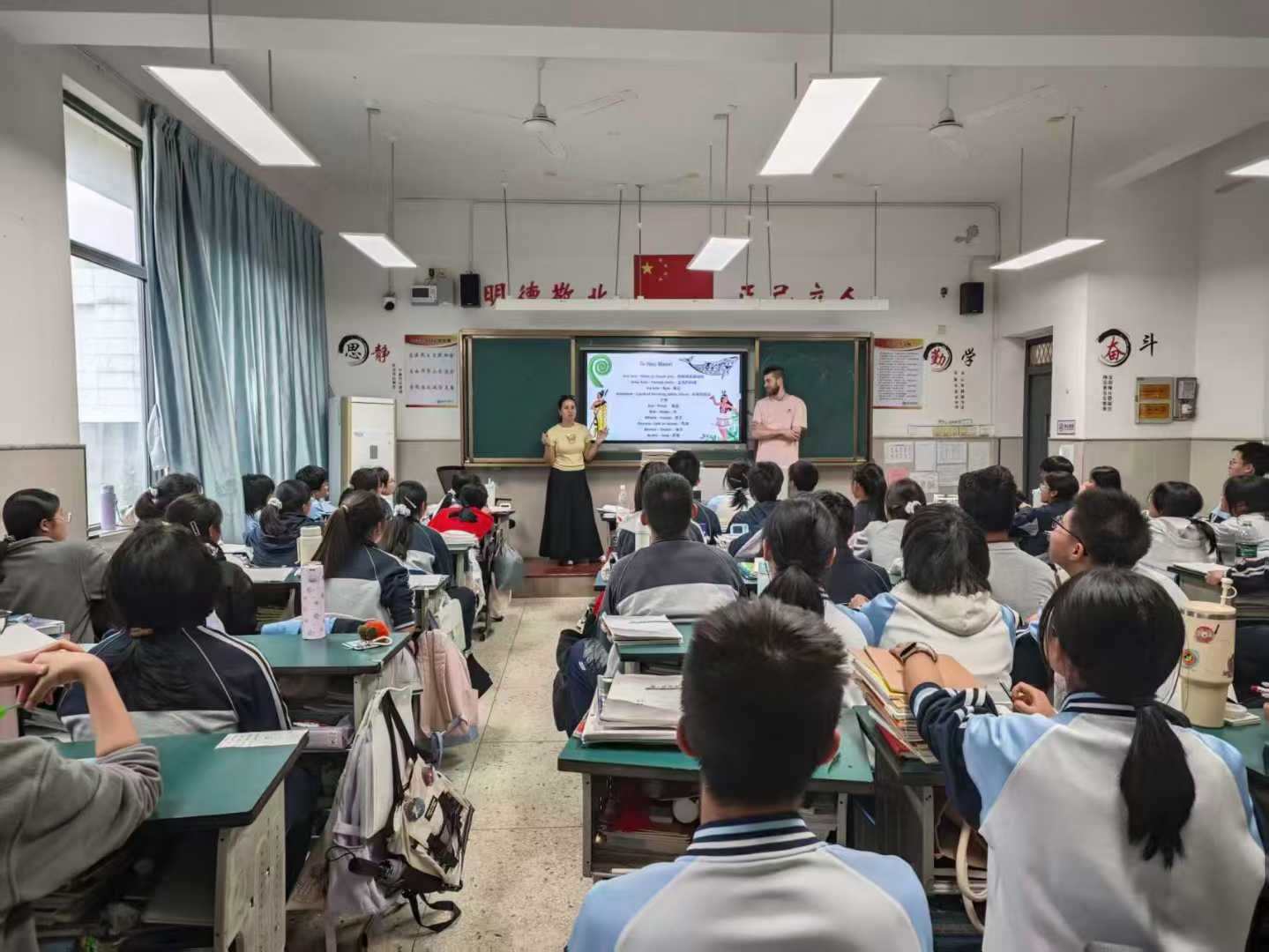
Lessons from the classroom in Nanchang
What a first term in the classroom taught one Kiwi volunteer about patience, planning and dumplings.
Finding confidence through culture: Tamati’s journey from Kawerau to China
Kapa haka in a Chinese school hall, and what it meant to share it.

How Sammy brought netball to her school in China
A netball, a borrowed court and a team that wouldn’t stop asking for more.

Running beyond expectations: the Xinyu Marathon
Volunteers, local teachers and a very early start.
For councils
Send young people from your district
The programme is part of our council work. Talk to us about places for your community.
For iwi and hapū
Send your rangatahi on a cultural exchange
Young people from your iwi or hapū can volunteer in China for a term, learning about Chinese culture and sharing their own. Talk to us about places for your rangatahi.
Downloads
Read these before you accept a place, and share them with your whānau.
Terms and conditions 2027
What we provide, what we expect, and what happens if plans change.
Safety, and who looks after you
For volunteers and their whānau: here’s who is responsible for what, before you go and while you’re in China.
| Who | What they look after |
|---|---|
| Your host institution | Host institutions are government public universities and high schools, all government-approved. Your host institution provides your accommodation (your own bedroom and bathroom), most meals, and a support teacher who is your first point of contact every day. |
| Eastern Bridge | Selection, preparation training with Eastern Bridge Education, pastoral care led by Simon Appleton, and keeping in touch with you and your whānau. |
| Beijing New Bridge | Eastern Bridge holds a 30% share in Beijing New Bridge, a separate company in China. Our Beijing New Bridge partners coordinate host institutions and arrangements in China, and provide your stipend. |
| Volunteer leaders | Experienced returning volunteers nearby, who’ve done it before. |
| Insurance | Travel insurance with Taiping Insurance, paid by the programme. |
- Emergency contacts: your participation handbook sets out the emergency contact details for your programme (see below). In China, dial 110 for police, 120 for an ambulance and 119 for fire.
- For whānau in New Zealand: contact us through the contact form (Simon checks email every day from China) or on WhatsApp +64 22 396 9590. Our office at 140 Dalton Street, Napier is staffed.
Emergency contacts and your participation handbook
Everyone who joins an Eastern Bridge programme, including the China Volunteer Programme and a school or high school exchange, receives a participation handbook. Your participation handbook is provided after you are approved, a few weeks before departure. The handbook sets out emergency contact details, and the processes and protocols to follow in situations that are unlikely but could happen.
Volunteers aged 18 and over receive these details themselves. We strongly advise sharing them with family, but as adults it is their choice whether to do so.
We also keep an emergency contact database for volunteers in China. It is based on the information each volunteer provides to us.
We do not publish a 24-hour emergency number on this website. Your handbook is the place to find the right contact for your programme.
Apply for 2027
Applications for each intake open 3 months before the start date. Fill in the application form and we’ll invite you to a short Zoom call. Please read the terms and conditions before you accept a place.